
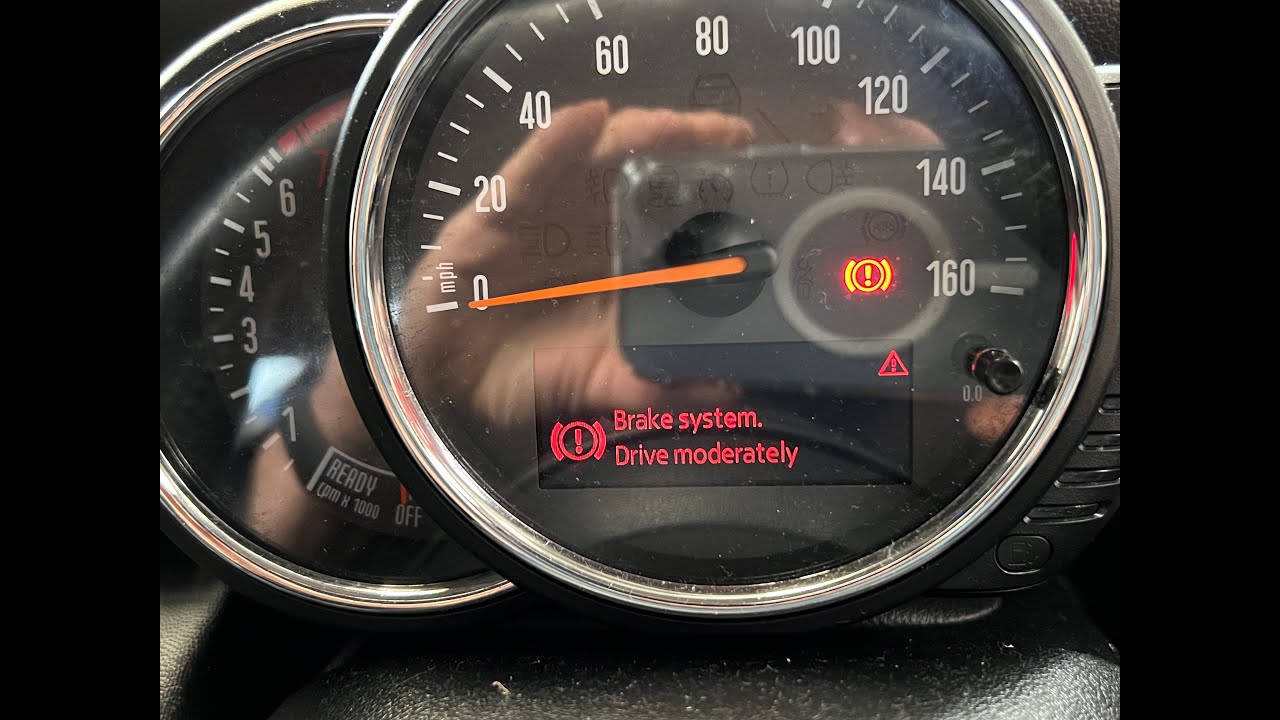
The BMW “Brake System Drive Moderately” warning typically means low brake fluid, faulty brake fluid level sensor, or a minor leak in the system—check fluid first, then sensor wiring, and inspect for leaks before panicking over expensive repairs.
Why is my BMW saying Brake System Drive Moderately?
The “Brake System Drive Moderately” message on your BMW dashboard signals an issue in the braking system that requires caution. It isn’t always an immediate stop-the-car emergency, but it does require your attention.
It often triggers due to low brake fluid levels detected by the iBrake system, a sensor glitch, or early wear indicators.
Dealerships frequently quote $1,500+ for full system bleeds or ABS module replacements. However, 80% of cases resolve with simple DIY checks I’ve done hundreds of times in the shop.
This warning appears on models like the E90 3-Series, F30, G20, X3, and X5 because BMW’s sensitive electronics prioritize safety alerts.
Ignoring it risks reduced braking power, especially under hard stops. Start diagnostics immediately to avoid towing fees or stranding yourself.
Common Triggers Across BMW Models
- • Brake fluid drops below minimum due to normal pad wear.
- • Corroded or faulty fluid level sensor in the reservoir.
- • Air in the lines from improper bleeding or minor leaks.
- • ABS or DSC module faults misread as brake issues.
Tools You’ll Need for DIY Diagnosis
| Tool | Purpose | Cost |
|---|---|---|
| OBD-II Scanner | Read specific fault codes like 5E20 or CD0487 | $20–$100 |
| Jack and stands | Inspect calipers and lines | $50 |
| Brake fluid (DOT4 LV) | Top off or flush | $15 |
| Multimeter | Test sensor continuity | $20 |
What does Brake System Drive Moderately mean on BMW?
This warning specifically instructs you to drive moderately, meaning avoid aggressive braking or high speeds until resolved. Braking assist may be compromised during this state.
It’s tied to BMW’s integrated brake system (IBS) on newer models, which uses electronics for power assistance. In real-world diagnostics, it almost always points to fluid-related issues.
Owners report it flashing intermittently after highway drives or in cold weather. This happens when fluid contracts or sensors get finicky.
Dealerships push for “dynamic stability control service,” but DIYers fix it cheaper by addressing root causes. Scan for codes like 107F00 (brake fluid low) to confirm.
Symptoms Accompanying the Warning
- Spongy brake pedal feel.
- ABS light on alongside the warning.
- Reduced stopping power in panic stops.
- Warning persists even after restarting the engine.
BMW Brake System Drive Moderately low brake fluid
The most common cause—low brake fluid—triggers this warning when levels drop below the sensor threshold. This often happens because worn pads push pistons out, drawing more fluid into the calipers.
On high-mileage E90s or F10s, expect this every 30,000–50,000 miles from OEM pad wear. Topping off fluid often clears the light temporarily, but you must diagnose why it’s low.
BMW specifies DOT4 LV fluid; using the wrong type causes IBS failures on G-series. Shops overquote $300 fluid changes, but you can do it yourself in under an hour.
Step-by-Step: Check and Top Off Brake Fluid
- Park on level ground, turn the engine off, and wait 10 minutes for pressure release.
- Open the hood and locate the reservoir near the firewall (clear plastic with a blue cap).
- Wipe the cap clean and unscrew slowly—fluid may spray if pressurized.
- Check the level; it should be between MIN/MAX marks. If low, use a funnel to add DOT4 LV slowly.
- Reinstall the cap, start the engine, pump brakes 10x, and recheck the level.
- Clear codes with a scanner and test drive gently.
Model-Specific Fluid Notes
- • F30/F32 (2012–2019): Reservoir is under a plastic cover; use Pentosin Super Dot 4.
- • G20 (2019+): IBS-equipped models need a pressure bleed tool for a full flush.
- • X3/X5 (F/G): These have a larger reservoir, but still use the same DOT4 LV spec.
BMW Brake System Drive Moderately sensor issues
A faulty or corroded brake fluid level sensor causes false warnings without actual low fluid. This is common on salted-road cars in the Midwest or Northeast.
The float-style sensor in the reservoir fails from gunk buildup or wiring shorts. I’ve replaced dozens where dealerships wanted $800 for sensor and module swaps.
Symptoms include a warning with full fluid visible. On E46 to F-chassis, sensor harnesses often chafe near the master cylinder.
Diagnose and Fix Sensor Faults
Visual Inspection Steps:
- Remove the reservoir cap and shine a flashlight inside to look for a stuck float.
- Gently clean with brake cleaner spray and a lint-free cloth.
- Inspect the wiring plug for corrosion and use dielectric grease after cleaning.
Electrical Testing:
- Unplug the sensor connector and set your multimeter to ohms.
- Probe the terminals; resistance should vary between 100–500 ohms when the float moves.
- If you see an open circuit, replace the sensor (BMW PN 34356786404).
Common Sensor Failures by Model
| Model | Failure Mode | DIY Fix Cost |
|---|---|---|
| E90 328i | Corroded pins | $10 grease |
| F10 5-Series | Float debris | $0 clean |
| G30 | Wiring short | $20 harness |
BMW Brake System Drive Moderately leak
Minor leaks from caliper seals, lines, or the master cylinder cause fluid loss and this warning. While less common, these are urgent issues that require immediate repair.
Rubber hoses crack on 10+ year models, weeping fluid slowly. Feel for wet spots under the wheels; UV dye in the fluid helps trace tough cases.
Dealerships quote full system replacement ($2,000+), but independents can often patch hoses for $200. Always pressure test lines before tearing everything apart.
Locate and Repair Leaks Step-by-Step
Inspection Routine:
- Jack up the car safely and support it with stands.
- Check steel lines for rust pinholes and flex hoses for cracks or bulges.
- Compress caliper pistons with a C-clamp—a fluid squirt means seal failure.
- Inspect the master cylinder boot for any drips.
Repair Methods:
- • Hose Replacement: $30 hose, bleed 2 corners (15 min/wheel).
- • Caliper Rebuild: $20 seal kit and a piston hone tool.
- • Full Bleed: Reverse bleed with a vacuum tool for an air-free system.
BMW Brake System Drive Moderately reset without fixing
Clearing the code without addressing the cause is tempting but risky. The warning will return in days if the fluid is low or a sensor is failing.
Use an OBD scanner to delete 5E20 faults after fixes. Battery disconnect works on older models but resets adaptations, which can cause stiff shifts.
For IBS models (G20+), a full reset needs INPA/ISTA software. Drive cycle recalibrations are required afterward.
Safe Reset Procedures
- Fix the root issue first.
- Scan and clear the codes.
- Drive 20+ miles in mixed conditions.
- Rescan to verify the system is clear.
FAQ
Can I drive with BMW Brake System Drive Moderately?
Yes, moderately as instructed—avoid hard braking. Test in a safe area; if the pedal sinks, tow it immediately.
Is the brake light on with Drive Moderately warning?
Often yes, plus ABS/DSC lights. Scan codes for the exact fault.
How much does BMW brake service cost at dealer?
Expect to pay $800–$2,500. DIY repairs are usually under $100.
Does cold weather trigger this on BMW?
Yes, fluid contracts in the cold, and sensor sensitivity increases.
Will new brake pads fix the warning?
If worn pads caused low fluid, yes—but only after a fluid top-off and bleed.
In summary, the “Brake System Drive Moderately” warning on your BMW is a call to action. Armed with these diagnostics, you can fix it yourself cheaper and faster than most shops.
Prioritize fluid checks, sensor cleans, and leak hunts. Most issues resolve without major parts. Drive safe and maintain proactively.
Leave a Reply