
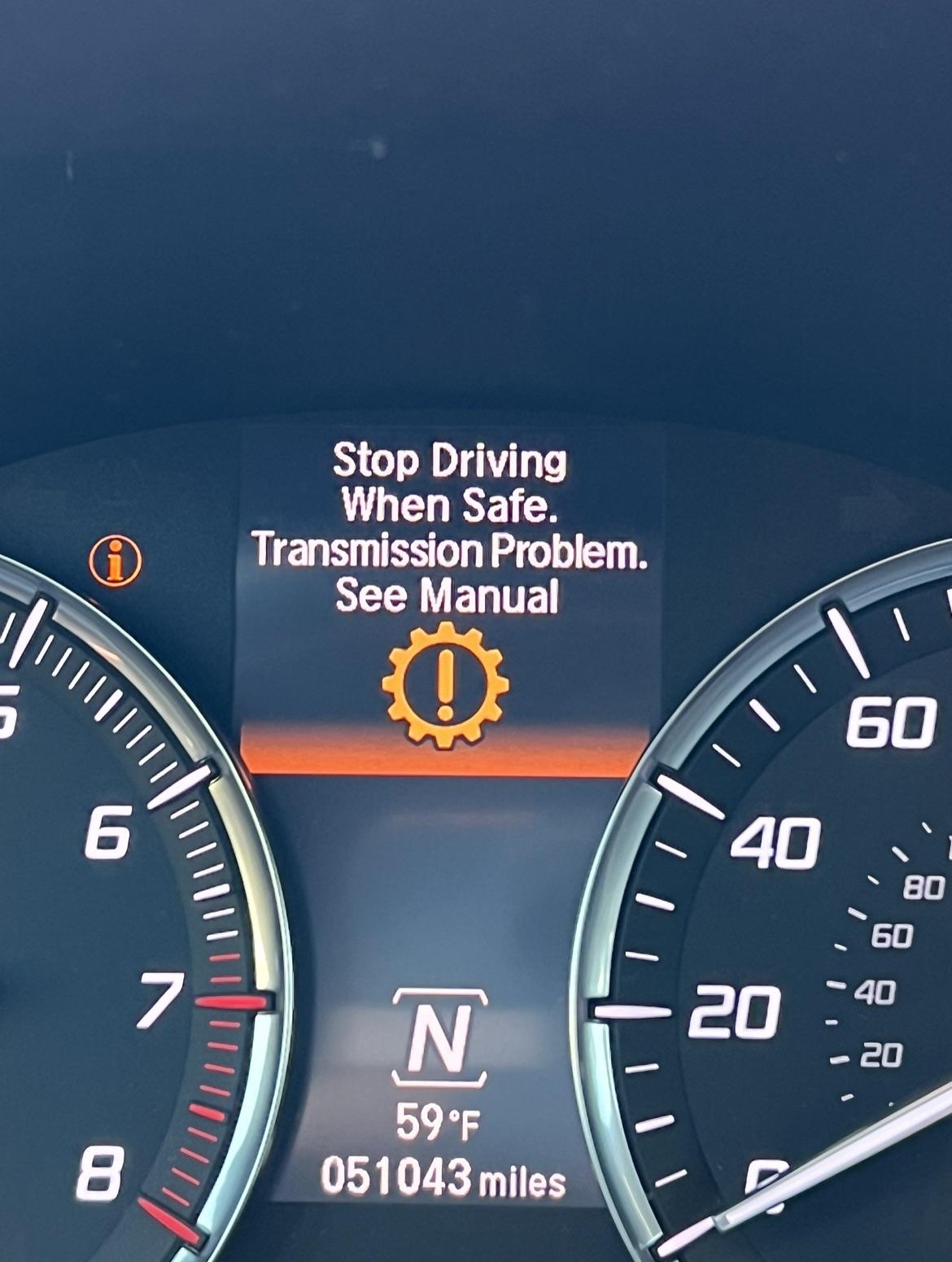
No, there is no official Acura MDX transmission recall. However, multiple model years (2007-2013, 2014-2020) suffer from well-documented torque converter shudder, harsh shifting, and early failure due to OEM design flaws. These issues in the ZF 6-speed and 9-speed automatics are often misdiagnosed by dealers as needing a full $5,000-$8,000 transmission replacement.
Why Acura MDX Owners Report Transmission Problems So Often
Owners frequently experience torque converter shudder between 25-50 mph, delayed or harsh shifts, and slipping that worsens with heat buildup. These issues stem from inherent weaknesses in the torque converter clutch and valve body solenoids, not isolated defects warranting a recall.
Dealerships often push full rebuilds as the only solution. However, many independent mechanics confirm it is a common wear pattern fixable for under $1,500.
In real-world diagnostics, symptoms mimic low fluid but persist after flushes due to contaminated ATF and degraded friction materials. Heat from aggressive driving or towing accelerates failure, typically hitting between 80,000 and 120,000 miles.
Online forums overflow with owners avoiding high dealer quotes by tackling root causes themselves. Understanding these common failure points is the first step to saving thousands in repairs.
Most Common Symptoms by Model Year
- ➤ 2007-2013 (ZF 6HP): Shudder on lockup, 3-4 shift clunk, and torque converter whine.
- ➤ 2014-2020 (9-speed): Delayed engagement, slipping in higher gears, and parking pawl issues.
- ➤ 2022+ (10-speed): Rare but emerging reports of software-induced harsh downshifts.
How Dealerships Misdiagnose MDX Transmissions
Dealers often run a quick scan, blame “internal failure,” and quote $7,000+ for a remanufactured unit without pressure testing the torque converter. They may overlook free TSB fluid flushes, pushing you toward warranty extensions that rarely cover out-of-pocket costs.
Independent shops often use a full hydraulic diagnostic to pinpoint specific solenoid codes like P0741. This allows for targeted repairs without a complete transmission teardown.
Acura MDX Transmission Problems by Model Year: Full Breakdown
The 2007-2013 first-gen MDX uses the ZF 6-speed with notorious torque converter shudder, often fixed via software updates or drain-and-fills. Second-gen 2014-2020 9-speeds suffer from valve body wear and mechatronics failure.
While newer models have fewer issues, they still experience software-related glitches. No year escapes entirely, but mileage and maintenance history dictate the severity of the problems.
2007-2013 MDX: Torque Converter Shudder Epidemic
This era’s ZF 6HP fails when clutch material sheds into the fluid, causing a distinct shudder at 35-45 mph. Owners report this starting around 90,000 miles, which can worsen to no-drive conditions if ignored.
TSB 11-038 details a specific fluid flush protocol. While this delays the problem, it often does not provide a permanent cure for the underlying hardware degradation.
- Check for shudder during steady cruise—it often feels like driving over rumble strips.
- Scan for P0741/P2769 codes which indicate torque converter slip issues.
- Inspect ATF color: black and burnt fluid is a sign of internal contamination.
2014-2020 MDX: 9-Speed Valve Body Nightmares
The 9-speed introduces shift flares and parking issues resulting from solenoid pack failure. Heat-soaked valve bodies can warp, causing erratic shifts that are common by 70,000 miles.
Honda and Acura have issued software flashes to address these concerns. However, in many cases, the hardware itself eventually requires replacement to restore smooth operation.
| Symptom | Mileage Onset | TSB Reference |
|---|---|---|
| Harsh 1-2 shift | 60k-80k | 20-010 |
| Torque slip | 90k+ | 19-062 |
| No park | 100k+ | 21-015 |
2021+ MDX: Emerging 10-Speed Concerns
The ZF 10-speeds are generally more robust but have shown some downshift hunting from TCM calibration. Early reports at 50,000 miles sometimes involve fluid aeration from overfilled pans.
How to Diagnose Acura MDX Transmission Issues at Home
Start with a visual ATF check and an OBD-II scan—no lift is needed initially. Measuring line pressure with a $50 gauge kit can provide true slip confirmation.
This approach beats dealer “smoke-and-mirrors” diagnostics. It can save you thousands on misquoted repairs by identifying the exact point of failure.
Step-by-Step Home Diagnostic Checklist
- Fluid Inspection: Park on level ground with the engine running in Park. Pull the dipstick; healthy ATF is pink/red, while dark brown means it needs an immediate change.
- OBD Scan: Use a Bluetooth reader and an app like Torque Pro. Look for P0700 series codes and check if TCC slip is greater than 10% at 40 mph.
- Road Test: Accelerate gently to 40 mph and hold the throttle. A shudder confirms torque converter issues; also note any RPM flares during shifts.
- Pressure Test: Tap into the line port under the hood with a gauge. Idle should be 55-65 psi, while stall should be 180-220 psi; low readings indicate pump or clutch wear.
- Stall Speed Check: With your foot on the brake, floor the accelerator briefly. It should not exceed 2,200 RPM or produce a burnt smell.
Tools You’ll Need (Under $100 Total)
- OBD-II scanner with live data capabilities.
- ATF dipstick magnet to check for metallic debris.
- Transmission pressure gauge kit.
- Infrared thermometer (converter housing should not exceed 200°F).
DIY Fixes for Acura MDX Transmission Shudder and Slip
Most issues resolve with aggressive fluid service and additives before hardware fails completely. Torque converter shudder often vanishes after a multi-flush procedure, and valve body solenoids may just need cleaning.
A full rebuild is only necessary if pressures are significantly low. DIY partial jobs, including solenoid replacement, typically run around $800.
Triple Flush Method for Torque Converter Contamination
This OEM-recommended process replaces over 15 quarts of fluid to clear out debris. Perform this every 30,000 miles preventatively to achieve up to 80% symptom relief.
- Drain 3-4 quarts of hot ATF via the pan bolt.
- Refill with Acura ATF-DW1 (total capacity is roughly 5 quarts).
- Drive 20 miles on the highway, then repeat the process 3 times.
- Add 2oz of Lubegard Red per flush for enhanced clutch protection.
Valve Body and Solenoid Cleaning (2014+)
You can drop the valve body by removing 6 bolts, which takes about 2 hours. Soak the solenoids in brake cleaner and reinstall them with an updated filter.
- Always disconnect the battery first to reset the TCM.
- Torque bolts to 8 ft-lbs and use a new $20 gasket.
- Reflash the TCM via an HDS tool if codes persist (this may require a dealer).
When to Replace the Torque Converter
If shudder remains after a flush and slip is over 15%, you may need to swap the TCU. This requires dropping the transmission—ensure you support the engine and align the flexplate properly to avoid imbalance.
Acura MDX Transmission Fluid Change: Do It Right
Use only genuine DW-1 ATF, as universal fluids can cause slipping. The capacity is 7.6 quarts for a drain and refill, while a full flush requires 13 or more quarts.
Change the fluid every 30,000 miles or at the first sign of shudder. This ignores the 60,000-mile manual interval which many experts find too long for these units.
Complete Drain, Filter, and Fill Procedure
- Warm the engine to 95°F and park on a level surface.
- Drain the pan and remove the 13 bolts for the pan and filter.
- Clean the magnet and install a new gasket and filter, torquing bolts to 9 ft-lbs.
- Fill via the side plug until it overflows, run through the gears, and recheck.
TSBs and Warranty Extensions for MDX Transmissions
Acura covers some issues via TSBs like 20-010 and has extended warranties to 7yr/100k on torque converters for 2014-2016 models. While there is no recall, you can often get goodwill repairs if you have documented maintenance.
Owners have reported success by citing NHTSA complaints to their service advisors. Filing a complaint yourself can provide extra leverage during negotiations.
Cost Comparison: DIY vs Shop vs Dealer Fixes
| Fix Type | DIY Cost | Indy Shop | Dealer |
|---|---|---|---|
| Fluid Flush | $150 | $400 | $600 |
| Valve Body Clean | $200 | $800 | $1,500 |
| TCU Replace | $800 | $1,800 | $3,000 |
| Full Rebuild | N/A | $3,500 | $8,000 |
Preventing Acura MDX Transmission Failure Long-Term
Installing a deeper transmission pan adds 2 quarts of cooling capacity. An auxiliary cooler is also highly recommended if you plan on towing.
Shift gently and avoid aggressive starts to extend the life of the unit past 200,000 miles. Annual pressure tests can help catch emerging issues before they become catastrophic.
FAQ
Does the 2023 Acura MDX have transmission problems?
Early data shows minimal issues, but it is wise to monitor for TCM updates. Fluid changes every 25,000 miles can prevent the woes seen in prior years.
Can I drive my MDX with transmission shudder?
You can for short distances, but it worsens fluid contamination. You should flush the system immediately to avoid being stranded.
Is Honda ATF okay in Acura MDX?
No, you must use DW-1 spec only. Standard Honda ATF can cause slipping in ZF units; stick to OEM or licensed equivalents.
What if my MDX won’t shift after fluid change?
This is often due to air pockets or wrong fluid. Cycle through the gears 10 times and reset the TCM by disconnecting the battery for 30 minutes.
Are aftermarket torque converters reliable?
Yes, units from BCA or Alto with billet covers often last longer than OEM. Pairing these with heavy-duty clutches can save you significant money.
Conclusion: Acura MDX transmission woes are fixable with proactive maintenance and DIY diagnostics. Don’t let dealer fear-mongering drain your wallet. Regular flushes, pressure checks, and TSB awareness keep your SUV shifting smoothly past 150k miles. Tackle symptoms early, own the repair process, and drive confidently.
Leave a Reply