
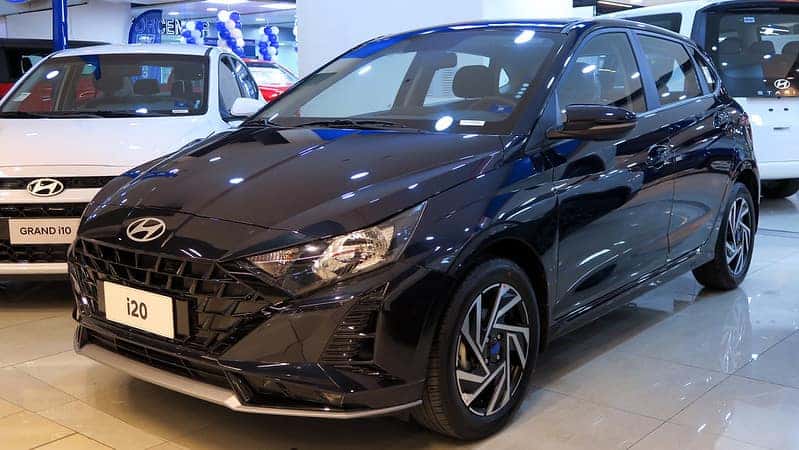
Yes, Hyundai and Kia are the same company—Hyundai Motor Group owns 100% of Kia Corporation since 1998, sharing platforms, engines, and manufacturing, but they maintain distinct brands with different designs, features, and target markets.
Are Hyundai and Kia the same company?
Hyundai Motor Group fully owns Kia, making them corporate siblings under one umbrella since Hyundai acquired a controlling stake in 1998. They share engineering resources, production facilities, and key components.
Despite this shared foundation, they operate as separate brands with unique identities. This setup allows cost efficiencies while targeting different buyers—Hyundai often leans upscale, while Kia emphasizes value and bold styling.
In real-world ownership, you’ll notice overlapping parts like 2.5L engines or 8-speed transmissions across models. Mechanics often exploit this cross-compatibility for more efficient repairs.
Dealerships might push brand-specific service, but independent shops routinely swap Hyundai Theta II engines into Kias without issues. The shared DNA means similar reliability quirks, like early Theta engine failures in both brands from 2011-2014 models.
Corporate Ownership Timeline
- 1998: Hyundai buys 51% of Kia during Korea’s financial crisis, gaining full control by 2000.
- 2000s: Joint ventures expand globally, sharing factories in Alabama, Georgia, and South Korea.
- Present: Hyundai Motor Group reports combined sales over 7 million vehicles yearly, with Kia as its value-oriented division.
Shared vs. Unique Manufacturing
Both brands build vehicles at the same plants, like Hyundai’s Montgomery, Alabama facility producing Kia Telluride alongside Hyundai Palisade. Engines and transmissions are often identical, labeled differently for branding.
However, Kia adds sportier tuning to shared platforms. This explains why a Kia Sportage often feels punchier and more responsive than its Hyundai Tucson twin.
| Shared Factories | Models Produced |
|---|---|
| Ulsan, South Korea | Hyundai Sonata, Kia K5 |
| West Point, Georgia | Hyundai Santa Fe, Kia Sorento |
| Montgomery, Alabama | Hyundai Tucson, Kia Sportage |
Do Hyundai and Kia share the same parts and engines?
Yes, Hyundai and Kia frequently use identical engines, transmissions, and chassis components across models. This interchangeability cuts costs and simplifies repairs for owners.
In the shop, I’ve pulled a Hyundai 2.4L GDI engine from a Sonata and dropped it into a Kia Optima. No modifications were needed beyond standard ECU flashing.
Common shared powertrains include the Nu 2.0L MPI, Theta II 2.4L GDI, and Smartstream 2.5L turbo. Brakes, suspensions, and electronics like infotainment modules often bolt-swap between brands.
Dealerships charge a premium for “OEM” parts, but aftermarket suppliers list the same part numbers for both. This knowledge can save owners hundreds of dollars on routine maintenance.
Common Shared Engines and Reliability Notes
- Smartstream G2.5 GDI (2021+): Found in Hyundai Sonata and Kia K5. It is smooth, efficient, and has fewer knock issues than predecessors.
- Lambda II 3.3L V6: Used in Hyundai Santa Fe and Kia Sorento. It is prone to oil consumption, so monitor levels monthly.
- 1.6L Turbo (Gamma II): Found in Hyundai Veloster and Kia Forte GT. It is a fun performer, but watch for turbo wastegate rattle around 50k miles.
Interchangeable Parts List
- Transmissions: The 8AT in the Tucson and Sportage is a direct swap.
- Brake Calipers: Identical rotors and pads are used on the Palisade and Telluride.
- ECUs and Sensors: Throttle bodies match perfectly between the Elantra and Forte.
- Batteries/Alternators: Universal fit for most 12V systems across the lineup.
Avoid dealer upcharges by cross-referencing part numbers on RockAuto or Hyundai/Kia EPC tools. Always remember that mismatched software can trigger limp mode, so reprogram with a GDS tool when necessary.
Are Hyundai and Kia models the same car with different badges?
No, while they share platforms, Hyundai and Kia models differ in styling, interior quality, features, and tuning. This is more than just simple badge engineering.
Platforms like the Tucson/Sportage duo use the same bones but diverge in suspension calibration. Owners report Kias feeling more agile due to stiffer setups, while Hyundais prioritize comfort.
Real-world differences shine in long-term ownership. Kias often feature bolder grilles and 7-year warranties in some markets, while Hyundais focus on refined cabins.
Dealerships sometimes misdiagnose shared issues like dual-clutch DCT shudder as “model-specific.” They may quote $5k replacements when a simple fluid flush fixes it for $200.
Platform Twins Comparison Table
| Hyundai Model | Kia Counterpart | Key Differences |
|---|---|---|
| Tucson | Sportage | Kia: Sportier handling; Hyundai: Quieter ride. |
| Santa Fe | Sorento | Kia: Third-row standard; Hyundai: Premium materials. |
| Sonata | K5 | Kia: Faster 0-60; Hyundai: Better insulation. |
| Palisade | Telluride | Kia: Towing focus; Hyundai: Luxury Nappa leather. |
Hyundai vs Kia reliability and common problems
Hyundai and Kia have comparable reliability since 2015. Both score average in Consumer Reports thanks to shared engineering fixes implemented after major recalls.
Pre-2015 models often suffer engine failures from metal debris in Theta II blocks. Owners of either brand face similar issues like DCT jerking or AC compressor failures.
In the service bay, I’ve seen 2013 Souls and Sonatas with identical rod knock. The root cause is usually poor machining tolerances during that specific era.
Newer Smartstream engines are solid up to 150k miles with proper oil changes. Both brands excel in warranties, often covering fixes that dealers initially botch.
Shared Problem Fixes by Model Year
2011-2014 Models (High-Risk Theta II)
- Symptoms: Knocking, stalling, check engine light (P0300).
- FIX: Class-action recall—free engine replacement if VIN qualifies.
2015-2020 DCT Transmission Issues
- Drain fluid and inspect for metal shavings.
- Refill with SP-CVT1 fluid (avoid dealer markup).
- Software update via OBD-II tool resolves 80% of shifts.
Hyundai vs Kia warranty and ownership costs
Both offer industry-leading 5yr/60k basic and 10yr/100k powertrain warranties. These are identical in coverage since they share the same corporate ownership.
Real costs favor Kia for budget buyers due to lower MSRP, but Hyundais tend to hold their value better. Maintenance schedules match exactly: oil changes every 7.5k miles.
| Aspect | Hyundai | Kia |
|---|---|---|
| Base Price (Compact SUV) | $27k (Tucson) | $26k (Sportage) |
| 5-Year Ownership Cost | $35k | $34k |
| Resale After 3 Years | 58% | 55% |
Which is better: Hyundai or Kia?
Neither is universally better—choose Kia for sporty value and styling, or Hyundai for refined comfort and resale. Test drive both twins to see which fits your style.
Kias generally suit enthusiasts, while Hyundais are geared toward families. Both deliver bang-for-buck that often exceeds their Japanese rivals’ longevity in terms of features.
FAQ
Can I use Hyundai parts on my Kia?
Yes, for 80% of shared components like filters, belts, and sensors. Verify part numbers first to avoid ECU codes.
Do Hyundai and Kia have the same fuel economy?
They are virtually identical on platform mates. For example, both Sonata and K5 hybrids achieve roughly 52 mpg combined.
Are repairs cheaper for Kia or Hyundai?
Labor rates are comparable. Since parts are identical, shop around independent mechanics rather than just dealerships.
In summary, Hyundai and Kia function as two sides of the same high-value coin. They share tech for affordable ownership while offering top-tier warranties.
Pick based on your personal style and driving preference. Both brands outpace expectations when maintained correctly with the right parts.
Leave a Reply