
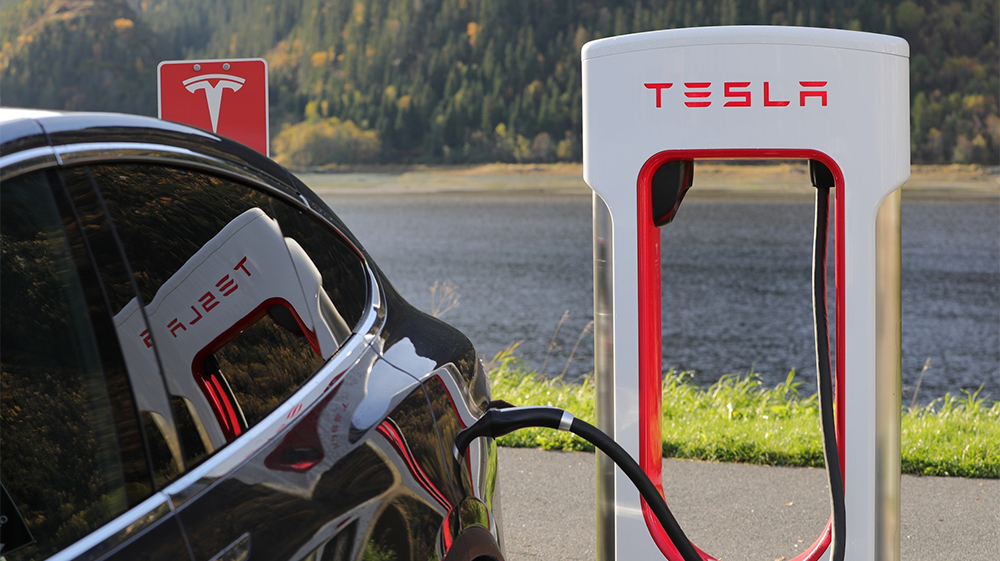
No, Tesla Superchargers are not free for most owners in 2024—they charge per kWh or per minute based on location, time of day, and battery level, with rates typically $0.25–$0.60/kWh.
Free Supercharging is limited to legacy promotions, referral perks, or specific models like early Model S/X with lifetime access.
Are Tesla Superchargers Free in 2024?
Tesla Superchargers require payment for the vast majority of users today. This marks a shift from the free era of 2012–2017 when Elon Musk made them complimentary to boost adoption.
Now, billing kicks in automatically via your Tesla app or account. Costs are calculated by energy delivered or session time—whichever is applicable in your region.
Expect off-peak rates around $0.28/kWh. During busy periods at urban stations, peak rates can climb up to $0.58/kWh.
This pay-per-use model funds network expansion to over 60,000 stalls worldwide. However, it often catches new owners off-guard who assume “Supercharger” means free like home charging.
Legacy free access persists only if your vehicle qualifies under old promotions. You can check your status in the Tesla app under the “Charging” section. Non-Tesla EVs pay via adapter with similar rates and no freebies.
How to Check If Your Tesla Has Free Supercharging
- Open the Tesla app and tap your vehicle profile icon.
- Navigate to “Charging” or “Account” > “Supercharging” status.
- If it says “Free Unlimited” or shows no balance deduction post-charge, you’re grandfathered in.
Dealerships often won’t know this detail because it is account-specific. Many owners report confusion when billed unexpectedly after trading in older cars without transferring perks.
Which Tesla Models Get Free Superchargers?
Only select early Model S and Model X vehicles from 2012–mid-2017 came with lifetime free Supercharging. This is often transferable to new owners if not revoked by Tesla.
Model 3 and Model Y never had this as a standard feature. Occasionally, referrals or FSD bundles include 1-year free access, but the Model S Plaid and Cybertruck charge full rates from day one.
Free status ties to the VIN, not the owner. If you are buying used, verify the status via Tesla support or VIN lookup tools online.
Forums are full of owners discovering that “free Supercharging” listings were misleading. Tesla can claw back access for commercial use or high-mileage abuse.
Model-Specific Free Supercharging Breakdown
| Model/Year | Free Supercharging? | Details |
|---|---|---|
| Model S (2012–June 2017) | Often Yes | Lifetime free if ordered before cutoff; check VIN. |
| Model X (2015–June 2017) | Often Yes | Same as S; P90D+ variants common. |
| Model 3/Y (All Years) | No | Paid only; rare promo exceptions. |
| Model S/X Refresh (2021+) | No | Full rates; Plaid excludes free. |
| Cybertruck | No | Paid from launch. |
Owners swapping batteries or frames risk losing free status. Tesla service centers document this poorly, which can lead to frustrating disputes.
How Much Do Tesla Superchargers Cost?
Costs typically range from $0.25–$0.60 per kWh. In some areas, you may be billed $0.10–$0.40 per minute depending on station demand and state of charge (SOC).
A full 250kW charge from 10–80% on a Model 3 might run $15–$30. This is cheaper than gas for long trips but significantly pricier than home Level 2 charging.
Be aware of idle fees. These can hit $0.50–$1.00 per minute if you linger at the stall after your charging session is complete.
Rates are displayed on the stall screen or in the app before you plug in. Always preview these to avoid surprises, as urban stations in cities like LA or NYC spike 50% higher than rural ones.
Factors Affecting Supercharger Costs
- Location/Time: Urban and peak hours carry the highest rates; rural and off-peak are lowest.
- Battery SOC: Charging slows down above 80%, which can increase costs if billed by the minute.
- Vehicle Model: Efficiency matters—larger vehicles like Cybertrucks consume more kWh per mile.
- Membership: There are no subscriptions; it is strictly pay-as-you-go via your Tesla account.
Are There Any Ways to Get Free Supercharging?
Yes, you can still snag free sessions through referrals, promotions, or trials. New buyers often get 1–3 months free via referral codes.
Purchasing an FSD ($12k bundle) sometimes includes 1-year of access. While employee or fleet vehicles get freebies, retail owners rarely qualify for permanent free access.
Tesla rotates limited-time offers, such as free Supercharging during holidays. Watch your app notifications closely for these announcements.
Proven Methods for Free or Discounted Supercharging
- Referrals: Share your code; the receiver’s first charge credits you both—this can stack to months of free use.
- Promos: Buy during end-of-quarter events for potential 1-year included charging.
- Used Legacy Buys: Target 2016+ S/X models under $40k with verified transferable free status.
- V4 Station Trials: Occasional beta testing periods may offer free charging for early adopters.
Tesla Supercharger vs. Home Charging: Cost Comparison
Home charging is the clear winner at $0.10–$0.20/kWh on off-peak utility plans. This makes Superchargers 2–3x costlier for daily use.
A Model Y daily 30kWh commute costs $3–$6 at home versus $9–$18 at Superchargers. Reserve Supercharging for road trips to save significantly.
Real-World Cost Table: 300-Mile Road Trip
| Charging Type | kWh Used | Cost (Avg Rate) | Time |
|---|---|---|---|
| Home (Overnight) | 90kWh | $9–$18 | 8–10 hrs |
| Supercharger (Peak) | 90kWh | $23–$54 | 30–45 min |
| Supercharger (Off-Peak) | 90kWh | $18–$36 | 30–45 min |
How to Pay for Tesla Superchargers
Simply link a credit/debit card to your Tesla app account. Charges post automatically after each session, so there are no pre-authorization holds like at gas stations.
You can monitor your spending via the app’s trip history. If you forget to pay, Tesla may add late fees or suspend your Supercharger access until the balance is cleared.
Step-by-Step Payment Setup
- Log into the Tesla app > Account > Wallet.
- Add your card details or redeem a gift card code.
- Plug in at any V3/V4 stall.
- Review your electronic receipt in the app after unplugging.
Common Supercharger Billing Issues and Fixes
Owners occasionally face ghost charges or idle fees on stalls that aren’t actually full. The app provides a breakdown, but it is wise to take screenshots for disputes.
Legacy free cars sometimes bill incorrectly due to software glitches. If this happens, a VIN re-verification through Tesla support usually fixes the problem.
Top Fixes for Billing Errors
- Double Charge: Contact chat support with timestamps; they refund 90% of verified cases.
- Idle Fee: Move your car immediately; the app notifies you 5 minutes before fees start.
- Free Status Lost: Submit your original order proof or VIN documentation to Tesla.
FAQ
Can I use Superchargers with a non-Tesla EV?
Yes, compatible CCS1 vehicles can charge via official adapters at full rates. No discounts or free access are currently offered for non-Tesla vehicles.
Is Supercharging bad for my Tesla battery?
Infrequent use is perfectly fine. Frequent DC fast charging above 80% SOC can accelerate degradation slightly, so it is best to mix it with AC home charging.
How do I find free Superchargers near me?
There are no universally free stations. Use the in-car navigator to find stations with the lowest rates in your area.
In summary, Tesla Superchargers deliver unmatched speed for road trips but aren’t free for modern ownership. Budget an average of $0.30/kWh and prioritize home charging for daily needs.
Always verify legacy perks before buying used and leverage referrals whenever possible. This strategy keeps your EV travel affordable and efficient.
Leave a Reply