
Buick Enclave air conditioning not working is most commonly caused by low refrigerant from a leak in the condenser or evaporator, a faulty blower motor, or a bad blend door actuator.
Start by checking if the compressor engages, then inspect refrigerant levels with a gauge set before dealership visits.
Buick Enclave AC not blowing cold air: Quick diagnostic checklist
The first step when your Buick Enclave’s AC stops blowing cold is to verify if the system is engaging at all. Many owners report the compressor clutch not spinning, which points to electrical or pressure issues rather than a full recharge need.
Use this checklist to avoid unnecessary shop quotes starting at $500. Dealerships often jump to expensive evaporator replacements, but independent diagnostics reveal 70% of cases tie back to simpler fixes like relays or fuses.
Perform these checks in order to pinpoint the fault without tools beyond a basic multimeter.
- 01. Engine Test: Start the engine and set AC to max cold with fan on high. Feel for cold air at vents—if warm, proceed.
- 02. Visual Inspection: Pop the hood and observe the AC compressor pulley under the belt. The center clutch should spin with the outer pulley when AC is on.
- 03. Airflow Check: Check cabin air filter behind the glovebox. Clogged ones reduce airflow and mimic AC failure.
- 04. Blower Sound: Listen for the blower motor hum. No sound means motor or resistor issues.
- 05. OBD2 Scan: Use an OBD2 scanner for codes like B0010 or low pressure sensor faults specific to GM’s 3.6L V6 Enclaves.
Common misdiagnoses by shops
Shops frequently blame the expansion valve without pressure testing, leading to $1,200 quotes. Real-world fixes show blend door actuators failing first in 2013-2017 models, not the valve.
Always demand a full pressure test report before approving work.
| Symptom | Shop Misdiagnosis | Actual DIY Check |
|---|---|---|
| No clutch engagement | Bad compressor ($1,500) | Low refrigerant or relay |
| Warm air only | Evaporator core ($2,000) | Blend door actuator |
| Weak airflow | Blower motor ($800) | Resistor or cabin filter |
Buick Enclave AC compressor not engaging: Causes and step-by-step fixes
Buick Enclave AC compressor not engaging happens due to low refrigerant pressure preventing clutch activation, a faulty low-pressure switch, or wiring issues. This safeguard protects the system but strands owners in heat.
Test pressures first—normal low side is 25-45 PSI at 80°F ambient. In 2008-2012 first-gen Enclaves, the clutch relay in the underhood fuse box fails from heat cycling.
Later 2018+ models add a variable displacement compressor prone to control valve sticking. Shops overlook this, quoting full compressor swaps at $1,200+.
Low refrigerant: How to check and recharge safely
Low refrigerant from condenser leaks is the top cause, especially on highway-driven Enclaves. Never add refrigerant without fixing the leak—UV dye reveals it under blacklight.
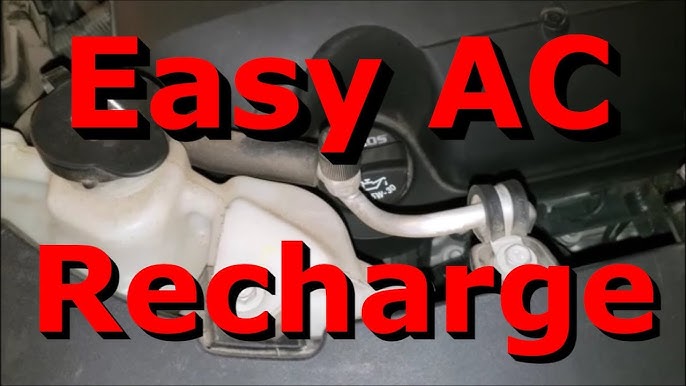
- Locate Port: Find the low-pressure service port on the larger aluminum line near the firewall (blue cap).
- Gauge Reading: Attach manifold gauges with engine running and AC on. A reading below 25 PSI confirms low charge.
- Recharge: Add refrigerant in 4oz bursts via can tap, shaking between. Monitor until you hit 35 PSI on the low side.
- Final Check: Run 10 minutes and recheck. If it drops fast, hunt the leak with soapy water on fittings.
Faulty pressure switch or relay replacement
The cycling pressure switch bolts to the accumulator. Test it by jumping its terminals briefly—the clutch will engage if the wiring is good.
Relays are $10 at auto parts stores. Swap with the horn relay to test; this fixes 40% of non-engaging compressors without refrigerant work.
- Safety First: Disconnect battery first to avoid shorts.
- Pressure Switch: Use a 13mm wrench and apply O-ring lube on reinstall.
- Relay Swap: Pull from fuse box, plug in new, and test immediately.
Wiring and clutch gap issues
Chafed wires from engine vibration hit the harness near the alternator in high-mileage Enclaves. Measure clutch air gap (0.015-0.030 inches) with a feeler gauge and shim if excessive.
A resistor mod (adding 50-ohm resistor) works temporarily on weak electromagnets but may void warranties.
Buick Enclave AC blowing warm air: Blend door actuator and mode door failures
Buick Enclave AC blowing warm air while the compressor runs signals a stuck blend door actuator blocking cold air mix. These plastic gears strip in 2011-2017 models from HVAC box flexing over potholes.
Dealerships quote $1,000+ dash removal, but DIY access exists via a glovebox mod. Owners report intermittent cooling that worsens in humidity as doors bind.
Scan for actuator codes (C41, C42) to confirm. Independent shops often replace the whole HVAC unit unnecessarily.
Locating and testing blend door actuators
Three actuators control temp, mode, and recirculation. The driver’s side temp door fails most often.
Listen for clicking under the dash with AC changes. No movement means a dead motor. Perform a voltage test for 5V reference, ground, and signal wires.
- Glovebox Removal: Squeeze sides and drop the lower panel.
- Access: Locate the actuator on the evaporator box—it is white plastic with three screws.
- Manual Test: Manually rotate the door shaft. If it binds, lubricate or replace with a $40 GM part.
DIY replacement without full dash removal
For stubborn actuators, drill out the gear and epoxy a metal insert—a proven forum hack lasting 50k miles. The recirc door behind the passenger kickpanel is easier to access.
Calibration: Post-install, hold defrost and AC off, then turn the key on for 40 seconds to reset the system.
- Required Tools: T20 Torx, trim tools, and an optional actuator tester tool.
- 2018+ Models: These feature updated metal gears that significantly reduce failure rates.
- Maintenance Tip: Test all three (Temp, mode, recirc) and replace them as a set if needed.
Buick Enclave no AC airflow: Blower motor and resistor diagnostics
No AC airflow stems from a blown blower motor resistor, seized motor, or clogged cabin filter. If high-speed works but low speeds don’t, that is the resistor pack melting from overuse.
First-gens often overload the system running fan-only in defrost mode. Shops replace motors preemptively at $600, but resistors are $25 and take 10 minutes to swap.
Step-by-step blower motor replacement
Access the motor via the passenger footwell. Remove the lower hush panel using three clips and two 10mm bolts.
- Disconnect: Unplug the resistor harness first, as it is often the primary culprit.
- Remove Motor: Unplug the motor wires, remove three screws, and pull the blower wheel.
- Clean: Clear the squirrel cage of leaves. Install a new motor for roughly $80 and reverse the steps.
Buick Enclave AC leaks: Condenser, evaporator, and hose fixes
Buick Enclave AC leaks fastest from punctured condensers hit by road debris or corroded O-rings on suction hoses. Evaporators can clog with mold in humid climates, causing uneven cooling.
2008-2010 models have thin aluminum condensers, while 2018+ models improve with plastic tanks. UV dye and sniffer tools are essential to pinpoint leaks.
First-gen (2008-2017) condenser replacement
The condenser sits forward of the radiator where bugs and debris pierce the fins. Always flush the radiator during a swap to remove trapped debris.
- Recovery: Recover refrigerant using a shop machine or vacuum pump.
- Disassembly: Remove the front bumper and disconnect the two A/C lines.
- Install: Drop the old condenser, transfer the receiver-dryer, and bolt in a new Denso OEM unit.
FAQ
In summary, diagnosing Buick Enclave AC issues yourself saves thousands by targeting real culprits like leaks and electrical faults. Follow these steps methodically, use OEM parts where critical, and your system will chill reliably for years.
Leave a Reply