
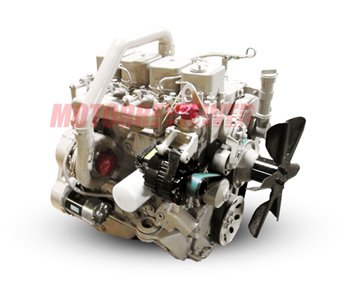
The Cummins 4BT is a 3.9L inline-4 turbodiesel engine producing 105-130 hp and 265-355 lb-ft of torque. It features a 92.0mm bore, 102.4mm stroke, and cast iron block/head, weighing around 750-800 lbs dry.
It features a direct injection system, Holset turbo, and Bosch VE or P7100 pump options. This setup is ideal for swaps into Jeeps, trucks, and various industrial applications.
What are the full Cummins 4BT engine specifications?
The Cummins 4BT, part of the B-Series family, delivers robust performance in a compact package. Owners swapping it into lighter vehicles love its low-end torque and reliability.
Knowing exact specs prevents mismatched applications during a build. Here is the detailed breakdown based on factory configurations.
Basic Dimensions and Weight
- • Bore x Stroke: 92.0 mm x 102.4 mm (3.62 in x 4.02 in)
- • Displacement: 3.9 liters (239 cubic inches)
- • Configuration: Inline 4-cylinder, 4-stroke diesel
- • Block/Head Material: Cast iron block and head
- • Dry Weight: Approximately 750-800 lbs (340-363 kg)
- • Dimensions: Roughly 32 in x 27 in x 38 in
This weight makes it a beast for front-engine swaps but requires reinforced mounts. In real-world diagnostics, I’ve seen frames crack from improper mounting.
Always calculate your chassis capacity before beginning the installation. Proper structural support is vital for long-term durability.
Performance Output
| Variant | Horsepower | Torque (lb-ft) | RPM Range |
|---|---|---|---|
| Industrial (early) | 105 hp @ 2600 | 265 @ 1600 | 1000-3000 |
| Automotive (4BT3.9-C) | 130 hp @ 2800 | 355 @ 1400 | 1000-3200 |
| Marine/High Output | 115-160 hp | 330 lb-ft | Varies |
These figures come from OEM plates, so always verify yours with the stamp on the block. Dealerships often overlook variant differences.
This can lead to quoting the wrong parts for specific swaps. Double-check your engine serial number for accuracy.
Fuel and Injection System
- • Fuel Type: Diesel, No. 2 preferred
- • Injection: Direct injection with Bosch VE or P7100 pump
- • Cold Starts: Equipped with glow plugs
- • Compression Ratio: 17.0:1 to 18.8:1
The VE pump is simpler for DIY tuning but tends to leak seals over time. This is a common failure I have fixed dozens of times in the shop.
Cummins 4BT firing order and valve lash specs
The firing order is 1-3-4-2. Intake valve lash should be set at 0.010 inches cold, while exhaust is 0.020 inches cold.
These specs ensure proper timing and prevent burnt valves. This is a frequent misdiagnosis at shops that incorrectly blame fuel issues.
Step-by-Step Firing Order Check
- Remove the valve cover and rotate the engine to TDC on the #1 cylinder.
- Confirm #1 intake and exhaust rockers are loose, then follow the 1-3-4-2 sequence.
- Use a test light on injectors to verify the electrical pulse if timing is suspect.
- Avoid the common error of rotating the engine in the wrong direction.
Valve lash adjustment requires feeler gauges and a torque wrench. You should torque the rockers to 21 ft-lbs.
I have seen engines run rough from lash being out by only 0.005 inches. Perform this maintenance every 30,000 miles.
Timing Gear Specs
- • Cam Gear Dots: Align with crank gear dot and idler gear.
- • Injection Timing: 15-17 degrees BTDC static.
Dealerships often skip static timing and jump straight to blaming the ECM. This is often pure laziness on these mechanical diesel engines.
Cummins 4BT oil capacity and type recommendations
Oil capacity is 8 quarts (7.6 liters) with a filter change. Use 15W-40 diesel-rated oil like Rotella T6 or Mobil Delvac.
Stick to CI-4 or higher specifications to avoid cam wear. Poor lubrication is a leading cause of premature engine failure.
Overfilling causes crankcase pressure issues and blown seals. I have diagnosed this many times in swapped engines where owners guessed the capacity.
DIY Oil Change Procedure
- Warm the engine and remove the 1-inch drain plug (torque to 30 ft-lbs).
- Replace the filter with a Baldwin B7156 or Fleetguard equivalent.
- Fill with 8 quarts and check the dipstick after running the engine for 2 minutes.
- Monitor the pan gasket for leaks, which is common on high-mileage blocks.
Independent shops often underfill to save on oil costs. This leads to accelerated wear, so change your oil every 5,000 miles during heavy use.
Common Cummins 4BT engine problems and fixes
Top issues include injection pump leaks, head gasket failures, and timing gear wear. Fixes range from simple seal kits to full rebuilds costing $2,000 to $5,000.
These problems usually stem from neglected maintenance in industrial applications. They are not inherent flaws in the engine design itself.
Problem 1: VE Pump Leakage
Seals harden over time, leaking fuel into the oil. Symptoms include white smoke and a distinct fuel smell in the crankcase.
- Confirm if the oil smells like diesel or the dipstick looks milky.
- Use a rebuild kit ($150) and torque banjo bolts to 18 ft-lbs.
- Consider upgrading to a P7100 pump if you plan on high boost.
Problem 2: Head Gasket Blowout
Overheating can warp the head, and high compression exacerbates the issue. Many shops torque these incorrectly or reuse old bolts.
- • Check: Compression test below 350 psi or coolant in the oil.
- • Fix: Install ARP studs and a high-quality Victor Reinz gasket.
Piston Slap and Rod Knock
| Symptom | Cause | DIY Fix Cost |
|---|---|---|
| Cold slap quiets warm | Normal wear | Ignore or thicker oil |
| Constant knock | Rod bearings | $300 (Bearings) |
Cummins 4BT swap specs for Jeeps and trucks
Adapter kits allow the 4BT to mate with the NV4500 or GM TH350. You will need custom motor mounts and a 12V or 24V electrical conversion.
Expect to achieve 20-25 mpg in a Jeep YJ Wrangler running 33-inch tires. This efficiency is a major draw for off-road enthusiasts.
Essential Swap Measurements
- • Bellhousing: SAE #3 pattern
- • Crank Flange: 6-bolt, 153-tooth flywheel
- • Exhaust: 3-inch downpipe is mandatory
- • Cooling: Minimum 3-row radiator with electric fans
Step-by-Step Jeep YJ Swap Guide
- Fabricate mounts with a 1.5-inch setback from the stock position.
- Use a Novak adapter for the AX15 transmission and a new crossmember.
- Install a Painless 24-to-12V kit and upgrade the Bosch alternator.
- Modify driveshafts: shorten the front by 2 inches and lengthen the rear.
Cummins 4BT turbo and intercooler upgrade specs
The stock Holset HY35 is a direct bolt-on. However, upgrading to an HX40 can help you reach over 200 hp when paired with an intercooler.
Mandrel-bent 3-inch exhaust systems are essential for unlocking maximum torque. Many owners report reaching over 400 lb-ft with simple pump tweaks.
Popular Turbo Options
| Turbo Model | Boost (psi) | HP Gain |
|---|---|---|
| Stock HX30 | 15 | Baseline |
| HY35 | 22 | +40 hp |
| HX40 | 28 | +70 hp |
FAQ
Can a Cummins 4BT handle 500 hp reliably?
Yes, but it requires forged rods, pistons, and significant head work. Stock internals generally max out at 300 hp safely.
What is the best oil for a high-mileage 4BT?
Use a 15W-40 synthetic like Mobil Delvac 1300. It contains zinc which is beneficial for flat-tappet cams.
How do I convert a 24V 4BT to 12V?
You must swap the starter, alternator, and glow plug relay. Use a standard Cummins 12V harness for the conversion.
The Cummins 4BT remains a swap legend for its bulletproof block and 500,000-mile potential. Master these specs yourself to avoid expensive dealer overhauls.
Source parts from reputable rebuilders and ensure everything is torqued correctly. With basic care, this engine will likely outlast the vehicle it is in.
Leave a Reply