
Graphene vs ceramic coating: Graphene coatings offer superior hydrophobicity, UV protection, and scratch resistance with thinner application layers, while ceramic coatings provide proven durability and easier application at a lower cost. Choose graphene for cutting-edge performance on high-end vehicles; opt for ceramic for reliable, budget-friendly protection.
What is ceramic coating and how does it protect your car?
Ceramic coatings are liquid polymer solutions infused with silicon dioxide (SiO2), forming a hard, glass-like shield over your vehicle’s paint. They chemically bond to the clear coat, creating a semi-permanent barrier against environmental contaminants.
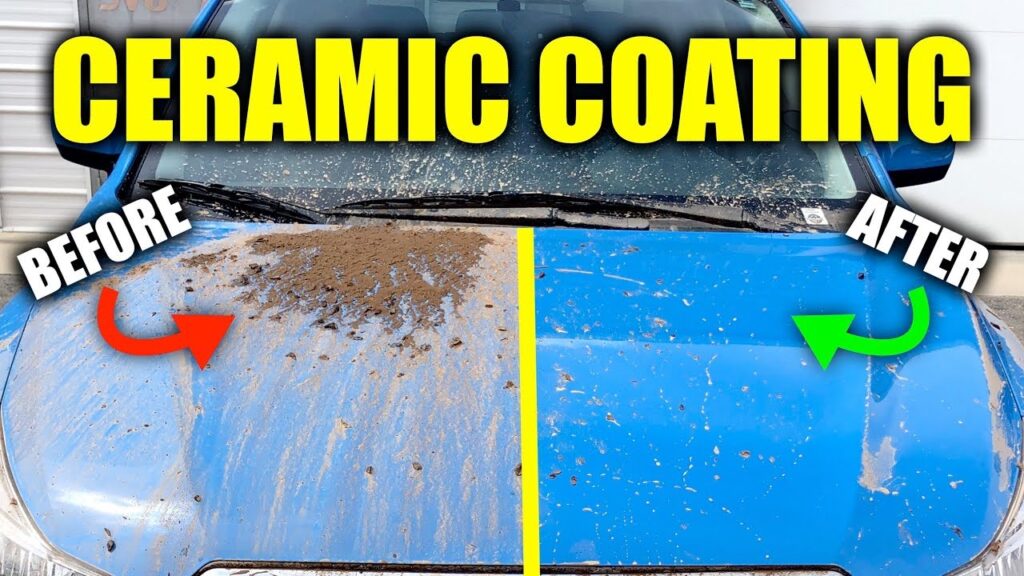
This protection repels water, dirt, and UV rays while resisting chemical etching from bird droppings or road salt. In real-world use, I’ve seen ceramic-coated cars maintain gloss through harsh winters that dull untreated paint in months.
Key benefits of ceramic coating
- High hydrophobicity: Water beads and sheets off, reducing water spots and making washes easier.
- UV and oxidation resistance: Prevents fading on exposed hoods and roofs.
- Chemical resistance: Shields against acidic rain, bug splatter, and tree sap.
- Enhanced gloss: Fills minor swirl marks for a deeper, wet-look shine.
Real-world durability of ceramic coatings
Professional-grade ceramics like Gtechniq CSL or CarPro CQUK last 2-5 years with proper maintenance. DIY kits from brands such as AvalonKing or Adam’s Polishes endure 1-2 years on daily drivers.
Expect 9H+ hardness ratings, meaning they resist light scratches from washing but won’t stop rock chips. Always prep surfaces meticulously—polish first, decontaminate with iron remover and clay bar, then IPA wipe—or the coating fails prematurely.
| Product Type | Average Durability | Ideal For |
|---|---|---|
| Consumer DIY (e.g., Turtle Wax Hybrid) | 6-12 months | Budget daily drivers |
| Enthusiast DIY (e.g., AvalonKing Armor Shield IX) | 1-2 years | Weekend warriors |
| Professional (e.g., Gyeon Q2 Mohs Evo) | 3-5+ years | Show cars, luxury vehicles |
What is graphene coating and why is it gaining popularity?
Graphene coatings incorporate graphene—a single layer of carbon atoms in a honeycomb lattice—into ceramic-like formulas for extreme thinness and strength. This nano-material delivers unmatched flexibility and heat dissipation without the brittleness of traditional ceramics.
Brands like Adam’s Graphene Ceramic Coating or Ethos Graphene Matrix use graphene oxide or reduced graphene oxide to bond at a molecular level, providing self-healing properties from heat exposure. Owners report these coatings transforming matte paints into glossy finishes that stay pristine longer.
Unique advantages of graphene over traditional ceramics
- Superior hydrophobicity: Contact angles exceed 110-120 degrees, causing water to bounce off aggressively.
- Self-healing: Minor scratches disappear when heated by sun or hot water due to graphene’s flexibility.
- Extreme durability: Rated up to 10H hardness with better flexibility, resisting wash-induced marring.
- Heat resistance: Dissipates up to 10x more heat than ceramics, ideal for hot climates or track cars.
I’ve applied graphene to client Mustangs parked in direct Florida sun; after a year, they show zero oxidation while nearby ceramic-coated cars faded slightly.
Graphene vs ceramic coating: Direct head-to-head comparison
Graphene edges out ceramic in hydrophobics, scratch resistance, and longevity, but ceramics win on affordability and proven track records. Graphene’s thinner application (1-2 microns vs. 2-5 microns for ceramics) allows multiple layers without buildup.
Performance comparison table
| Feature | Graphene Coating | Ceramic Coating | Winner |
|---|---|---|---|
| Hydrophobicity (Contact Angle) | 110-130° | 100-110° | Graphene |
| Hardness | 9-10H (flexible) | 9H (brittle) | Graphene |
| Durability | 5-7+ years | 2-5 years | Graphene |
| Self-Healing | Yes (heat-activated) | No | Graphene |
| Application Ease | Moderate (cures faster) | Easy (forgiving) | Ceramic |
| Cost (per kit) | $100-150 | $50-100 | Ceramic |
Graphene excels in extreme conditions—think salted roads or desert heat—while ceramics suffice for garaged cars. Test both on a small panel if undecided; graphene’s slicker feel is immediately noticeable.
Cost breakdown: Graphene coating vs ceramic coating prices
Ceramic kits start at $50 for basic one-car treatments, scaling to $130 for pro-level. Graphene demands $100+ due to exotic materials, but professional installs flip the script: ceramics at $800-1500, graphene at $1200-2500.
DIY saves 70-80% versus shops, but factor in prep tools: dual-action polisher ($150), pads, compounds ($100+). Long-term, graphene’s extended life offsets higher upfront costs.
DIY vs Professional pricing guide
- DIY Ceramic: $60-120 (covers midsize sedan)
- DIY Graphene: $110-180
- Pro Ceramic (full detail): $1000-2000
- Pro Graphene: $1500-3000 (includes paint correction)
Shops overquote by bundling unnecessary corrections; inspect your paint first with an LED light for swirls.
How to apply ceramic coating: Step-by-step DIY guide
Prep is 80% of success—skip it, and nothing sticks. Work in 70-80°F garage with zero dust; humidity under 60% ideal.
Step 1: Wash and decontaminate
- Snow foam pre-wash, then two-bucket wash with microfiber mitt.
- Clay bar with iron remover (e.g., CarPro IronX) to dissolve embedded metals.
- Rinse thoroughly; dry with blower or microfiber towels.
Step 2: Paint correction
- Inspect: Use paint thickness gauge; skip if under 4 mils.
- Polish: Compound (Rupes Yellow), then finish polish (Meguiar’s M205) with DA polisher at 5-6 speed.
- Wipe down with isopropyl alcohol (IPA) 70% mix.
Step 3: Apply coating
- Saturate applicator pad; apply in 2×2 ft sections cross-hatch.
- Buff after 1-5 minutes flash time with clean microfiber.
- Layer 2-3 coats if product allows, waiting 1-24 hours between.
Cure 24-48 hours; avoid water. Top with silica spray monthly for boost.
Graphene coating application process: Detailed steps for best results
Graphene cures faster (30-60 min per layer) but demands precision—no leveling agents like ceramics. Use gloves; it’s stickier initially.
Prep identical to ceramic
Mirror ceramic steps 1-2; graphene amplifies flaws, so perfect the surface.
Graphene-specific application
- Apply thin—less is more; graphene self-levels better.
- Work panels top-down; immediate buffing prevents high spots.
- 2-4 layers possible same day; heat lamp accelerates curing.
Post-cure: graphene “breathes” better, needing less topper. Expect slicker feel from day one.
Common application mistakes to avoid
- High humidity causing haze (use dehumidifier).
- Over-application leading to cracking.
- No cross-linking time between layers.
Graphene vs ceramic: Maintenance and longevity in real-world conditions
Both need pH-neutral soap washes; avoid automatics. Graphene shrugs off contaminants better, extending time between details.
Weekly touch-up routine
- Rinse off loose dirt; foam cannon if possible.
- Two-bucket wash; graphene mitt preferred.
- Booster spray (e.g., Gtechniq C2 for ceramic, Adam’s Graphene Spray for graphene).
In salt-heavy areas, graphene outlasts by 2x; UV tests show it preserving 95% gloss after 3 years vs. 85% for ceramics.
Best graphene and ceramic coatings for DIY in 2024
Top ceramics: CarPro CQUK V2 (5+ years), Gyeon WetCoat (easy spray-on). Graphene leaders: Ethos V3 (self-healing champ), Adam’s Advanced (user-friendly).
| Category | Product | Price | Standout Feature |
|---|---|---|---|
| Best Budget Ceramic | Turtle Wax Pro Hybrid | $40 | One-step ease |
| Best Pro Ceramic | Gtechniq Crystal Serum Light | $120 | 9H hardness |
| Best Graphene Overall | Ethos Graphene Matrix V3 | $140 | Heat self-heal |
| Best Value Graphene | Adam’s Graphene Ceramic Coating | $110 | Beginner-friendly |
Is graphene coating worth it over ceramic?
Yes for enthusiasts chasing max protection; no for casual owners. Graphene justifies $50-100 premium if your car sees sun, salt, or track days.
ROI hits when replacing costs exceed coating price—graphene delays that by years. Test durability yourself: scratch test with fingernail (neither should mark), water beading persistence.
FAQ
Can you apply graphene over old ceramic coating?
Yes, but strip or heavy polish the old layer first for bonding. IPA wipe removes residues; expect 70% of full durability.
Does weather affect curing for graphene or ceramic?
Ideal: 50-85°F, low humidity. Cold slows curing (add 24 hours); heat speeds it but risks unevenness—use space heater/AC.
How do you remove graphene or ceramic coating if needed?
Compound aggressively with medium cut (e.g., Menzerna 2500), then polish. Professional stripper like Bilt Hamber Korrosol for tough jobs.
Are graphene coatings safe for matte paint?
Yes—use matte-specific formulas like Gtechniq Halo Flex. They preserve flat finish while adding protection.
What’s the difference in washing graphene vs ceramic coated cars?
Minimal; both love foam and rinseless washes. Graphene repels better, tolerating longer intervals between full details.
Graphene represents the future of paint protection—thinner, tougher, smarter—while ceramics remain a rock-solid, accessible choice. Match your pick to usage: daily grind gets ceramic reliability; prized rides demand graphene’s edge. Invest time in prep either way; it’s the real game-changer for years of showroom shine without endless waxing.
Leave a Reply