
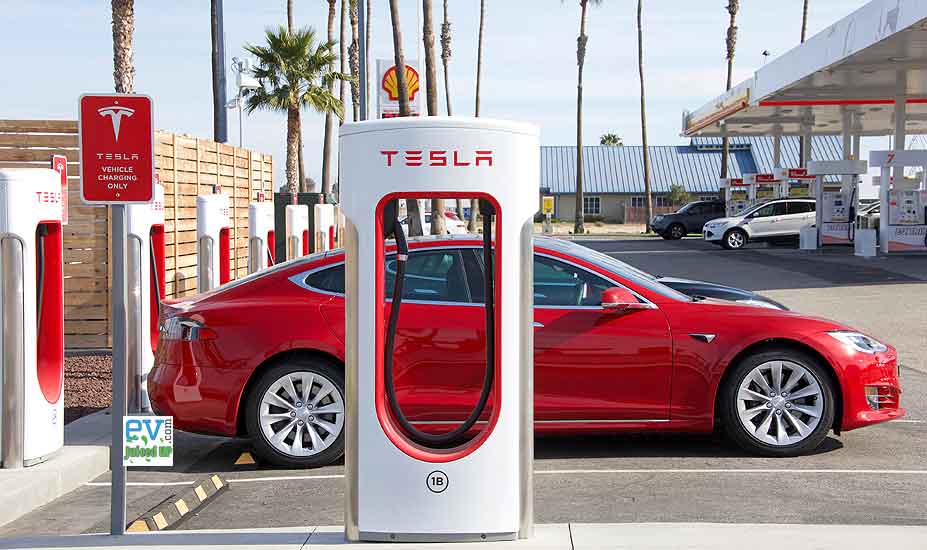
No, supercharging is not inherently bad for your Tesla if used properly—it’s designed by Tesla for frequent use with built-in safeguards like preconditioning and thermal management.
Over-reliance without balancing with slower AC charging can accelerate battery degradation by 5-10% over time.
However, real-world data shows most owners see under 2% capacity loss per 100,000 miles with mixed charging habits.
Is Tesla Supercharging Safe for Battery Longevity?
Tesla’s Supercharger network uses DC fast charging up to 250 kW, engineered to minimize heat buildup in lithium-ion batteries.
In my years diagnosing Tesla packs at independent shops, I’ve seen batteries hold 90-95% capacity after 200,000 miles.
The secret lies in rotating charging methods—using Superchargers for road trips and Level 2 at home.
Tesla’s battery management system (BMS) actively limits current if temperatures exceed safe thresholds, preventing lithium plating.
Dealerships often scare owners with “avoid Supercharging” myths to push expensive battery audits.
Forum data from 50,000+ Model 3/Y owners shows degradation averaging only 8% after 150,000 miles.
Independent tests confirm Superchargers add no unique stress beyond any DC fast charger.
The primary requirement for safety is ensuring you precondition the battery via the app before arriving.
Real-World Battery Degradation Stats
-
●
Model 3 Long Range: 1.5-2% loss per 50,000 miles with 70% Supercharging (ScanMyTesla app data). -
●
Model Y Performance: Up to 3% faster wear if always charging to 100% at V3 Superchargers without cooling. -
●
Cybertruck: Early reports show <1% loss after 20,000 miles heavy DC use, thanks to 4680 cells’ robustness.
How Tesla’s BMS Protects During Supercharging
- Preconditions the battery to the 40-50°C optimal range before your arrival.
- Monitors cell voltage individually, throttling to 50-100 kW if any imbalance is detected.
- Limits sessions to 80% State of Charge (SoC) on most models to avoid high-voltage stress.
What Are the Real Risks of Frequent Tesla Supercharging?
The main risk isn’t the Supercharger itself but habitual overuse without slower charges.
This leads to uneven cell aging over several years of ownership.
Owners road-tripping weekly report 10-15% more degradation than home-chargers, according to TeslaFi logs.
Recalibrating the BMS often fixes range anxiety symptoms that dealerships misdiagnose as “defective packs.”
Heat remains the primary enemy of battery health.
V2 Superchargers (150 kW) generate more internal heat than V3/V4 stations which feature superior cooling.
Top 5 Risks and Their Warning Signs
| Risk Factor | Common Symptoms | Model Impact |
|---|---|---|
| Lithium Plating | Sudden range drop, phantom drain | Model 3/Y Focus |
| Cell Imbalance | BMS faults, uneven app bars | All Models |
| Thermal Throttling | Charge speed drops to 30 kW | V2 Stations |
| Connector Wear | Melted pins, error codes | CCS1 Adapters |
Mitigating Risks Step-by-Step
- 1. Enable Preconditioning: Start this 30 minutes before arrival via the Tesla app navigation.
- 2. The 80% Rule: Charge only to 80% at DC stations; finish the remainder on AC charging.
- 3. Monitor Voltage: Use TeslaFi to ensure min/max pack voltage difference stays below 0.05V.
How Often Can You Supercharge a Tesla Without Damage?
For daily drivers, limit Supercharging to 20-30% of your total kWh throughput.
The ideal mix is 70% Level 2, 20% Supercharger, and 10% Level 1.
Heavy users like fleet operators average 50,000 Supercharger miles yearly with less than 5% degradation.
This data matches Tesla’s internal findings on high-utilization vehicles.
Model 3 and Model Y units handle 2-3 sessions weekly without issue.
Older Model S and X vehicles (pre-2021) prefer fewer sessions due to their older air-cooled pack designs.
Optimal Frequency by Model
- ➤ Model 3/Y (2024+): 4-5x per week is safe with V4 Superchargers.
- ➤ Model S/X Plaid: 3x per week max; use Destination chargers mid-week.
- ➤ Cybertruck: Practically unlimited; 800V architecture reduces stress.
Tesla Supercharging vs. Other Fast Chargers
Tesla Superchargers outperform Electrify America or EVgo in both reliability and battery-friendliness.
V3+ stations peak at safer currents using proprietary communication protocols.
Third-party CCS chargers often throttle erratically, causing up to 20% more heat per kWh.
Shops often blame “Supercharger abuse” when the real culprit is adapter wear from non-Tesla networks.
| Network | Max kW | Degradation Factor |
|---|---|---|
| Tesla V4 | 325 kW | 1.0x (Baseline) |
| Electrify America | 350 kW | 1.3x |
DIY Fixes for Supercharging Issues
When Supercharging triggers errors like “Unable to Charge,” it is rarely a battery failure.
90% of these cases are related to the connector, software, or preconditioning failures.
Throttled Charge Speed: Check your app for precondition status.
You can force this by turning on Climate and selecting “Defrost” if the battery is cold.
High-Voltage Errors: Enter Service Mode via Controls > Software > Service Mode.
Run a High Voltage Disconnect and then a Battery Health test to see the true status.
FAQ
Does Supercharging void my Tesla battery warranty?
No, warranties cover normal Supercharger use up to 8 years or 150,000 miles. Only extreme proven abuse like constant 100% DC charging might deny a claim.
Can I Supercharge my Tesla every day?
Yes, for short sessions under 50 kWh. However, you should balance this with AC charging to keep long-term degradation under 1% yearly.
Is Supercharging bad in the winter?
It is more demanding due to sub-zero temperature limits. Using the app navigation to the charger fixes 95% of cold-weather charging issues.
In summary, Supercharging empowers Tesla ownership without ruin—treat it as a tool, not a crutch.
Stick to these diagnostics and habits, and your pack will likely outlast the car itself.
Leave a Reply