
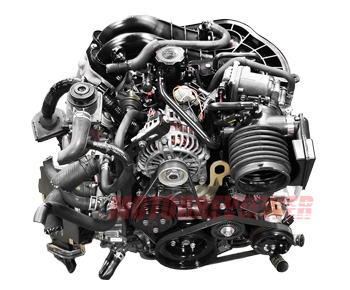
The Mazda RX-8 rotary engine is a 1.3L Renesis twin-rotor Wankel engine producing 232 hp at 8,500 RPM and 159 lb-ft at 5,500 RPM in stock form.
It features a 9.0:1 compression ratio, a redline of 9,000 RPM, and a unique port injection fueling system.
What are the exact specs of the Mazda RX-8 rotary engine?
The Mazda RX-8’s Renesis rotary engine, codenamed 13B-MSP, delivers 232 horsepower at 8,500 RPM and 159 lb-ft of torque at 5,500 RPM for manual transmission models.
Automatic versions drop to 212 hp and 144 lb-ft due to specific tuning differences.
This 1.3-liter twin-rotor design revs to a 9,000 RPM redline.
The engineering emphasizes high-RPM power delivery over low-end grunt, which is characteristic of the Wankel design.
Key specs include a 9.0:1 compression ratio and side-port intake and exhaust for better flow.
It utilizes sequential port injection with 13.5:1 air-fuel ratios at wide-open throttle.
The unit weighs just 231 pounds dry, which is significantly lighter than comparable piston engines.
This lightweight construction enables the RX-8’s near-perfect 50/50 weight distribution.
Fuel economy sits at 18 mpg city and 24 mpg highway EPA ratings.
However, real-world consumption varies significantly based on individual driving styles and maintenance.
Core Engine Dimensions and Design Specs
- 🔹 Displacement: 1,308 cc (1.3L) total, 654 cc per rotor.
- 🔹 Bore x Stroke: 78 mm x 83.6 mm (eccentric shaft stroke equivalent).
- 🔹 Rotors: Two three-piece cast iron rotors with stainless steel housings.
- 🔹 Eccentric Shaft: Billet steel with a 103 mm stroke.
- 🔹 Oil Capacity: 0.82 quarts for apex seals and 3.9 quarts for the engine total.
These specs reflect Mazda’s push for efficiency in the Renesis over the older RX-7’s 13B-REW.
The side-port design eliminates intake overlap issues found in peripheral ports, boosting mid-range torque by 40%.
Performance and Output Variants
| Model Year | Transmission | Horsepower | Torque (lb-ft) |
|---|---|---|---|
| 2004-2008 | 6MT | 232 @ 8,500 RPM | 159 @ 5,500 RPM |
| 2004-2008 | 4AT | 212 @ 7,500 RPM | 144 @ 5,000 RPM |
| 2009-2011 | 6MT (R3) | 238 @ 9,000 RPM | 211 @ 5,500 RPM |
The 2009+ R3 model’s higher output came from revised ECU mapping and a freer-flowing intake system.
All variants require premium unleaded fuel with a 91+ octane rating for optimal timing.
Mazda RX-8 rotary engine compression ratio and why it matters
The RX-8 Renesis engine runs a 9.0:1 compression ratio across both rotors.
This is lower than many modern piston engines to accommodate the rotary’s unique geometry and heat management needs.
This specific ratio balances power output with long-term reliability in a design prone to localized hot spots.
It directly impacts the engine’s resistance to detonation and overall thermal efficiency.
In tuning scenarios, bumping compression via aftermarket e-shafts can push ratios to 9.4:1 safely on race gas.
However, stock housings often limit these gains without significant hardware swaps.
How to Measure RX-8 Compression Correctly
Rotary compression tests require heating the engine to 176°F (80°C) operating temperature.
You must disable ignition and fuel, then crank the engine with the throttle held wide open.
- Warm the engine fully: Remove all spark plugs and leading/trailing plug wires.
- Lubrication: Pour 1 oz of Marvel Mystery Oil per rotor chamber and let it soak for 15 minutes.
- Crank the starter: Note the peak psi on all six faces (each rotor has three faces).
- Record hot compression: Cold tests are often misleading and can result in incorrect diagnostics.
Mazda RX-8 engine oil capacity and type recommendations
The RX-8 requires 4.5 quarts of oil in total.
This includes 3.9 quarts for the sump and 0.6 quarts for the apex seals and mixing.
Use a full synthetic 5W-30 or 10W-40 that meets Mazda Dexos or API SN standards.
Low phosphorus content is preferred to ensure the longevity of the catalytic converter.
Rotaries burn oil by design for apex seal lubrication.
Expect to consume about 1 quart every 1,000 miles if the car is driven aggressively.
Step-by-Step Oil Change for RX-8 Owners
- Preparation: Run the engine to operating temp, then park on level ground.
- Drain: Remove the undertray and the 17mm drain plug at the sump’s lowest point.
- Seal: Replace the crush washer (PN: 99277-10006) and torque to 22-30 ft-lbs.
- Refill: Pour 3.5 quarts initially, run for 5 minutes, then top off to the full mark.
- Premix: Add 8 oz of oil per rotor (16 oz total) into the fuel tank at every fill-up.
Common Mazda RX-8 rotary engine problems and OEM weaknesses
The RX-8 Renesis fails primarily due to apex seal wear, coolant seal leaks, and carboned side seals.
While it can hit 100k miles, neglect or frequent cold starts can shorten its lifespan significantly.
Flooding from unburnt fuel in the chambers is a common issue that can strand owners.
Additionally, catalytic converter failures are frequent and often trigger constant Check Engine Lights.
Apex Seal Failure: Causes and Detection
- ⚠️ Cause 1: Cold starts without premix can choke the engine.
- ⚠️ Cause 2: Low oil levels starving the trailing plugs of necessary lubrication.
- ⚠️ Cause 3: Aftermarket tunes exceeding 10 psi boost without reinforced seals.
How to maintain Mazda RX-8 rotary engine for longevity
Daily premixing of 8 oz of oil per rotor is highly recommended.
Change your oil every 3,000 miles using Idemitsu Rotary-specific synthetic for best results.
It is vital to run the engine to the redline at least once a week to clear out carbon deposits.
Avoid short trips under 20 minutes to ensure the engine reaches full operating temperature.
DIY Maintenance Schedule
| Interval | Task | DIY Cost |
|---|---|---|
| Every Tank | 16 oz premix oil | $5 |
| 3k Miles | Oil/filter + plugs | $80 |
| 10k Miles | Coolant flush, TB clean | $40 |
Mazda RX-8 Renesis vs RX-7 rotary engine differences
The RX-8 Renesis ditches the RX-7’s twin-turbo peripheral ports for naturally aspirated side ports.
This change resulted in 30% better emissions and improved low-end torque but sacrificed turbo spool.
The RX-8 engine weighs 50 lbs less and revs to the same 9k redline.
However, it tends to burn more oil because it lacks the turbo lubrication assistance found in the RX-7.
FAQ
Can you turbocharge the stock RX-8 rotary engine?
Yes, but it is best to limit boost to 8-10 psi with upgraded seals. Stock housings are known to crack above 12 psi sustained.
What’s the rotary engine lifespan in an RX-8 with proper care?
150,000+ miles is achievable with strict premixing and frequent oil changes. Neglect can easily halve that lifespan.
Is the RX-8 rotary engine reliable for daily driving?
Absolutely, provided it is maintained to rotary-specific standards. It is smoother than a piston engine but demands discipline regarding warmups.
In summary, the Mazda RX-8 rotary engine’s specs define a high-revving marvel.
Master the habits of premixing and regular compression checks to enjoy the unmatched character of this unique engine.
Leave a Reply