
The P0300 code on a Mini Cooper means random/multiple cylinder misfire detected.
Fix it first by checking for vacuum leaks, then inspect ignition coils and spark plugs.
These components cause 80% of cases on N12, N14, and N16 engines.
Addressing these early prevents expensive damage to your catalytic converter.
What Does P0300 Mean on a Mini Cooper?
P0300 indicates the ECU has detected misfires across multiple cylinders randomly, rather than being pinned to just one.
On Mini Coopers, especially R56 (2007-2012) and later models, this triggers the check engine light immediately.
If ignored, the car can lead to “limp mode” to protect the drivetrain.
This code doesn’t specify which cylinder is at fault, making diagnosis tricky for shops that jump to full engine teardowns.
In my experience wrenching on these, it often stems from shared components like fuel delivery or air intake issues.
These factors affect all cylinders unevenly, causing the “random” designation.
Why Mini Coopers Throw P0300 More Than Other Cars
Mini Cooper’s N12, N14, N16, and B48 engines run high compression with direct injection.
This setup amplifies small issues into full misfires very quickly.
- • High-revving nature stresses coils and plugs faster than standard sedans.
- • Turbo models (Cooper S) spike boost unevenly if wastegates stick.
- • OEM coils often fail prematurely around 60k-80k miles due to engine bay heat soak.
P0300 Symptoms Specific to Mini Cooper
- Rough idle with noticeable vibration felt through the steering wheel.
- Hesitation or stumbling during acceleration, especially when pulling away from a stop.
- Reduced power, often accompanied by a “reduced engine performance” dashboard warning.
- Fuel smell from unburnt gas, paired with a significant drop in MPG.
- Occasional backfiring through the exhaust during deceleration.
Owners report these symptoms worsening in hot weather or after short trips.
This happens because the engine doesn’t reach full operating temperature to burn off carbon deposits.
Mini Cooper P0300 Causes and Fixes
The most common causes are ignition-related, followed by fuel and air issues.
Start with no-cost checks like vacuum leaks before buying expensive parts.
Dealerships often quote $1500+ for “injector replacement” when the issue is just worn plugs.
Always verify the basics first to save money.
1. Faulty Spark Plugs or Ignition Coils
NGK or Bosch plugs can have incorrect gaps from the factory, and coils often crack internally.
Symptoms typically peak at idle or low RPM.
An OBD scanner will show live misfire counts jumping randomly across cylinders.
This is a classic sign of aging ignition components.
- Disconnect battery negative terminal.
- Remove engine cover (4 clips on N14).
- Unplug each coil and remove packs (10mm socket).
- Swap plugs (torque to 23 Nm); use OEM or NGK ILZKAR6H11G.
- Reinstall, clear code, and test drive.
Pro tip: Replace all coils if one fails, as others usually follow within 5k miles.
This costs $100-200 DIY versus $600 at a professional shop.
2. Vacuum Leaks (The Hidden Killer)
A cracked PCV valve diaphragm or intake manifold gasket leaks unmetered air.
This causes lean misfires that the ECU struggles to compensate for.
Listen for a distinct hissing sound at idle.
Spraying carb cleaner on hoses while the engine runs can confirm a leak if the RPM changes.
- ▶ R50/R53: Throttle body gasket dries out; replace with BMW 13537582429.
- ▶ R56: Charge pipe “banana pipe” often splits; inspect the turbo outlet.
- ▶ F56: Plastic diverter valve hose cracks; upgrade to metal-lined versions.
3. Fuel System Problems
Low-pressure pumps in the tank can fail on N16/B48 engines, starving injectors.
High-pressure pump (HPP) solenoids also clog from poor quality gasoline.
| Model | Common Fuel Issue | DIY Test | Fix Cost |
|---|---|---|---|
| R56 Cooper S | HPP wear | Check rail pressure (2000+ psi) | $800 pump |
| F56 Base | LPFP screen clog | Listen for pump prime | $150 filter |
| Clubman R55 | Injector pintle cap | Swap injectors side-to-side | $50 seals |
4. Valvetrain and Compression Issues
Timing chain stretch on N12/N14 engines can cause the car to skip teeth.
This drops compression randomly across cylinders, leading to persistent P0300 codes.
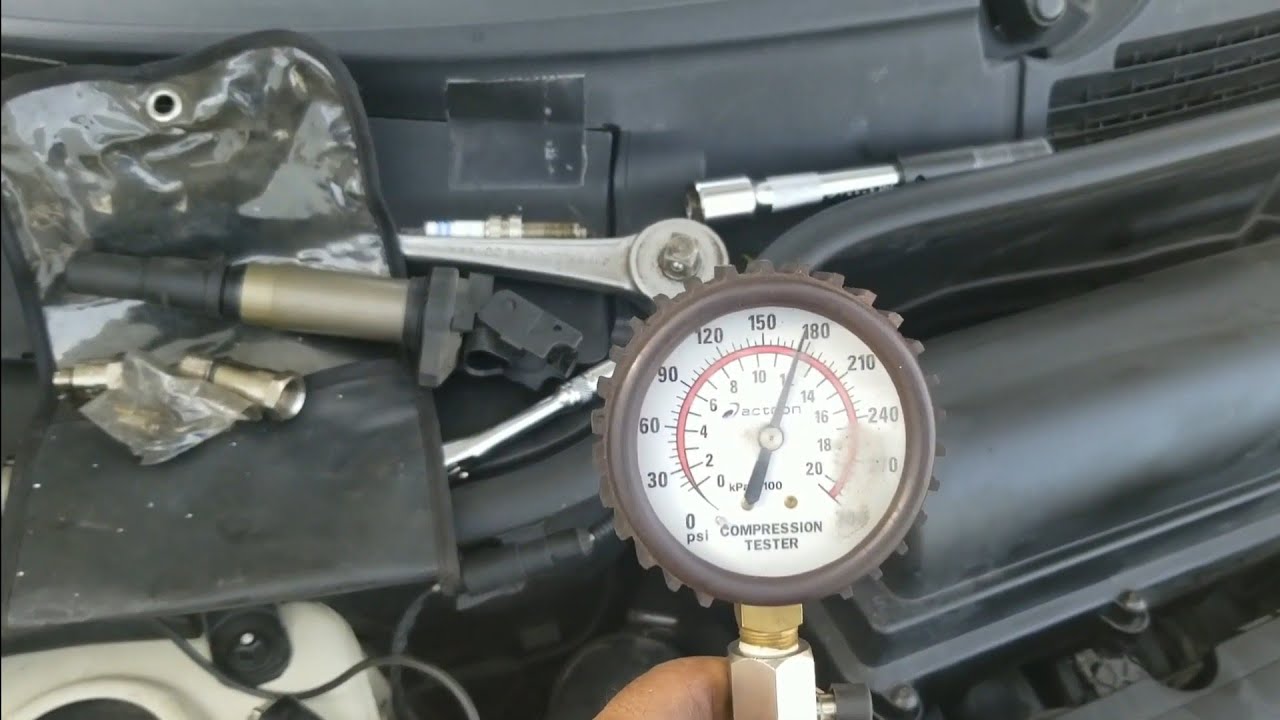
A wet compression test will show variance greater than 10%.
Shops often miss this and incorrectly blame the catalytic converters.
How to Diagnose P0300 Step by Step
Don’t “shotgun” parts at the car—use data.
Grab an OBD2 scanner with live misfire data like BlueDriver or a Carly adapter.
Step 1: Scan and Data Log
- Plug in the scanner, clear the code, and idle for 5 minutes.
- Note the misfire counts per cylinder during a road test.
- Check fuel trims: LTFT >+10% usually means a vacuum leak.
Step 2: Visual Inspection
- Coils: Swap a suspect coil to a good cylinder; see if the code follows.
- Plugs: Pull all plugs and check for oil or carbon fouling.
- Wiring: Inspect harnesses for chafing near the turbocharger.
Common Mini Cooper P0300 Misdiagnosis
Dealers often push for “engine computer programming” ($800) or full injector sets ($2k).
Independent shops frequently overlook the PCV system, quoting catalytic converters instead.
The real fix rate is 70% resolved for under $300 via DIY.
Always demand live data proof before approving expensive mechanical work.
FAQ
Will P0300 clear itself on a Mini Cooper?
No, it requires fixing the root cause and clearing the code manually. Driving with it risks $2,000 in catalytic converter damage.
Can bad gas cause P0300 in a Mini Cooper S?
Yes, ethanol content over 10% can clog injectors. Use 91+ octane and a fuel stabilizer to resolve this.
How much does it cost to fix at a dealership?
Expect to pay between $800 and $2,500. DIY repairs usually cost half that, or less if you supply your own data.
In summary, P0300 on your Mini Cooper is usually a straightforward DIY fix targeting ignition or vacuum first.
Skip the dealer upsell, grab basic tools, and you’ll save thousands while keeping your Cooper running crisp.
Leave a Reply