
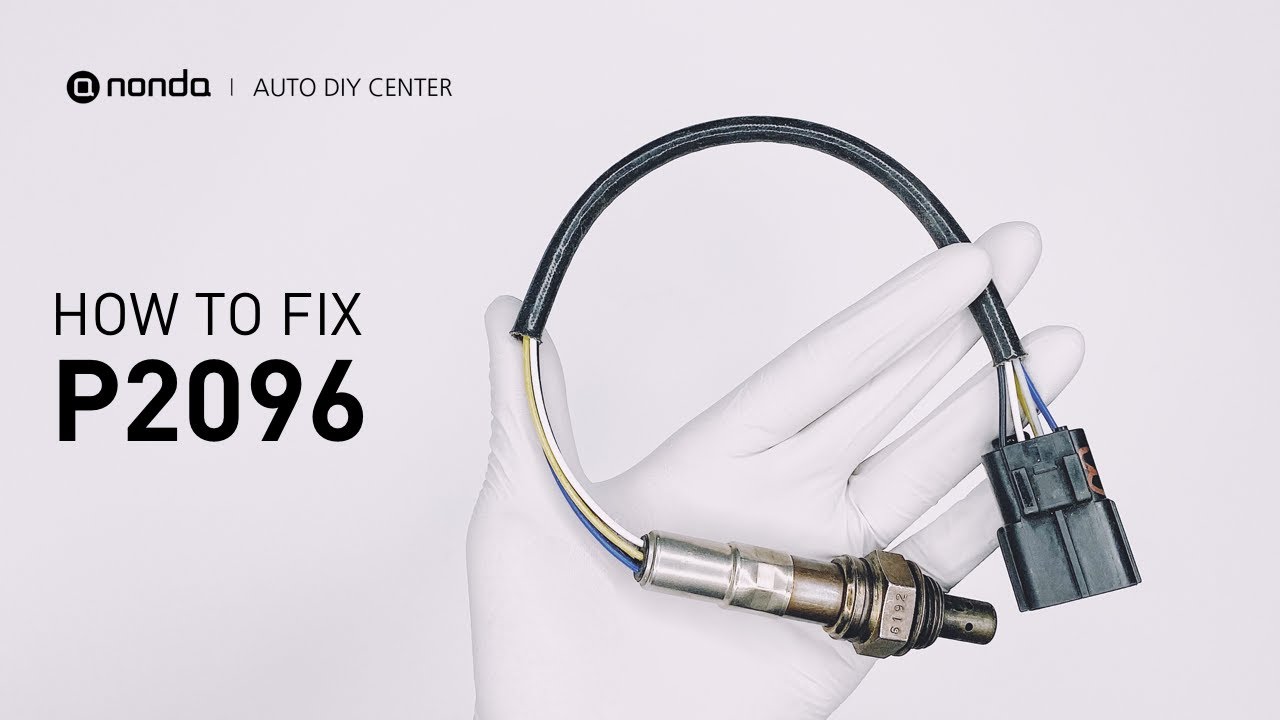
P2096 in Mini Cooper means Post Catalyst Fuel Trim System Too Lean Bank 1. This indicates the engine is running too lean after the catalytic converter despite the computer’s adjustments.
What Does P2096 Code Mean on Mini Cooper?
P2096 signals that your Mini Cooper’s ECU detects a lean condition downstream of the catalytic converter on Bank 1. This happens when the post-cat oxygen sensor reads insufficient fuel in the exhaust, even after the fuel trim tries to compensate.
Owners often see it paired with rough idle, hesitation, or poor fuel economy. This is particularly common on N12, N14, N16, or N18 engines found in many Mini models.
In real-world diagnostics, this code doesn’t always mean a bad catalytic converter. While dealerships push expensive replacements first, independents know it’s frequently a sensor or vacuum issue.
I’ve cleared this code hundreds of times on Gen 2 and 3 Minis without touching the catalytic converter. Ignore generic OBD scanners; use a bidirectional tool like ISTA or FORScan for live data.
Common Symptoms of P2096 in Mini Coopers
- ➔ Check engine light with P2096 (sometimes with P0171 or P0420).
- ➔ Hesitation or stumbling during acceleration.
- ➔ Reduced MPG—drops of 3-5 MPG are typical.
- ➔ Rough idle or stalling in traffic.
- ➔ Failed emissions tests due to lean readings.
Why Mini Coopers Throw P2096 More Than Other Cars
Mini’s N-series engines have tight tolerances and direct injection vulnerabilities. Turbochargers on Cooper S models amplify vacuum leaks, and the single-bank setup means Bank 1 issues dominate.
Dealerships often overlook software glitches in early N14s. They may quote $2,500+ for catalytic converter jobs when a $50 sensor or simple software fix is all that’s needed.
Mini Cooper P2096 Causes and Fixes
The top cause of P2096 in Mini Coopers is a failing downstream oxygen sensor, accounting for 40-50% of cases. Vacuum leaks follow closely, then fuel delivery problems.
Always start with live data scans before swapping parts. This simple step saves owners thousands of dollars in unnecessary repairs.
1. Faulty Downstream O2 Sensor (Most Common Fix)
Post-cat sensors in Minis degrade from exhaust contaminants, reading falsely lean. Symptoms often worsen during cold starts. Replacement costs $100-200 DIY versus $400 at professional shops.
- Scan with OBD2 tool; confirm post-cat voltage stuck high (above 0.6V).
- Locate sensor on exhaust pipe after cat (Bank 1, passenger side).
- Unplug harness and spray PB Blaster on threads if seized.
- Use 7/8″ O2 socket with swivel; turn counterclockwise while wiggling.
- Install new Bosch or OEM sensor (NGK 2563 for most), torque to 30 ft-lbs.
- Clear code and road test 20 miles while monitoring trims.
Pro tip: On R56 models, heat shield rust causes sensor hang-up—cut it off if needed. This clears the code 80% of the time.
2. Vacuum Leaks in Intake or Boost System
Cracked PCV valves or diverter valves on Cooper S models leak unmetered air. This leans out post-cat readings. Listen for a distinct hissing sound at idle.
- R55/R56 (2007-2013): PCV membrane ruptures; replace valve ($50, 30 min job).
- R60 Clubman: Check intercooler boots for splits.
- F56 (2014+): Charge pipe o-rings dry out.
3. Exhaust Leaks Before or After Catalyst
Cracked manifolds or gaskets let oxygen enter the system, fooling the sensor. This is common on high-mileage N16/N18 turbos from constant heat cycling.
Inspect visually for soot patterns or a whistling noise. Weld repairs often beat full replacement for DIYers on a budget.
4. Fuel System Issues (Low Pressure or Clogged Injectors)
A weak high-pressure fuel pump (HPFP) starves direct injection. Live data typically shows negative long-term fuel trims over -15%.
| Model | HPFP Pressure Spec (psi) | Common Failure |
|---|---|---|
| R56 Cooper S | 1800-2200 | Pump wear at 80k miles |
| F56 Base | 1500-2000 | Filter screen clog |
| Clubman R60 | 1700-2100 | Low-pressure pump |
5. Clogged or Failing Catalytic Converter
This is a rare primary cause. It usually only happens if the upstream O2 swings wildly and cat temps exceed 1500F.
Use a backpressure gauge to test. Over 3 PSI at 2500 RPM indicates a clog; otherwise, the cat is likely fine.
How to Diagnose P2096 on Mini Cooper Step by Step
Skip the basic scanners. Get a Foxwell NT510 or BimmerCode for Mini-specific PIDs. Ensure the engine is at 180F before testing.
- Scan Codes: Note fuel trims (short-term <10%, long-term <15%).
- Live Data: Upstream O2 should oscillate 0.1-0.9V; downstream should stay steady at 0.4-0.6V.
- Smoke Test: Pressurize the intake to 2 PSI and watch for smoke leaks.
- Fuel Pressure: Check for 50 PSI low-side and 2000+ high-side at WOT.
Mini Cooper P2096 Repair Cost Breakdown
DIY repairs average $150-400, while dealers often charge $800-2500. Independent shops usually split the difference and offer better warranties on sensors.
| Fix | DIY Cost | Dealer Cost | Time |
|---|---|---|---|
| O2 Sensor | $120 | $450 | 1 hr |
| Vacuum Repair | $50 | $300 | 2 hrs |
| HPFP | $350 | $1200 | 3 hrs |
| Cat Replace | $800 | $2200 | 4 hrs |
FAQ
Can I drive with P2096 in my Mini Cooper?
Yes, for short distances. Avoid heavy throttle to prevent engine damage. MPG will drop, but the engine is safe for about 200 miles max.
Is P2096 the same as P0420 on Mini?
No. P0420 is cat efficiency low; P2096 is post-cat lean. They can overlap if the cat fails, but you should always fix the sensor first.
What’s the best O2 sensor brand for Mini?
Stick with Bosch Direct Fit or OEM Delphi. Avoid generic brands from discount sites, as they often fail prematurely.
In summary, P2096 on your Mini Cooper is fixable DIY with systematic diagnosis. Start with the O2 sensor and vacuum test to sidestep dealer upsells. Drive smarter, save thousands, and keep that Mini peppy.
Leave a Reply