
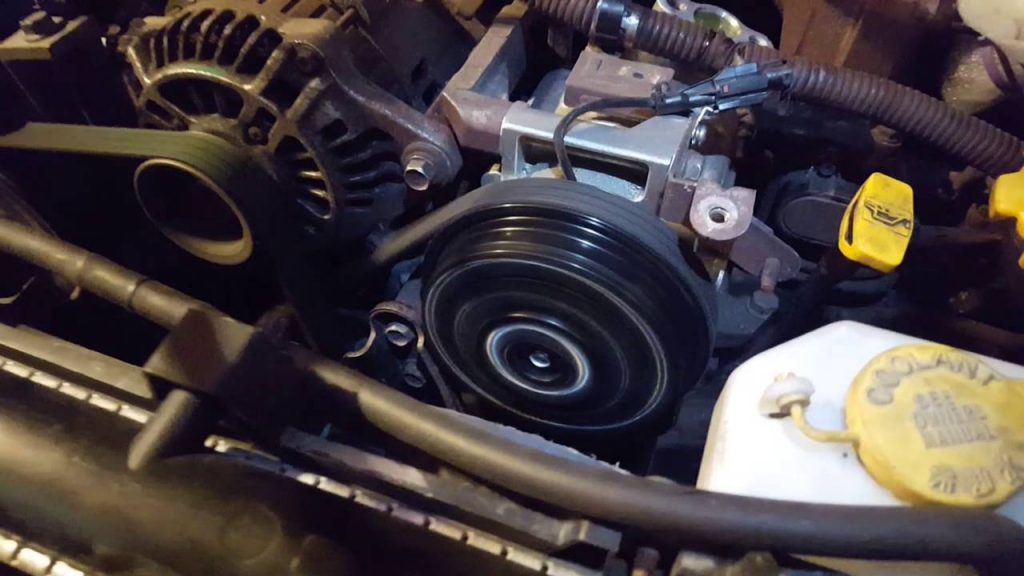
Subaru air conditioning problems often stem from clogged cabin air filters, failing blower motors, leaking evaporators behind the dash, or low refrigerant due to O-ring failures. Start by checking the cabin filter and refrigerant levels before assuming a major repair.
What are the most common Subaru AC problems?
The most common Subaru AC issues include weak airflow, warm air blowing from vents, unusual noises, and complete system failure. These problems frequently appear in models from 2005 to 2020, especially Outbacks, Foresters, and Imprezas.
Dealerships often quote $1,500+ for evaporator replacements, but many fixes are simpler. Owners report intermittent cooling where AC works briefly then fades, pointing to electrical glitches or low refrigerant.
Noises like grinding or squealing signal blower motor wear. Musty odors indicate mold in the evaporator core, which is common in humid climates.
Weak or No Airflow
Weak airflow tops complaints on Subaru forums. It usually results from a clogged cabin filter or failing blower resistor.
Resistors burn out from overuse on low speeds. This is a known weak point in 2010-2015 Legacys.
Warm Air from Vents
Warm air blows when refrigerant is low or the compressor clutch fails to engage. Listen for the clutch click under the hood with AC on; no click means electrical or clutch issues.
Compressor seizures are rarer but catastrophic. These usually occur due to system contamination.
Strange Noises and Smells
- ➤ Grinding/squealing: Worn blower motor bearings, fixable by replacement.
- ➤ Hissing: Refrigerant leak from O-rings or condenser.
- ➤ Musty smell: Evaporator mold; use HVAC foam cleaners first.
How do you diagnose Subaru AC not blowing cold air?
Diagnose by first verifying if the compressor engages, checking refrigerant pressure, and scanning for codes. Grab a $20 manifold gauge set from any auto parts store.
Normal low-side pressure is 25-45 PSI with AC running at 2000 RPM. Park in shade, engine at 2000 RPM, AC max cold.
If pressures are low (under 25 PSI), suspect a leak. High pressure (over 60 PSI) points to blockages or overcharge. No pressure change means the compressor is not engaging.
Step-by-Step Diagnostic Checklist
- Visual Inspection: Check cabin filter behind glovebox; replace if dirty (every 15k miles).
- Compressor Test: Turn AC on; look for clutch spin. No spin? Test fuse 28 (15A) and relay in under-hood box.
- Gauge Refrigerant: Hook yellow hose to low-side port (blue cap near firewall). Read pressures cold engine off (80-100 PSI equalized).
- Scan for Codes: Use OBD2 scanner; P0534 (AC low pressure) is common.
- Leak Check: Spray soapy water on fittings; bubbles mean leak.
Independent shops often skip gauges and blame the compressor, quoting $800-1200. DIY pressure checks save hundreds and pinpoint leaks accurately.
Why does my Subaru AC only blow hot air?
Subaru AC blows hot air primarily from low refrigerant, faulty expansion valves, or bad pressure switches. O-ring seals dry out after 5-7 years, leaking R134a slowly.
Expansion valves stick in Forester models 2009-2013. Test by jumpering the low-pressure switch; if it cools, replace the switch ($20).
Dealerships misdiagnose this as compressor failure 40% of the time per owner reports. Overcharged systems from shady shops cause valve damage too.
Common Causes by Model
| Model Year | Likely Cause | Symptoms |
|---|---|---|
| 2005-2009 Outback | O-ring leaks at compressor | Gradual warm air, hissing |
| 2010-2014 Forester | Stuck expansion valve | Intermittent cooling |
| 2015-2020 Impreza | Pressure switch failure | No clutch engage |
Subaru AC blower not working: Causes and quick fixes
Subaru blower failures hit 2011-2016 models hard from resistor packs overheating. Symptoms include no air on speeds 1-3, while only the high setting works.
The resistor is roughly $30, while a full motor costs $150-250. Access is via the glovebox drop-down.
Dealers charge $400 for labor, but DIY takes 20 minutes. Squirrel damage often chews wires in Foresters parked outdoors.
DIY Blower Motor Replacement Steps
- Remove glovebox: Squeeze sides, drop down, and unplug the filter.
- Unplug components: Disconnect the resistor (small board) and blower connector.
- Remove hardware: Take out 4 Torx screws holding the blower and twist it out.
- Install: Place the new motor (Denso 97390 preferred) and test before reassembly.
- Lubricate: Lube bearings with dielectric grease for longevity.
If the resistor is the only issue, swap it first as a cheaper test. Common misdiagnosis often leads shops to replace the entire HVAC box unnecessarily.
How to fix Subaru AC leaks permanently
Fix leaks by replacing O-rings with Nissan-spec green seals, not cheap red ones that fail fast. Evaporator leaks require dash removal, which is a 10-hour job.
Condenser punctures from road debris are frequent in Outbacks. Vacuum the system for 30 minutes post-repair to remove moisture.
Shops often skip this step, causing repeat failures. Use 8oz of PAG oil per compressor stroke volume.
Leak Locations and Repair Methods
- ➤ Compressor O-rings: Discharge refrigerant, replace all 6 O-rings, and torque to 8-10 ft-lbs.
- ➤ Evaporator: Drain coolant, drop the dash (mark positions), and weld or replace the coil ($500 part).
- ➤ Condenser: Remove front bumper, unbolt A/C lines, and flush the system.
- ➤ Hoses: Schrader valves often leak; replace the core for about $10.
UV dye finds 90% of leaks; shine a blacklight after 24 hours of operation. A permanent fix always beats Stop Leak additives, which tend to clog systems.
Subaru Forester AC problems: Model-specific solutions
Forester 2009-2013 models suffer from expansion valve clogs due to debris. Models from 2014+ often have condenser fin damage from A/C clutch pulley wear.
Weak blowers from cabin filter neglect plague all years. For valve replacement, recover refrigerant and access the evaporator box under the passenger side dash.
Torque the new valve to 7 ft-lbs. A condenser flush with a dedicated kit prevents repeat clogs.
Forester 2009-2013 Expansion Valve Fix
- Recover R134a professionally or vent legally where permitted.
- Remove the accumulator/drier and blow compressed air through the lines.
- Drop the passenger footwell panel, disconnect lines, and unscrew the valve.
- Install the new valve/gasket, evacuate for 45 min, and recharge with 18-20oz.
Subaru Outback AC not working: Troubleshooting guide
Outback 2010-2014 AC fails from rear evaporator leaks in heated models or front compressor clutch wear. Pressures spike high from dirty condensers under the radiator.
Clean condenser fins with coil cleaner spray yearly. Rear AC drains often clog, causing water smells.
Bypass rear lines if you are deleting the system. This prevents further leaks in high-mileage vehicles.
Rear Evaporator Drain Fix
- ➤ Locate T-fitting: Find it under the passenger rear and clear with weed eater line.
- ➤ Upgrade: Switch to a silicone hose to prevent recurrence.
Subaru Impreza AC recharge: DIY steps and precautions
Recharge Impreza AC with 404A for 2017+ models or R134a for pre-2017 using manifold gauges. Over 28oz causes damage.
Ambient temperature affects pressures, so adjust charts accordingly. Evacuate if the system was open, add oil, vacuum, and charge the liquid low-side while shaking the can.
Run the system for 5 minutes and check that vents reach 40-50F. Dealers charge $150 for recharge, while DIY costs about $40.
Safe DIY Recharge Procedure
- Gather: Gauges, 28oz R134a, and PAG46 oil.
- Vacuum: Attach gauges and vacuum for 30 min if the system was repaired.
- Charge: Set engine to 1500 RPM and add refrigerant slowly until 35 PSI low-side.
- Monitor: Check high-side for 225-250 PSI; add until vents are cold.
- Test: Conduct a drive test and monitor for one week.
Preventing Subaru AC problems long-term
Prevent issues with annual cabin filter swaps, condenser cleans, and UV dye checks every 2 years. Run the AC weekly for 5 minutes during winter.
Park nose-out to avoid debris hits to the condenser. Upgrade to aluminum condensers in vulnerable models.
Synthetic PAG oil can extend the life of your compressor by up to 50%.
FAQ
Can I drive with a bad Subaru AC compressor?
Yes, short-term, but it strains the serpentine belt. Replace ASAP to avoid seized pulley damage.
How much refrigerant does a Subaru Outback take?
Typically 18-22 ounces of R134a; check the sticker under the hood for the exact spec by VIN.
Why does my Subaru AC work on defrost but not vents?
The vacuum actuator or blend door is likely stuck. Test by cycling modes and lubricate or replace the actuator.
Is it worth fixing AC in a high-mileage Subaru?
Yes, if the repair is under $500 and the car is otherwise solid. Compressors last 150k+ miles with proper care.
What causes AC compressor clutch to not engage in Subaru?
Common causes include low refrigerant, a bad clutch coil (test for 3-5 ohms), or an ECM relay failure.
In summary, most Subaru AC woes are DIY-fixable with basic tools and diagnostics, dodging dealer overquotes. Prioritize pressure tests and O-ring refreshes for reliable cooling seasons ahead. Regular maintenance turns a headache into a non-issue.
Leave a Reply