
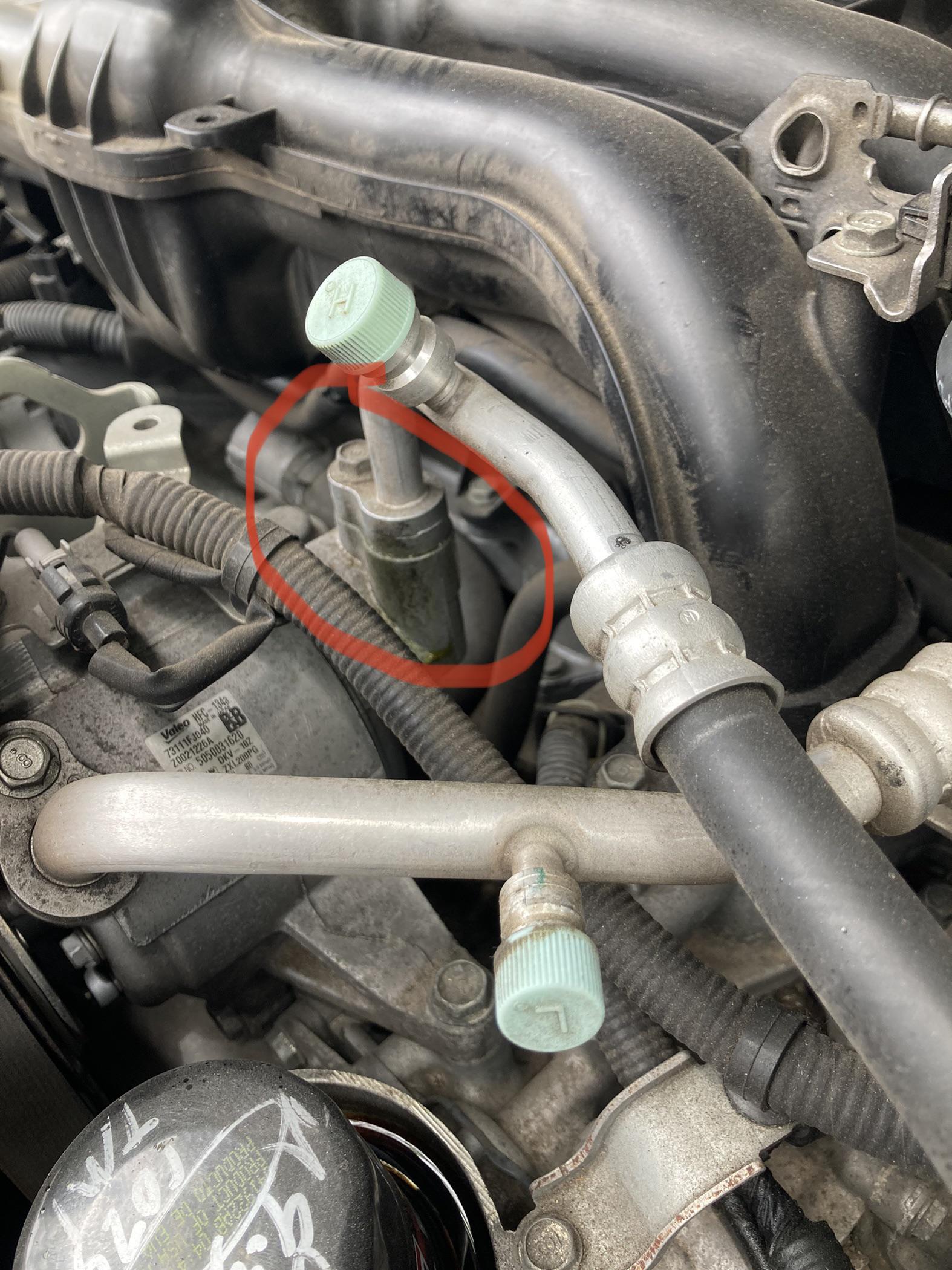
Recharge your Subaru Crosstrek AC by locating the low-pressure port under the hood near the firewall, connecting an R134a recharge kit with gauge, running the engine at 1500 RPM with AC on max, and adding refrigerant slowly until the gauge reads 25-35 PSI on the low side at 75-85°F ambient temperature.
How to Recharge Subaru Crosstrek AC: Step-by-Step DIY Guide
The Subaru Crosstrek AC system often loses cooling efficiency due to gradual refrigerant leaks. This requires a precise recharge to restore ice-cold air without the risk of overcharging the system.
This process takes 30-45 minutes with basic tools and avoids dealership quotes of $150-300 for the same job. Follow these steps exactly to prevent compressor damage from incorrect pressure.
Tools and Materials Needed for Crosstrek AC Recharge
- • R134a refrigerant can with hose and low-pressure gauge (avoid kits without gauges).
- • Thermometer for ambient temperature reading.
- • Safety glasses and gloves.
- • Basic socket set for any panel removal (2013-2020 models).
- • Optional: UV dye kit for leak detection.
Locating the AC Ports on Subaru Crosstrek (2013-2023 Models)
Pop the hood and look passenger side near the firewall for the low-pressure service port. It is marked with an “L” cap on a blue or black Schrader valve.
The high-pressure port (marked “H,” red cap) is smaller and dangerous—never connect here. On 2021+ Crosstrek hybrids, ports are similar but access requires removing the plastic cover with a 10mm socket.
- Start engine, set AC to max cold, fan high, and keep doors open.
- Run at 1500 RPM to stabilize the system before checking pressure.
- Remove low-pressure cap (use pliers if the cap is stuck tight).
- Attach recharge hose securely and listen for a hiss confirming the connection.
Recharging Process with Pressure Monitoring
Shake the refrigerant can and hold it upright. Open the valve slowly and add in 10-15 second bursts, pausing frequently to check the gauge.
Target 25-35 PSI low-side at 75-85°F outside temperature. Crosstrek systems typically hold about 18-22 oz total of R134a.
| Ambient Temp (°F) | Low-Side PSI Target | Approx. Refrigerant Amount |
|---|---|---|
| 65-70 | 22-28 | 14-16 oz |
| 75-85 | 25-35 | 16-20 oz |
| 90-100 | 35-45 | 20-22 oz |
After reaching the correct pressure, disconnect the hose, replace the cap, and perform a test drive. The vents should blow 40-50°F air.
If pressure drops quickly after the recharge, a leak exists. Do not repeat the recharge process without fixing the underlying leak.
Subaru Crosstrek AC Not Cold After Recharge: Common Causes
If the AC blows warm right after a recharge, it usually signals a leak or component failure rather than just low refrigerant. Dealerships often misdiagnose this as needing a “full system flush” for $800+.
Independents and DIYers can fix 80% of these cases for under $100. Diagnose the system systematically to avoid repeat failures.
Leak Detection Methods for Crosstrek AC System
- Visual Inspection: Check the compressor clutch and condenser fins for oil residue indicating a leak.
- Soap Test: Spray soapy water on fittings and hoses; forming bubbles indicate a leak.
- UV Dye: Add dye during recharge, run the system for 10 minutes, and inspect with a UV light.
Overcharged System Symptoms and Fix
Too much refrigerant causes high pressure, clutch cycling, or warm air. Vent temperatures will exceed 50°F if the low-side is over 50 PSI.
Release excess refrigerant via the low port with the engine off until you reach the correct PSI. Only do this if an overcharge is confirmed.
Subaru Crosstrek AC Recharge Port Location by Model Year
Port locations vary slightly across Crosstrek generations, but almost all use R134a. Note that 2024+ models may switch, so always check the label.
2013-2017 models hide ports under a black plastic cover, while 2018+ models are more accessible. Connecting to the wrong port can blow fuses or damage gauges.
2013-2017 Crosstrek (Gen 1)
- Remove the passenger strut tower cover by pulling the clips.
- Locate the low port on the accumulator (round canister near the firewall).
- The high port is located upstream on the discharge line.
2018-2023 Crosstrek (Gen 2)
- No cover removal is needed; ports are exposed on the passenger accumulator.
- The blue cap low-pressure fitting is 13mm.
- Avoid the aluminum line high-pressure port located nearby.
2024+ Crosstrek and Hybrid Variants
Ports are identical to Gen 2, but the electric compressor on hybrids requires the battery to be off first. Use a manifold gauge set for precision on these models.
Subaru Crosstrek AC Leaks: OEM Weak Points and DIY Fixes
Crosstrek AC leaks often stem from plastic o-rings degrading within 3-5 years. Condenser corrosion from road salt is another common failure point.
Forums report 60% of recharges fail within months due to these issues. You can target these fixes for $20-50 compared to a $1000 dealer quote.
Most Common Leak Locations
- Compressor O-Rings: Front seals weep oil; replace with OEM 73069AA000 kit ($15).
- Condenser: Fins puncture easily; patch small holes with epoxy or replace ($150 aftermarket).
- Evaporator: Cabin filter area drips—check the drain tube first.
- Hoses: Pressure line cracks at bends (2018-2020).
Step-by-Step O-Ring Replacement
- Recover refrigerant using a DIY vacuum pump or shop evacuation.
- Disconnect the battery and remove the compressor belt (14mm pulley).
- Unbolt lines and replace o-rings lubricated with PAG oil.
- Reassemble, torque to 15 ft-lbs, and recharge the system.
Subaru Crosstrek AC Compressor Failure After Recharge
Seizing compressors post-recharge often happen from running dry or using contaminated refrigerant. Crosstrek CVT models are known to overheat clutches faster.
Listen for clicking (cycling) or grinding noises. If there is no cold air, the compressor may have failed. Always test before agreeing to a $1200 replacement.
Diagnostic Tests
- Clutch gap: 0.3-0.5mm with feeler gauge (engine off).
- Power at clutch: 12V with multimeter (AC on).
- Oil level: Disassemble if a leak or contamination is suspected.
What Type of Freon for Subaru Crosstrek AC Recharge?
All Crosstrek models (2013-2023) use R134a only. Check the under-hood sticker confirming “R134a” and PAG 46 oil type.
R1234yf is used for some 2024+ models but is not retrofittable. Using the wrong type can destroy seals instantly.
| Model Year | R134a Capacity (oz) | PAG Oil (oz) |
|---|---|---|
| 2013-2017 | 18-20 | 4.1 |
| 2018-2023 Gas | 19-21 | 4.2 |
| 2021+ Hybrid | 17-19 | 3.5 |
Subaru Crosstrek AC Recharge Cost: DIY vs Shop Breakdown
A DIY recharge costs $20-40 in refrigerant, while shops charge $120-250 including a leak check. Full repairs with evacuation hit $300-500 at independent shops.
| Service | DIY Cost | Independent Shop | Dealership |
|---|---|---|---|
| Basic Recharge | $25 | $150 | $250 |
| Leak Repair + Recharge | $50-150 | $400 | $900 |
| Compressor Swap | $300 (used) | $800 | $1500 |
FAQ
Why does my Crosstrek AC work sometimes but not others?
Intermittent cooling points to low refrigerant from slow leaks or a failing expansion valve. Test pressures when the engine is hot vs cold.
Can I recharge Crosstrek AC with engine off?
No—the system must circulate refrigerant. Engine off risks liquid slugging the compressor; always idle at 1500 RPM.
How often should I recharge Subaru Crosstrek AC?
Never routinely—annual loss under 1 oz is normal. Recharge only after a leak fix; unsealed systems lose 10-20% yearly.
Mastering Subaru Crosstrek AC recharge empowers you to sidestep dealer upsells and maintain ice-cold air reliably. Tackle it DIY this weekend to save money and stay comfortable.
Leave a Reply