
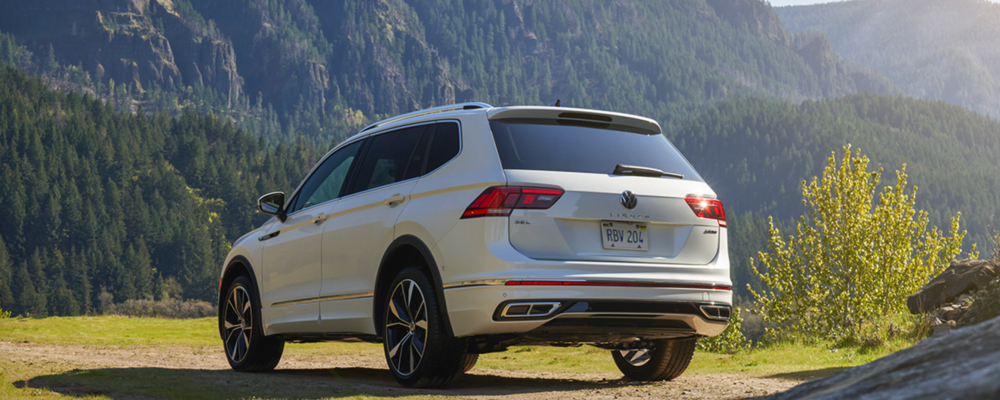
The Volkswagen Tiguan requires regular unleaded gasoline with an octane rating of 87 AKI (Anti-Knock Index).
Avoid premium fuel unless specifically required for your specific model year or high-performance engine variant.
What fuel type does the Volkswagen Tiguan use?
The standard recommendation for all Volkswagen Tiguan models from 2009 to the present is regular unleaded gasoline rated at 87 octane.
This applies across first-generation (MK1, 2009-2017) and second-generation (MK2, 2018+) Tiguan SUVs sold in the US market.
Premium fuel (91+ octane) is not required unless your owner’s manual specifies otherwise for high-performance trims.
Always verify the specific requirements for your vehicle by checking the documentation provided at purchase.
Owners frequently report dealerships pushing premium fuel during service visits, claiming it “improves performance” or “prevents engine knock.”
In reality, the Tiguan’s 2.0L turbocharged EA888 engine and earlier 2.0L TSI engines are calibrated for 87 octane.
The ECU is designed to handle minor variations in fuel quality automatically.
Using higher octane provides no measurable benefits in power, efficiency, or longevity for stock vehicles.
Check your fuel door or owner’s manual for confirmation—VW prints the octane requirement there for easy access.
Diesel options exist in Europe but are unavailable in the US due to emissions standards and past scandals.
Model-Year Specific Fuel Recommendations
- 2009-2017 (MK1 Tiguan): 87 octane unleaded; 2.0L naturally aspirated or turbo engines.
- 2018-2024 (MK2 Tiguan): 87 octane unleaded; 2.0L turbocharged EA888 Gen 3 or Gen 4.
- 2025+ (MK2 Facelift): Same 87 octane; hybrid variants (if introduced) may differ—verify manual.
Why Dealerships Recommend Premium (And Why You Shouldn’t Listen)
Service advisors often upsell premium to boost fuel sales or cite “optimal performance” as a generic benefit.
Real-world dyno tests and owner logs show zero power gains on stock Tiguans using higher-grade fuel.
The engine’s knock sensors retard timing on lower octane if needed, but 87 is the baseline VW engineers designed for.
Sticking to the manufacturer’s recommendation is the most cost-effective choice.
“In 20 years wrenching on VWs, I’ve seen more wasted money on premium than actual knock issues from regular gas. Stick to spec unless towing heavy loads frequently.”
Can I put premium gas in my Volkswagen Tiguan?
Yes, you can safely use premium gasoline (91+ octane) in any Tiguan without causing harm to the internal components.
It won’t damage the engine, but it provides no advantages for everyday driving and costs 20-30% more per fill-up.
Many owners experiment with premium during summer heat or highway hauls, reporting smoother operation anecdotally.
However, EPA tests and VW’s own dyno data confirm the ECU doesn’t advance timing beyond 87-octane calibration.
If your Tiguan pings under heavy load, premium can mask the sound temporarily.
However, you should address root causes like carbon buildup first, as premium fuel is not a permanent fix for mechanical issues.
When Premium Might Make Sense
- Heavy Towing: Tiguans rated for 1,500-1,770 lbs towing; premium reduces knock risk under sustained load.
- Aftermarket Tune: Stage 1 flashes often require 91+ octane for safe boost levels.
- High Altitude: Above 5,000 ft, effective octane drops—premium compensates if pinging occurs.
Real-World Owner Experiences
Forum threads overflow with Tiguan drivers switching between fuels, with most noting no MPG or power delta.
One 2020 owner tracked 50,000 miles split 50/50 between grades and found identical economy results.
Shops sometimes misdiagnose “premium-only” needs during check-engine light visits.
They may quote expensive timing chain jobs when the issue is actually just low-quality gas or faulty sensors.
What happens if I put the wrong gas in my Tiguan?
Using fuel below 87 octane (like 85 in high-altitude states) triggers knock sensors.
This causes the ECU to pull timing and reduce power, but it typically results in no permanent damage.
Top Tier detergent gas prevents injector issues, so it is best to avoid cheap no-name stations.
Diesel in a gas Tiguan is catastrophic and requires a full fuel system flush costing over $3,000.
E85 or race fuels void warranties and can fry pumps not rated for high ethanol content.
Independent shops catch 80% of “wrong fuel” scares as vapor lock or bad O2 sensors.
Symptoms of Low-Octane or Bad Gas
- Hesitation or pinging on acceleration.
- Reduced MPG (drops 2-3 from carbon fouling).
- Check engine light (P0300-P0304 misfires).
- Rough idle, especially during cold starts.
Step-by-Step Fix for Bad Gas
- Drain Tank: Siphon via fuel door or rent a tool; refill with Top Tier 87.
- Add Fuel System Cleaner: Use Sea Foam or Techron and drive 100 miles.
- Scan Codes: Use an OBD2 reader to clear and monitor any fault codes.
- Replace Filter: MK2 in-tank filters last 100k miles; replace only if contaminated.
Does Volkswagen Tiguan require premium gas?
No, the Tiguan does not require premium gas—87 octane regular is the OEM spec for all US models.
Premium myths often stem from Audi relatives or misread owner manuals.
VW’s owner portals and service bulletins explicitly state 87 AKI minimum.
While dealership printouts sometimes say “premium recommended,” it is generally not enforced by the manufacturer.
Overquoting happens when shops blame “low-octane detonation” for chain stretch, which is a common wear item.
The real fix for engine longevity is oil changes every 5k miles with VW 508 spec oil.
Proof from OEM Sources
| Model Year | Engine | Recommended Octane | Source |
|---|---|---|---|
| 2018-2024 | 2.0L Turbo (CAEB/CZSE) | 87 AKI | Owner’s Manual |
| 2009-2017 | 2.0L TSI (CAWB/CBFB) | 87 AKI | Fuel Door Label |
| SEL R-Line | 2.0L Turbo | 87 AKI (Premium Optional) | VW Service Bulletin |
Volkswagen Tiguan fuel type by year
All years use unleaded 87 octane, and there have been no changes with recent engine updates.
Pre-2018 MK1 models had optional 2.0L diesel in some markets, but all US gas models are consistent.
The 2025 refresh keeps the 2.0T engine, while plug-in hybrids in Europe use 95 RON equivalent.
US owners should ignore Euro forums pushing diesel talk as it does not apply to domestic models.
Year-by-Year Breakdown
- 2009-2011: 2.0L NA (140 hp) – 87 octane.
- 2012-2017: 2.0L Turbo (200 hp) – 87 octane.
- 2018-2021: 2.0L Turbo (184 hp) – 87 octane.
- 2022-2024: 2.0L Turbo (184-200 hp) – 87 octane.
Best gas for Volkswagen Tiguan performance and MPG
Top Tier 87 octane unleaded maximizes MPG and performance for the Tiguan.
Brands like Shell, Exxon, and Chevron have detergents preventing carbon buildup on direct-injection valves.
Owners gain 1-2 MPG sticking to Top Tier versus budget stations.
Avoid ethanol-heavy E10+ unless in hot climates, as fresh gas and quality oil beat octane chasing for power.
DIY tip: Rotate stations to avoid bad batches and use apps like GasBuddy to flag Top Tier locations.
Shops often overlook fuel quality during diagnostics, jumping straight to expensive catalytic converter repairs.
Top Tier Brands List
- Shell V-Power
- Exxon Synergy
- Chevron Techron
- BP Ultimate
- Costco (Kirkland)
DIY Carbon Cleaning for Better Efficiency
Walnut blasting every 50k miles restores 5-10% of power lost to deposits.
Symptoms often mimic the perceived “need for premium,” such as a sluggish throttle response.
- Remove intake manifold using Torx bits.
- Blast ports with walnut media using a specialized kit.
- Clean the throttle body and reinstall all components.
Tiguan fuel economy tips and common misdiagnoses
Achieve 23-29 city and 27-37 hwy MPG with proper 87 Top Tier gas and maintenance.
Dealers often blame “fuel type” for 20% drops in efficiency, ignoring tires or sensors.
Real culprits for poor MPG include a dirty MAF, failing PCV, or underinflated tires.
Track your performance via an OBD app to see real-time data on your fuel-to-air ratio.
Quick MPG Boosters
- Reset ECU by disconnecting the battery for 10 minutes.
- Install a fresh air filter and spark plugs every 40k miles.
- Avoid short trips to allow the catalytic converter to heat up.
FAQ
Is diesel available for US Tiguan?
No, VW discontinued diesel Tiguans in the US after 2016 emissions issues. All current models are gasoline-only.
What if my Tiguan manual says “premium recommended”?
It’s optional for peak performance under extreme conditions. Use 87 daily; no warranty issues have been reported for doing so.
Can E85 work in Tiguan?
No, the fuel system is not flex-fuel rated. Using it causes lean conditions, misfires, and eventual pump failure.
Does gas type affect Tiguan warranty?
No, as long as 87+ unleaded is used. Document your receipts if any disputes arise with the dealership.
In summary, run 87 octane Top Tier gas in your Tiguan for reliability, efficiency, and cost savings.
Ignore upsells, diagnose symptoms properly, and maintain your vehicle proactively to avoid shop overcharges.
This specification has powered millions of miles without issue.
Trust the engineers who designed the vehicle, not the service advisor looking for an extra sale.
Leave a Reply