
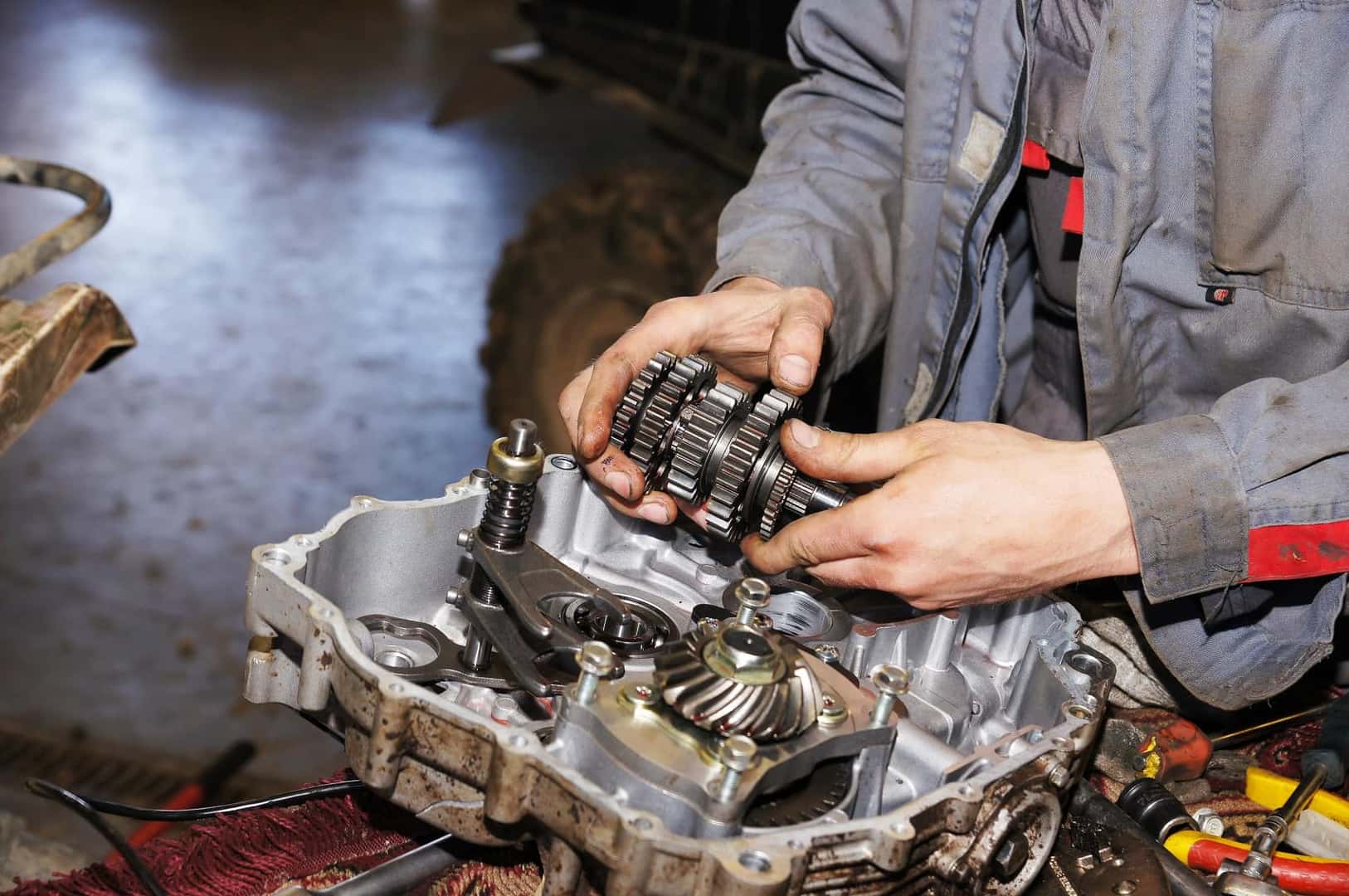
Volkswagen DSG transmission problems commonly include harsh shifting, loss of power, shuddering during gear changes, and failure to engage gears, often due to mechatronics unit wear, clutch pack degradation, or faulty solenoids in 6-speed and 7-speed models.
Why is my VW DSG transmission shifting harshly or jerking?
Harsh shifting in VW DSG transmissions happens when the dual-clutch system can’t engage or disengage smoothly. This leads to jerky movements especially in 1st to 2nd gear.
This is a hallmark symptom in models like the Golf GTI MK6, Jetta, and Passat from 2008-2014 with the DQ250 6-speed DSG. Dealerships often blame driver error or fluid condition first, but the root is usually internal wear.
In the real world, I’ve seen this dozens of times: the mechatronics unit’s electro-hydraulic valves stick from contaminated fluid or solenoid failure. This causes delayed or abrupt shifts.
Independent shops misdiagnose it as a full clutch replacement, quoting $3,000+. However, a targeted solenoid swap or adaptation reset fixes it for under $500.
Common Causes of Harsh Shifting in DSG
- • Mechatronics unit failure: Accumulator springs weaken, pressure drops, and clutches slam into gear.
- • Clutch pack wear: Friction material degrades after 60,000-100,000 miles, especially if towed or in stop-go traffic.
- • Low or dirty fluid: DSG fluid darkens and loses viscosity, common if not changed every 40,000 miles.
- • Solenoid issues: Electrical faults in shift solenoids mimic bigger problems.
Step-by-Step DIY Diagnosis for Harsh Shifting
- Scan for codes: Use VCDS or OBDeleven to look for P17BF (gear selector lever), P0841 (pressure sensor), or P177F (hydraulic pressure).
- Check fluid: Warm up transmission to 35-45°C and pull the dipstick (on DQ250); fluid should be red and not burnt-smelling.
- Road test: Note if jerking occurs in D/S mode or reverse and log RPM drops during shifts.
- Inspect for leaks: Look around the mechatronics pan or valve body for signs of fluid loss.
Model-Specific Fixes for Harsh Shifting
| Model/DSG Type | Fix Priority | Cost Estimate (DIY vs Shop) |
|---|---|---|
| Golf/Jetta DQ250 (6-speed) | Fluid change + adaptation reset | $200 DIY / $600 shop |
| Audi A3 DQ200 (7-speed dry) | Clutch pack replacement | $1,200 DIY / $3,500 shop |
| Tiguan DQ381 (7-speed wet) | Mechatronics solenoid kit | $800 DIY / $2,000 shop |
Start with a fluid flush using VW G 052 529 A2 spec fluid—don’t use generic ATF. Then run a basic settings adaptation via VCDS (channel 01 for clutches).
If codes persist, drop the pan to inspect the filter. Black fuzz in the pan usually means the clutches are shedding material.
VW DSG transmission not shifting gears or stuck in limp mode?
Your VW DSG won’t shift if the transmission control module (TCM) detects a fault and enters limp mode. This often limits the car to 3rd gear or parking only.
This hits the DQ250 hard after 80,000 miles, with owners reporting sudden power loss on highways. Dealerships push full reman units at $5,000-$7,000, but 80% of cases are fixable cheaper.
From shop experience, limp mode triggers from sensor mismatches or hydraulic pressure loss, not always a dead transmission. Indies often overlook TCM software updates, quoting unnecessary overhauls.
Primary Causes of No-Shift Limp Mode
- 1. Temperature sensor failure: Faulty sensor reads overheating and locks out shifts.
- 2. Selector lever position sensor: Misreads gear position; P17BF code is common here.
- 3. Pressure issues: Leaking accumulators or pump failure in the mechatronics unit.
- 4. Wiring harness chafing: Common under the hood, causing intermittent electrical signals.
DIY Steps to Fix Limp Mode
- Clear codes: Use a scanner and drive test to see if it recurs—intermittent issues usually mean wiring.
- Check battery: DSG hates low voltage; test for 12.6V+ key off and 14V+ while running.
- Access TCM: Use VCDS to measure group 060 for clutch pressures, which should hold 10-15 bar.
- Check fuses: Replace inline fuse #15 behind the battery if it has blown from shorts.
- Software update: Check for TCM updates via dealer or ElsaWin to fix DQ200 glitches.
For DQ200 dry clutch models like the early MK7 GTI, limp mode often ties to clutch actuator wear. Replace the fork assembly before committing to a full clutch job.
What causes DSG transmission shudder or vibration in VW?
DSG shudder feels like driving over rumble strips during 1-2 upshifts or reverse. This is caused by clutch slippage from worn friction discs.
DQ200 dry clutches fail fastest at 40,000-60,000 miles in hot climates or aggressive driving. Shops quote $4,000+ rebuilds, ignoring that carbon buildup from bad fluid causes 50% of cases.
Owners on forums swear by clutch packs lasting 150k with proper maintenance. However, OEM tolerances are tight—any glazing leads to vibes.
Shudder Causes by Clutch Type
- • Dry clutch (DQ200): Fork wear or carbon dust buildup causes the clutches to slip.
- • Wet clutch (DQ250): Oil starvation or contaminated ATF erodes the internal plates.
- • Valve body glitches: Slow solenoid response causes vibrations during gear engagement.
DIY Shudder Diagnosis and Repair
- Stall test: Hold the brake and rev to 2500 RPM in D; an RPM climb without speed means slip.
- Drain fluid: Drop the pan; DQ250 will show metal shavings, while DQ200 needs clutch cover removal.
- Clean: Use DSG cleaner spray and reinstall a new filter.
- Adapt clutches: Use VCDS basic settings, channel 060/062, with throttle steady at 1500 RPM.
- Replace: If persistent, replace clutches using OEM or LuK kits with a 40Nm torque spec.
Common VW DSG mechatronics unit failure symptoms and fixes
Mechatronics fails with erratic shifts, no reverse, or flashing PRNDS, costing $1,500-$2,500 OEM. DQ250 units crack internally from pressure spikes, while DQ200 actuators often seize.
Dealers replace the whole unit, but savvy shops rebuild them for around $800. The real fix rate jumps if you test solenoids first—resistance should be 5-10 ohms each.
Mechatronics Testing Steps
- Test pins: Remove the pan, disconnect the harness, and test with a multimeter per the Bentley manual.
- Check accumulators: Pressurize to 15 bar and listen carefully for leaks.
- Swap solenoids: If they are out of spec, replacement kits are available for about $200.
- Reflash: Always reflash the TCM after any mechatronics repair.
How to perform DSG transmission fluid change and reset
Change DSG fluid every 40,000 miles to prevent 90% of failures. Use 1.7L for DQ200 and 5.5-7L for DQ250.
Skip the dealer’s $400 service; you can DIY in 2 hours with a drain/refill tool. Warm to 35°C, drain via the plug, replace the filter, and refill.
DSG transmission overheating warning: Causes and prevention
Overheat warnings trigger from a clogged cooler or fan failure, which can cook the clutches. Prevent this with an external cooler upgrade, especially for tuned cars.
Prevention Tips
- • Install a temp gauge: Monitor real-time heat during performance driving.
- • Avoid towing: Do not tow heavy loads without an auxiliary cooler.
- • Flush yearly: Consider annual flushes if you live in a very hot climate.
FAQ
Can I drive with DSG warning light on?
Only short distances to a shop; limp mode protects the system but risks full failure. Tow the vehicle if no gears engage.
Is DSG reliable after 100,000 miles?
Yes, with fluid changes and adaptations; many hit 200k without issues. Maintenance is the deciding factor.
Difference between DQ200 and DQ250 problems?
DQ200 dry clutches wear faster but are cheaper to fix. DQ250 wet clutches last longer, but mechatronics repairs cost more.
Will VW warranty cover DSG repairs?
Extended warranties up to 10yr/150k miles exist for some models. Check Technical Service Bulletins (TSBs) for your specific VIN.
In summary, VW DSG problems stem from known OEM weaknesses like mechatronics wear and clutch slip. Proactive maintenance and targeted DIY diagnostics save thousands over dealer rip-offs. Scan early, change fluid religiously, and adapt after every service—your DSG can outlast the car with these steps.
Leave a Reply