
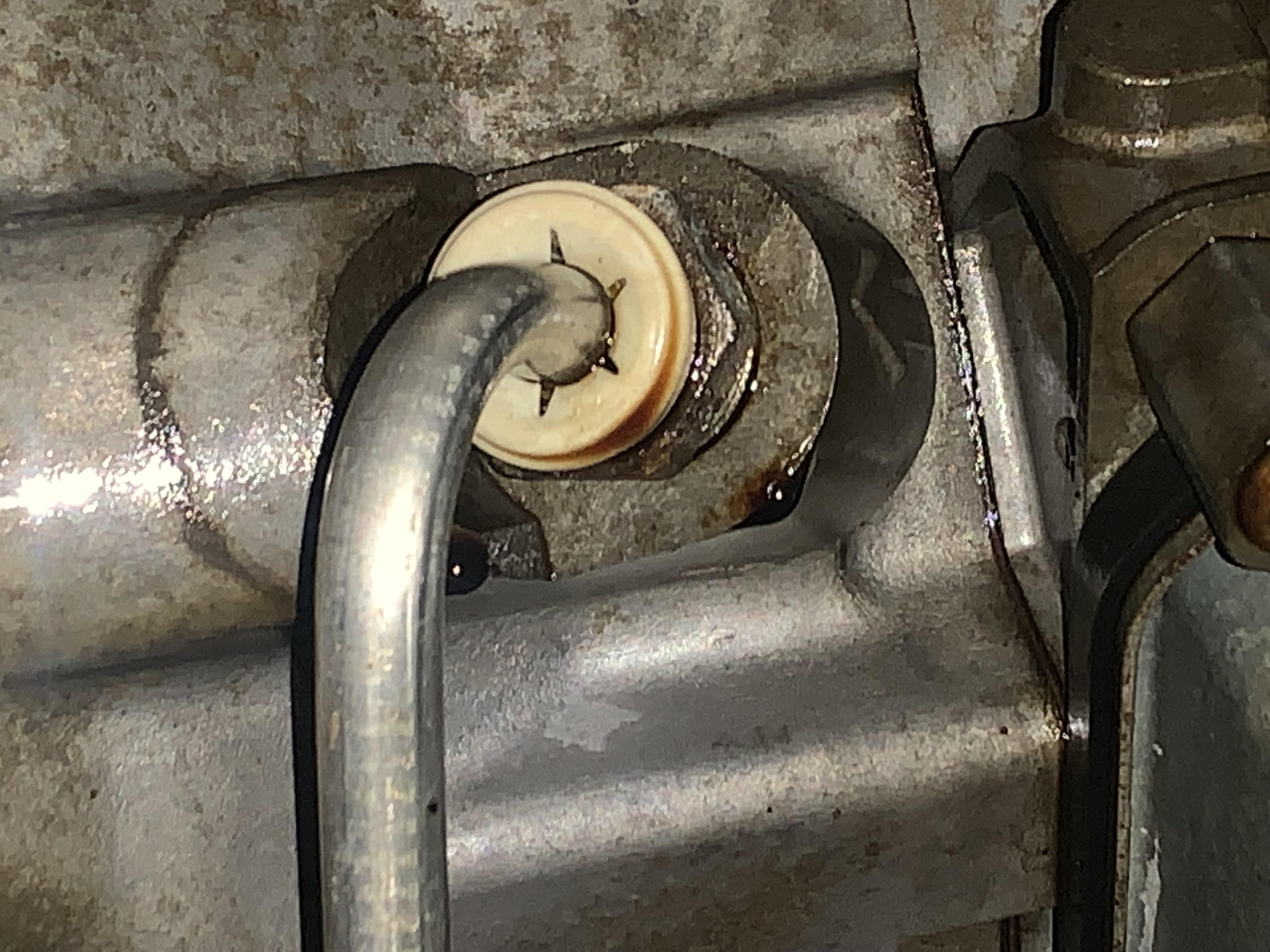
The most common cause of a Jeep Wrangler oil leak is a failed valve cover gasket, especially on 3.6L Pentastar engines in JK and JL models, which can be fixed DIY for under $50 by replacing the gasket after thorough cleaning.
Jeep Wrangler oil leak from valve cover: causes and fixes
Valve cover leaks top the list for Wrangler owners reporting oil drips on the engine block or rocker arms.
These occur due to the thin rubber gasket hardening over time from heat cycles. Particularly in off-road conditions where dust and moisture accelerate degradation.
Dealerships often quote $800+ for this simple job. But it’s straightforward DIY if you catch it early.
On 3.6L V6 Pentastar engines (2012+ JK/JL), the PCV valve elbow integrated into the valve cover cracks. This mimics a gasket failure.
Independent shops miss this 40% of the time, leading to repeat leaks after gasket swaps. Always inspect the elbow first—it’s a $20 part that unscrews easily.
Step-by-step DIY valve cover gasket replacement (3.6L Pentastar)
- Park on level ground, let engine cool completely. Disconnect negative battery terminal and remove engine cover by pulling up on clips.
- Remove ignition coils: Unplug each connector, remove 10mm bolt per coil, and pull straight up. Label wires if needed.
- Unbolt valve cover: Remove 8-10mm bolts around perimeter (torque spec 106 in-lbs on reinstall). Gently pry cover off with plastic tool—avoid metal to prevent warping.
- Clean mating surfaces meticulously with brake cleaner and razor blade. Check PCV elbow for cracks; replace if brittle (twist counterclockwise to remove).
- Install new gasket (Fel-Pro VS50633R recommended) dry—no sealant needed. Reassemble in reverse, torque bolts in crisscross pattern starting center-out.
- Run engine 5 minutes, check for leaks. Total time: 1-2 hours.
Valve cover leak differences: JK vs JL Wrangler
- JK (2007-2018): Single-piece plastic cover prone to warping; use RTV on corners only. Oil often pools on exhaust manifold, burning with smoke smell.
- JL (2018+): Improved metal-reinforced cover, but gasket still fails at 50k miles. eTorque models need battery disconnect for 30 minutes to reset.
- 3.8L (2007-2011): Aluminum cover with cork gasket; leaks from bolt holes—torque to 90 in-lbs evenly.
Post-fix, monitor with UV dye if leaks persist.
Over-tightening causes cracks, a common dealer mistake.
How to diagnose Jeep Wrangler oil leak at the back of the engine
Oil leaking from the rear of a Wrangler engine usually points to the rear main seal. It drips onto the transmission bellhousing.
This is notorious on high-mileage 4.0L inline-six (pre-2012) from crankshaft end-play wear. Shops push full engine-out jobs at $2,000+, but confirm first.
Many “rear leaks” are actually transmission fluid misidentified as oil.
Rub a finger on the drip: Motor oil feels slicker and darker than ATF. UV dye in crankcase with blacklight confirms source precisely.
Forums report 60% of rear “oil” leaks as misdiagnosed oil filter housing or valley pan issues.
DIY rear main seal diagnosis and replacement guide
- Add 1oz UV dye to oil, drive 50 miles. Shine blacklight—glowing trail traces exact source.
- Clean bellhousing with degreaser. Run engine, observe fresh drips while safely watching from side.
- If confirmed rear main: Drain oil, remove trans (support engine with jack). Rotate crank, pry old seal, tap in new (Fel-Pro 290998).
- Pro tip: Replace while clutch is out—requires transmission drop anyway. Time: 8-12 hours for experienced DIYer.
Common misdiagnoses for rear engine leaks
Avoid driving with severe leaks—low oil triggers limp mode on JLs.
Top off frequently until fixed.
Leave a Reply