
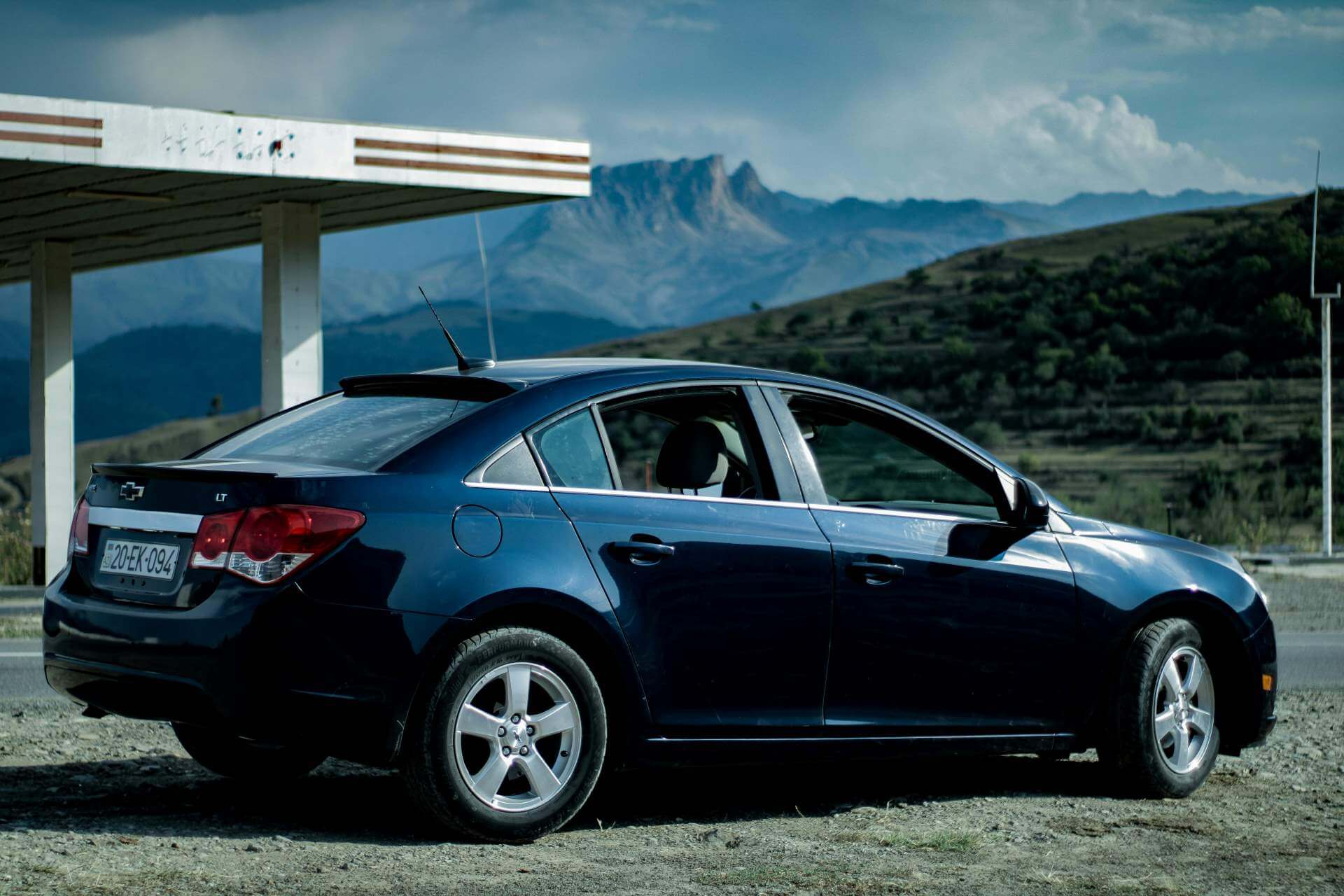
The Chevrolet Cruze has below-average reliability, particularly the 2011–2015 first-generation models. The most common and costly failures include water outlet housing leaks, turbocharger failures, PCV system defects, and automatic transmission problems.
While the 2016–2019 second-generation Cruze improved in several areas, it still carries known weak points that owners should monitor closely. With proactive maintenance and awareness of known failure points, many Cruzes can reach 150,000–200,000 miles, but ignoring early warning signs almost always leads to expensive repairs.
What Are the Most Common Chevy Cruze Problems?
The Cruze is plagued by a handful of well-documented failures that repeat across thousands of owner reports. These are not random breakdowns — they are engineering weaknesses that show up consistently at predictable mileage intervals.
1. Water Outlet Housing and Thermostat Failures
This is the number one Cruze killer. The plastic water outlet housing on the 1.4L turbo engine cracks and leaks coolant, often between 50,000 and 80,000 miles.
Owners frequently report puddles of orange or green coolant under the car with no obvious source until the housing is inspected closely.
- The OEM plastic housing warps from heat cycling and eventually develops hairline cracks.
- A full coolant loss event can cause engine overheating and head gasket failure if not caught immediately.
- Aftermarket aluminum replacement housings are widely available and are the preferred permanent fix.
- Replacing the thermostat at the same time is strongly recommended since it sits in the same assembly.
2. PCV Valve and Valve Cover Gasket Issues
The integrated PCV system in the 1.4L turbo engine is a known design flaw. When the PCV valve fails, it creates excessive crankcase pressure that pushes oil past the valve cover gasket and causes oil leaks around the ignition coil area.
- Symptoms include a rough idle, check engine light with lean codes, oil on the spark plug wells, and a whistling or hissing noise from the engine.
- The valve cover on these engines has the PCV valve built in, so the entire cover must be replaced — you cannot just swap the valve separately.
- Some owners install an external PCV fix kit to bypass the integrated system and prevent repeat failures.
- If left unaddressed, the excess crankcase pressure can blow out the rear main seal, turning a cheap repair into a transmission-drop job.
3. Turbocharger Failures
The 1.4L turbocharged engine in most Cruzes uses a small, highly stressed turbo that is prone to shaft play, wastegate rattle, and oil starvation. Failures commonly appear between 80,000 and 120,000 miles.
- Watch for a loss of boost, excessive exhaust smoke, a loud whining or siren-like noise from the engine, and oil consumption.
- Using the wrong oil viscosity or extending oil change intervals accelerates turbo wear significantly.
- Always use full synthetic 5W-30 oil and change it every 5,000 miles maximum — not the 7,500-mile interval some dealers recommend.
- Check and replace the turbo oil feed line and return line if they are clogged or restricted when replacing the turbo.
4. Automatic Transmission Problems (First Generation)
The six-speed automatic in the 2011–2015 Cruze is known for harsh shifting, shuddering between 30–50 mph, and premature failure of the valve body. Many owners report these symptoms appearing around 70,000–100,000 miles.
- Transmission fluid and filter changes every 40,000 miles can delay or prevent many of these issues.
- Some shuddering cases are caused by torque converter wear rather than internal transmission failure — these can sometimes be resolved with a fluid exchange and updated calibration.
- If the transmission is slipping or throwing hard codes, a full rebuild or replacement is usually the only option, with costs ranging from $2,500 to $4,500.
Which Chevy Cruze Years Should You Avoid?
Based on owner complaints, warranty claim data, and NHTSA reports, certain model years have significantly higher failure rates than others. Choosing the right year can mean the difference between a reliable daily driver and a money pit.
| Model Year | Reliability Rating | Key Issues |
|---|---|---|
| 2011 | Poor | Transmission failures, engine stalling, electrical gremlins |
| 2012 | Poor | Water outlet leaks, turbo issues, AC compressor failures |
| 2013 | Below Average | PCV system defects, coolant leaks, transmission shudder |
| 2014 | Below Average | Persisting turbo and cooling system problems |
| 2015 | Average | Improvements made but still shares core 1.4T weaknesses |
| 2016–2017 | Average | New platform, fewer critical failures, some turbo concerns remain |
| 2018–2019 | Above Average | Best years for the Cruze, diesel option available, most issues resolved |
How Long Does a Chevy Cruze Last With Proper Maintenance?
A well-maintained Chevy Cruze can last between 150,000 and 250,000 miles, but reaching that range requires staying ahead of known failure points rather than reacting to breakdowns.
Critical Maintenance Schedule for Longevity
- Oil changes: Every 5,000 miles with full synthetic 5W-30. Never exceed this, especially on the turbo engine.
- Coolant system inspection: Every 30,000 miles. Check the water outlet, hoses, and thermostat housing for leaks or swelling.
- Transmission fluid service: Every 40,000 miles for automatic models. Use only the OEM-specified Dexron VI fluid.
- Spark plugs: Every 45,000–60,000 miles. Use the correct AC Delco iridium plugs — wrong heat range plugs cause misfires on these engines.
- PCV system check: Every 30,000 miles. Listen for hissing sounds and check for oil in the spark plug wells.
- Drive belt and tensioner: Replace every 60,000 miles or at the first sign of cracking or squealing.
Is the Chevy Cruze Diesel More Reliable Than the Gas Version?
The Cruze diesel (2014–2015 and 2017–2019 models) uses a 1.6L or 2.0L turbo-diesel engine that is generally more robust than the 1.4L gas turbo. However, it comes with its own set of expensive maintenance requirements.
- The diesel engine itself is long-lived and can exceed 300,000 miles with proper care.
- Diesel particulate filter (DPF) regeneration issues are the most common complaint — frequent short trips will clog the DPF and trigger warning lights.
- DEF (diesel exhaust fluid) system failures can trigger limp mode and cost $1,000+ to repair.
- Fuel filter replacement every 30,000 miles is critical and often overlooked by owners coming from gas vehicles.
- Overall, if you drive highway miles and stay current on diesel-specific maintenance, the diesel Cruze is the most reliable version of the car.
Should You Buy a Used Chevy Cruze?
A used Cruze can be a smart buy if you target the right year, verify maintenance history, and budget for the known weak points. The depreciation on these cars is steep, which means you can find well-equipped examples for very low prices.
Pre-Purchase Inspection Checklist
- Pull the dipstick and check oil condition and level. Dark, gritty oil suggests neglected maintenance.
- Look under the car for coolant drips or stains around the water outlet and thermostat area.
- Start the engine cold and listen for turbo whine, rough idle, or hissing from the PCV area.
- Test drive at highway speeds and pay attention to transmission shift quality between 30–50 mph.
- Check the coolant reservoir — milky residue or oil film in the coolant suggests a failing head gasket or oil cooler leak.
- Ask for service records showing regular oil changes and any cooling system or transmission work.
Frequently Asked Questions
Is the Chevy Cruze expensive to maintain?
The Cruze has average maintenance costs for its class, but unexpected repairs on the cooling system and turbo can add up quickly. Budget approximately $600–$900 per year for routine maintenance, and set aside a repair fund for the known failure points described above.
Does the Chevy Cruze hold its value?
No. The Cruze depreciates faster than most competitors like the Honda Civic and Toyota Corolla. While this is bad for first owners, it means used Cruzes offer strong value for buyers willing to handle minor repairs.
Is the Chevy Cruze good for long road trips?
If the cooling system and turbo are in good condition, the Cruze is comfortable and fuel-efficient for highway driving. However, always carry extra coolant and monitor the temperature gauge on extended trips, especially on 1.4T models with over 80,000 miles.
Can you modify a Chevy Cruze for more power?
The 1.4T responds well to a tune, downpipe, and intake upgrades, which can safely push power from 138 hp to around 170–180 hp. However, pushing beyond that without upgraded internals and a larger turbo puts stress on the already fragile cooling and PCV systems.
Final Verdict on Chevy Cruze Reliability
The Chevy Cruze is a car that rewards informed owners and punishes neglect. If you understand its known weaknesses — the cooling system, PCV design, and turbo maintenance demands — and you stay ahead of them with proactive service, the Cruze can be a dependable and affordable commuter.
But if you treat it like a Honda Civic and skip maintenance, expect to face expensive failures well before the 100,000-mile mark. The best strategy is to target a 2016–2019 model, verify its service history thoroughly, and immediately address any of the common failure points if they have not already been repaired with updated parts.
Leave a Reply