
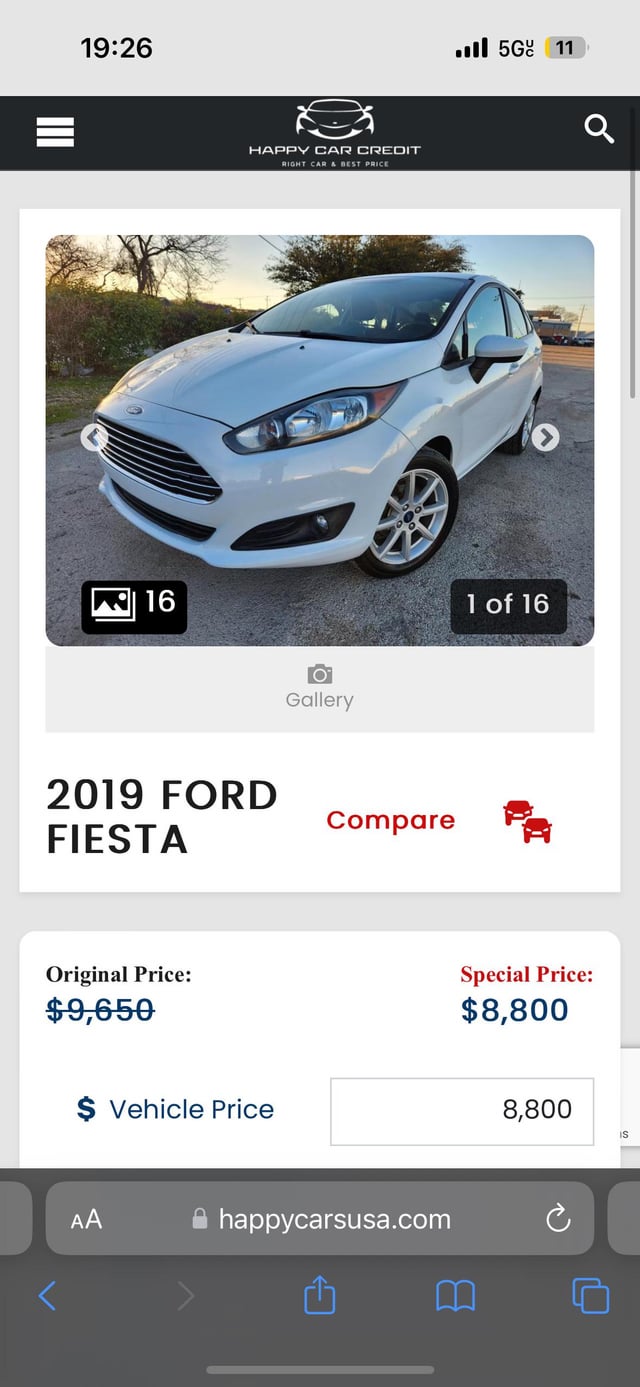
Ford Fiestas offer decent reliability in manual transmission versions from 2011 onward when properly maintained, but automatic models with the Powershift transmission frequently develop expensive failures that dealerships often misdiagnose as simple clutch wear.
What Are the Most Common Ford Fiesta Problems Reported by Owners?
Ford Fiesta owners repeatedly encounter transmission failures, engine coolant intrusion, and electrical glitches. These issues are sometimes overlooked by independent shops in favor of cheaper sensor replacements.
Transmission Failures in Automatic Models
The Powershift dual-clutch unit in 2011-2016 Fiestas suffers from shuddering, slipping, and complete loss of drive due to faulty clutch packs and software calibration. Owners notice jerking between first and second gear during light acceleration, followed by warning lights within 40,000 miles.
Dealerships may quote a full transmission replacement at $4,500. However, independent shops can often rebuild the clutch assembly for under $2,200 if the problem is caught early.
1.0 EcoBoost Engine Coolant Leaks
The three-cylinder EcoBoost engine develops head gasket failures that allow coolant into the cylinders, producing white smoke and misfires. This issue appears most often between 60,000 and 90,000 miles on 2014-2019 models.
Technicians frequently replace spark plugs and coils first, missing the root cause. Compression testing is usually required to reveal the leak.
Electrical and Sensor Gremlins
Faulty battery management modules and door latch sensors cause random warning lights and no-start conditions. These problems surface after 80,000 miles when corrosion builds in the wiring harness near the firewall.
A simple multimeter test of battery voltage under load reveals the true status. This helps determine whether the module needs reprogramming or full replacement.
Which Ford Fiesta Years Are Most Reliable?
Certain model years avoid the worst factory defects and deliver higher mileage with routine care. Below is a breakdown of the reliability expectations by year range.
| Model Year Range | Reliability Status |
|---|---|
| 2011-2013 | Highest rate of Powershift complaints; TCM issues. |
| 2014-2016 | Revised clutch material; core design flaws remain. |
| 2017-2019 | Most dependable automatics; Manual is strongest choice. |
2011-2013 Models
These early sixth-generation cars suffer the highest rate of Powershift complaints. The original clutch calibration software causes rapid wear.
Updating the transmission control module software at a Ford dealer can extend life. However, many units still require clutch replacement by 50,000 miles.
2014-2016 Models
Revised clutch material improved durability slightly, yet the core design flaw remained. Owners report better results when fluid is changed every 30,000 miles instead of following the sealed-for-life recommendation.
Checking for updated clutch part numbers during service is a key preventative step. This helps avoid repeat failures later in the car’s life.
2017-2019 Models
Ford finally addressed some software issues, making these years the most dependable automatics. Manual transmission versions from this range remain the strongest choice for longevity.
These models often exceed 180,000 miles without major repairs. This is especially true when timing belts are replaced at the 100,000-mile mark.
How Can Owners Diagnose Ford Fiesta Transmission Issues Themselves?
Early detection prevents costly breakdowns and helps owners avoid unnecessary dealer quotes. Follow these diagnostic steps:
- Step 1: Park on level ground, start the engine, and shift through all gears while monitoring for delay or clunking.
- Step 2: Connect an OBD-II scanner capable of reading transmission codes and look for P07xx series faults related to clutch position.
- Step 3: Perform a test drive noting RPM flare during upshifts under light throttle.
- Step 4: Inspect transmission fluid condition through the fill plug if accessible; burnt smell or dark color indicates clutch material contamination.
What Maintenance Steps Extend Ford Fiesta Longevity?
Transmission Fluid Service
Change the Powershift fluid and filter every 30,000 miles using the correct Ford specification fluid. This procedure requires a scan tool to perform the clutch adaptation relearn afterward.
Shops that skip the adaptation step often leave owners with persistent shudder. Proper calibration is essential for smooth operation.
Coolant System Pressure Testing
Test the cooling system at 16 psi annually on EcoBoost models. Early detection of head gasket seepage allows for proactive head machining or replacement before cylinder damage occurs.
Suspension and Bushing Inspection
Rear trailing arm bushings wear quickly on Fiestas driven on rough roads. Replace them at the first sign of clunking over bumps to maintain alignment and tire life.
Should You Buy a Used Ford Fiesta?
Used Fiestas can represent good value when buyers focus on service history rather than mileage alone. Verify the transmission type first, as manual cars require significantly less scrutiny.
For automatics, request service records showing fluid changes and any clutch work. A pre-purchase inspection must include a compression test and transmission code scan.
Avoid examples with accident history or multiple owners who skipped maintenance. These factors often lead to compounding mechanical issues.
FAQ
How many miles can a Ford Fiesta realistically last?
Well-maintained manual Fiestas commonly reach 200,000 miles. Automatic versions average 120,000-150,000 miles before major transmission work becomes necessary.
Is the Ford Fiesta expensive to insure and maintain?
Insurance rates remain moderate due to the car’s small size and low value. Maintenance costs rise sharply once the original warranty expires if the transmission requires attention.
Can I fix the Powershift transmission myself?
Clutch replacement requires specialized tools and transmission removal. Most owners hand this job to shops experienced with Ford dual-clutch units rather than attempting it at home.
Do Ford Fiestas hold their value well?
Depreciation accelerates after 100,000 miles, especially on automatic models with known issues. Clean manual examples retain value better among enthusiasts seeking affordable performance.
What should I do if my Fiesta is stuck in limp mode?
Pull over safely, restart the vehicle, and scan for codes immediately. Continuing to drive risks further clutch damage and higher repair bills.
The Ford Fiesta rewards owners who research specific years and stay ahead of maintenance, but skipping transmission service or ignoring early warning signs leads to expensive repairs that outweigh the car’s original purchase price.
Leave a Reply