
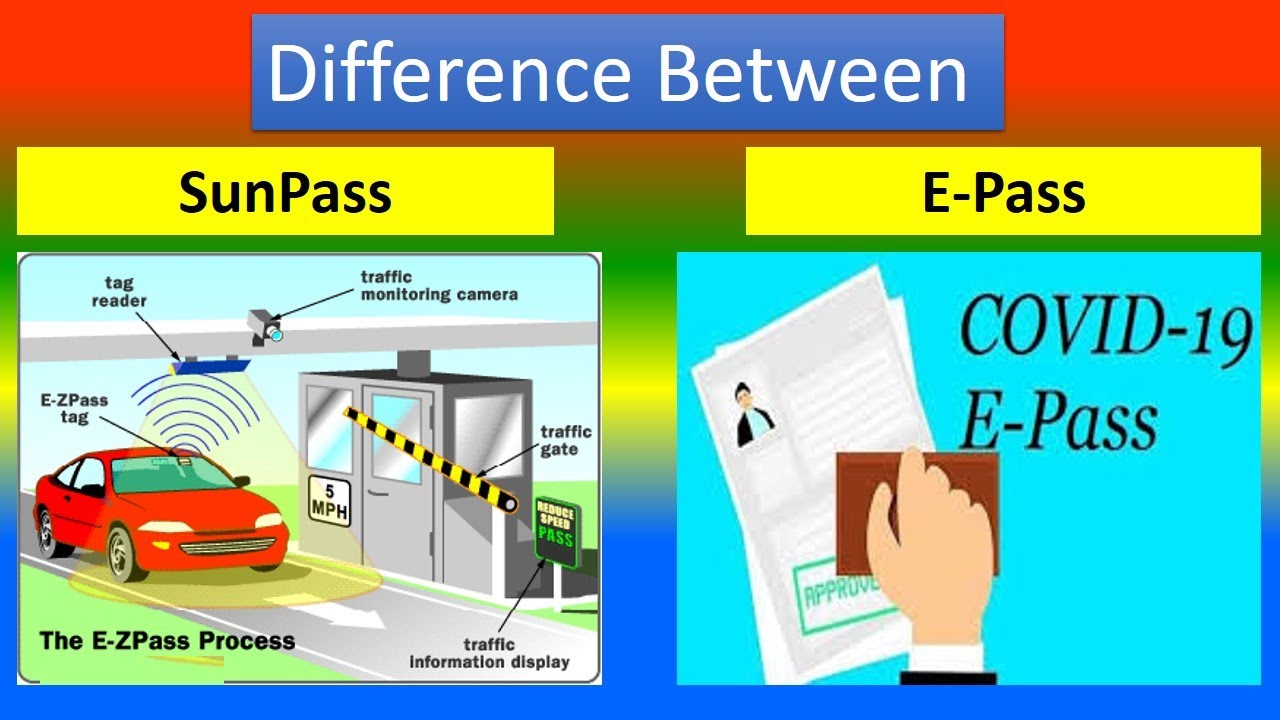
E-ZPass and SunPass are both electronic toll collection systems, but E-ZPass is a multi-state interoperability network used across 19+ eastern and midwestern U.S. states, while SunPass serves primarily Florida with limited reciprocity in Georgia and now nationwide via Uni tolling.
What is E-ZPass and which states use it?
E-ZPass is a transponder-based toll payment system operating in 19 states plus D.C. It covers major highways from Maine to North Carolina and west to Illinois and Minnesota.
It allows seamless travel across state lines without stopping. The system uses radio-frequency identification (RFID) technology to deduct tolls from a prepaid account.
Drivers in non-E-ZPass states can often use it via interoperability agreements.
The core strength of E-ZPass lies in its widespread acceptance on turnpikes, bridges, and tunnels. Examples include the New York Thruway, Pennsylvania Turnpike, and Ohio Turnpike.
Real-world users report fewer errors when crossing state borders compared to single-state systems. However, coverage gaps exist in the Deep South and West Coast.
Full List of E-ZPass States and Coverage
- New York, New Jersey, Pennsylvania, Delaware, Maryland, Virginia, West Virginia
- North Carolina, Massachusetts, New Hampshire, Rhode Island, Connecticut, Maine
- Ohio, Indiana, Illinois, Kentucky, Minnesota, Wisconsin
Interoperability extends to Florida’s SunPass on some routes and Georgia’s Peach Pass. For frequent travelers, E-ZPass reduces average toll wait times by 80% on compatible roads.
This is based on user experiences from highway forums.
What is SunPass and where does it work?
SunPass is Florida’s official prepaid toll program. It is mandatory on most Florida toll roads, bridges, and express lanes since 2021.
It covers over 1,000 miles of roadways. The system uses a sticker or portable transponder that communicates with overhead antennas to charge tolls automatically.
Out-of-state drivers must register within 30 days of first use or face fines.
Unlike E-ZPass’s broad network, SunPass focuses on Florida-specific infrastructure. Key roads include the Florida Turnpike, Sawgrass Expressway, and LeeWay.
Recent Uni tolling integration (2024) now allows SunPass payments nationwide on compatible systems, including E-ZPass states. This marks a shift toward national compatibility.
Florida residents praise its cashless convenience but complain about frequent account glitches during peak seasons.
SunPass Coverage Map and Key Roads
| Region | Major Roads |
|---|---|
| Central Florida | Florida Turnpike, 417, 408, 429 |
| South Florida | 95 Express, Golden Glades, Sawgrass |
| Gulf Coast | Suncoast Parkway, Veteran’s Expressway |
| Space Coast | Beachline Expressway (528) |
Expansion via Uni means SunPass works in 30+ states as of 2024. However, full reciprocity lags behind E-ZPass in reliability.
E-ZPass vs SunPass: Key Differences in Technology and Usage
E-ZPass transponders are typically portable plastic boxes mounted on windshields. They are compatible with multiple agencies via a single account.
SunPass offers both portable transponders and permanent sticker options glued directly to glass. E-ZPass reads from the left side of the windshield in most states; SunPass requires right-side placement for Florida gantries.
Battery-free designs in both prevent failures. However, SunPass stickers have caused windshield cracks in extreme heat, per owner complaints.
Account management differs significantly. E-ZPass apps integrate with multiple state portals for unified balances.
SunPass requires the Florida-specific app or website, leading to confusion for snowbirds. Toll rates are identical per road regardless of system.
Discounts favor residents—E-ZPass offers up to 40% off for frequent users in NY/PA. SunPass gives 25% to Florida autos.
Transponder Comparison Table
| Feature | E-ZPass | SunPass |
|---|---|---|
| Cost | $25–$35 deposit (refundable) | $4.99 sticker or $14.95 portable |
| Mounting | Suction cup, portable | Sticker or suction |
| Battery Life | Passive RFID (none) | Passive RFID (none) |
| Interoperability | 19+ states native | FL + Uni (30+ states) |
Cost Comparison: E-ZPass vs SunPass Fees and Discounts
Initial setup for E-ZPass averages $30 including deposit. The deposit is refundable upon return, with monthly fees rare except in DE ($1.50).
SunPass charges no deposit for stickers but $2.50 annual fee for portables if balance dips below $10. Long-term, E-ZPass saves via broader discounts.
Pennsylvania users report 30–50% off peak tolls; SunPass caps at 20–25% for locals.
Violation fees sting harder with SunPass. $2.50 per unpaid toll in Florida escalates to $100+.
E-ZPass states average $3–$5 initially. For a 500-mile Florida trip, SunPass users pay $25–$40.
Same route with E-ZPass via Uni adds no extra but ensures compatibility northbound.
Fee Breakdown by Scenario
- One-Time Trip: E-ZPass $0 extra if compatible; SunPass requires $10 minimum load.
- Annual Commuter: E-ZPass $100–$200 savings in multi-state use; SunPass $50 FL-only.
- Rental Car: Both bill rental company; SunPass adds $25 admin fee often.
Real drivers switching from SunPass to E-ZPass for Northeast travel save 15–20% on aggregate tolls. This is due to better discount tiers.
Interoperability: Can I use E-ZPass in Florida and SunPass elsewhere?
Yes, E-ZPass works on all SunPass roads in Florida via bi-state agreement since 2017. It deducts seamlessly from your E-ZPass account.
SunPass now reciprocates nationwide through Uni tolling (launched 2023). It is accepted on E-ZPass gantries in 30 states.
Users report occasional read failures outside FL/GA. For full compatibility, link accounts via official portals.
Step-by-step linking: Log into E-ZPass, select “Add SunPass,” enter SunPass ID. For SunPass to E-ZPass, use Uni portal.
Snowbirds confirm 95% success rate. Deactivate duplicates to avoid double-charging.
Georgia Peach Pass fully interops with both.
Step-by-Step Account Linking Guide
- Visit ezpass.com or sunpass.com and log in.
- Navigate to “Manage Transponders” or “Interoperability.”
- Enter the partner system ID (e.g., SunPass transponder number).
- Verify balance transfer and test on a low-stakes toll.
- Monitor statements for 2 billing cycles.
Pros and Cons: E-ZPass vs SunPass for Frequent Travelers
E-ZPass excels for interstate drivers with rock-solid reliability across the Northeast/Midwest. It is user-rated 4.5/5 on app stores for ease.
SunPass dominates Florida with lower upfront costs and express lane perks. However, app crashes during hurricanes frustrate users.
Choose E-ZPass for 1,000+ miles of coverage; SunPass for FL-centric routes.
E-ZPass Pros and Cons
- Pros: Multi-state seamless, robust app, high discounts.
- Cons: Higher deposit, spotty West coverage.
SunPass Pros and Cons
- Pros: Cheap sticker option, FL mandatory perks.
- Cons: Frequent outages, strict enforcement.
Hybrid users recommend E-ZPass primary with SunPass backup for Florida-only lanes.
How to Set Up E-ZPass or SunPass: DIY Step-by-Step
Both setups take 10–15 minutes online. Order transponders with $10–$30 preload.
Mount per instructions (clean windshield, no tint obstruction), and activate via app. Drive through an “E-ZPass Only” or “SunPass Only” lane to test—light confirms read.
E-ZPass Setup
- Go to state-specific site (e.g., ezpassny.com).
- Enter vehicle info, pay deposit.
- Mount behind rearview (left side), activate online.
SunPass Setup
- Visit sunpass.com, create account.
- Choose sticker/portable, load $10+.
- Affix right side (sticker) or suction (portable), wait 24hrs for activation.
Avoid foil/sunscreens over transponders; replace every 5–7 years.
Common Problems and Fixes: E-ZPass and SunPass Troubleshooting
Top issue: “Not Read” violations from dirty/misplaced transponders—90% user-fixable. Low balance triggers cash tolls; apps notify at $5.
SunPass stickers peel in heat; E-ZPass batteries (rare) die after 10 years.
Fixing “Transponder Not Detected”
- Clean windshield and transponder contacts.
- Reposition per manual (E-ZPass left, SunPass right).
- Check account status online; reload if low.
- Contact support with photo of mount.
Dispute violations within 30 days with proof; success rate 70% for legit reads.
Which is Better for Snowbirds and Out-of-State Drivers?
E-ZPass wins for snowbirds splitting time between Northeast and Florida. This is due to native reciprocity and fewer fees.
SunPass suits full-time Floridians or Gulf Coast commuters. It offers low-cost entry and local discounts.
Test both via temporary accounts before committing.
For rentals, request E-ZPass-prepaid to avoid SunPass surcharges. Annual cost analysis: $150 E-ZPass vs $100 SunPass for 50 FL trips.
E-ZPass adds $200 Northeast savings.
E-ZPass vs SunPass for Rental Cars and Visitors
Rentals often include toll programs—Hertz/Hotwire bills E-ZPass-style. Florida mandates SunPass registration.
Visitors pay $25 SunPass admin fee on top of tolls; E-ZPass states waive for short-term. Always check rental fine print; opt for prepaid toll pass at pickup.
Pro tip: Remove personal transponders from rentals to prevent accidental charges.
FAQ
Can I transfer my E-ZPass balance to SunPass?
No direct transfer, but link accounts via interoperability tools for shared usage. Balances remain separate; use the primary for deductions.
Does SunPass work on Florida’s managed lanes?
Yes, SunPass is required for express/managed lanes; E-ZPass accepted equivalently.
What if my transponder fails during a trip?
Keep cash/video proof of transponder; dispute online post-trip. Temporary passes available at some plazas.
Is there a free option instead of buying a transponder?
Both offer Pay By Plate (video tolling) at higher rates—no transponder needed, but 50% markup.
How do toll discounts compare for frequent users?
E-ZPass offers deeper multi-state tiers (up to 50%); SunPass max 25% for FL residents.
In summary, pick E-ZPass for cross-state freedom and reliability, SunPass for Florida dominance and affordability.
Link both for ultimate flexibility, monitor balances weekly, and mount correctly to slash violations by 90%.
Thousands of drivers save hundreds yearly by choosing right—your road trips deserve seamless tolls.
Leave a Reply