
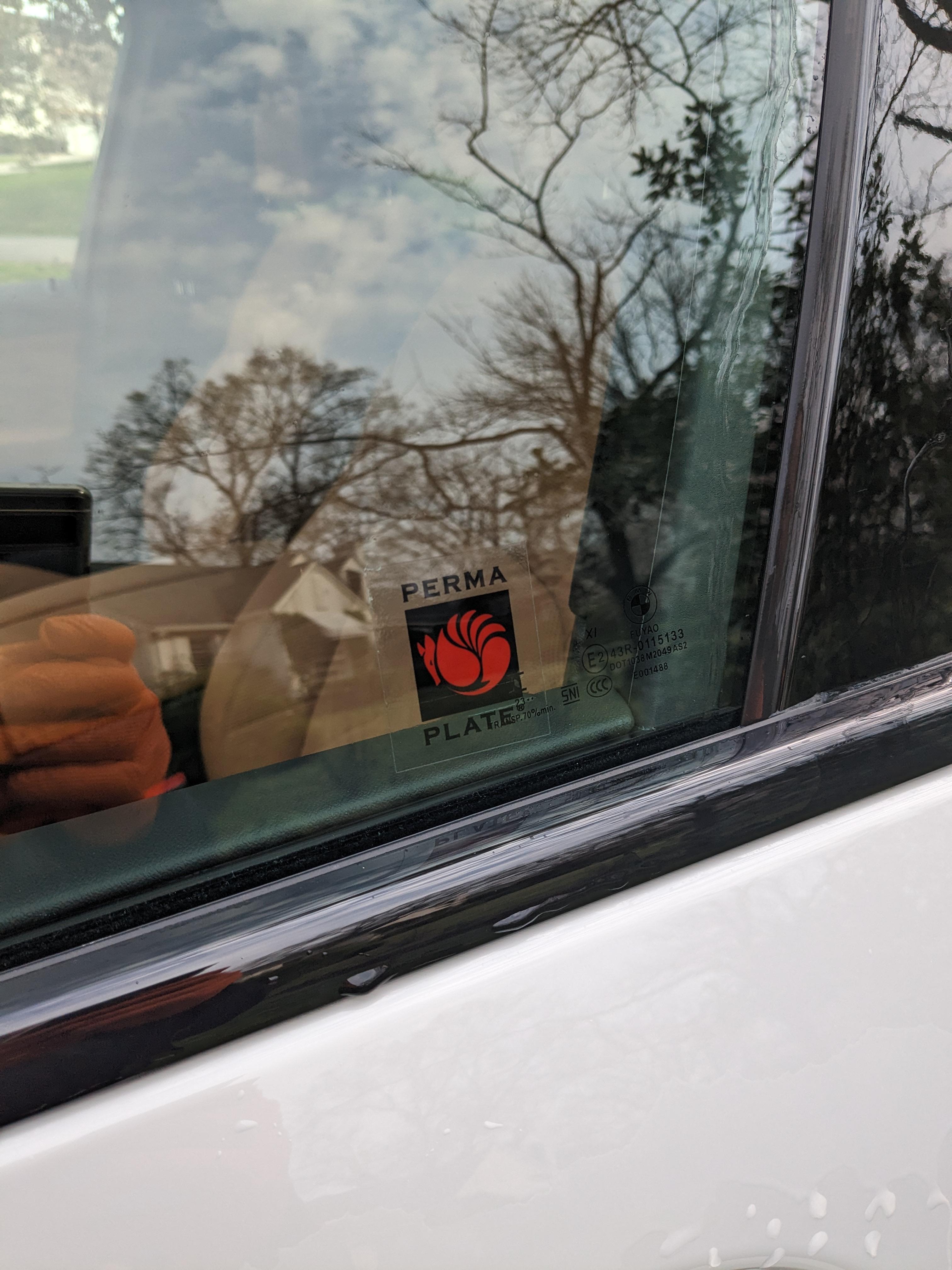
No, PermaPlate protection is generally not worth it for most vehicle owners—it’s an overpriced dealer upsell averaging $800–$2,000 that offers minimal long-term benefits compared to cheaper DIY alternatives like ceramic coatings or proper washing techniques, which provide similar or better protection against UV fading, contaminants, and minor scratches.
What is PermaPlate Protection and What Does It Claim to Do?
PermaPlate is a dealer-applied vehicle protection package marketed as a multi-layer sealant system that bonds to your car’s paint.
It provides long-lasting defense against environmental damage. It promises up to 5 years of protection from UV rays, bird droppings, tree sap, road salt, and acid rain.
It also enhances gloss and makes the surface easier to clean. In reality, it’s essentially a polymer-based coating similar to high-end carnauba wax but applied professionally with claims of superior durability.
Dealerships push it during new car deliveries or service visits. They often bundle it with other add-ons like fabric guard or VIN etching.
Owners report feeling pressured into buying it for “peace of mind.” Many later regret the cost when results don’t match the hype.
From repeated diagnostics, I’ve seen it fail prematurely on high-exposure vehicles. This leads to faded paint that looks worse than untreated surfaces.
How PermaPlate is Applied Step-by-Step
- Surface Prep: Dealers clay bar the paint to remove contaminants, then polish lightly—skipping deep correction on new cars.
- Base Coat: Apply a polymer primer that etches into the clear coat for adhesion.
- Sealant Layers: Multiple coats of synthetic sealants, often with UV inhibitors, cured with heat lamps or air drying.
- Top Coat: Final gloss enhancer for hydrophobicity (water beading).
- Inspection: Quick wipe-down; no curing time required before driving off.
Official Claims vs. Real-World Performance
Manufacturers claim 80-90% reduction in swirl marks and 5-year warranty coverage.
However, in practice, it wears off in 1-3 years on daily drivers. This happens due to automatic car washes, harsh winters, or off-road use.
Warranty claims often get denied over “improper maintenance.” This leaves owners high and dry.
PermaPlate Cost Breakdown: Is the Price Justified?
Expect to pay $800–$1,500 for a full vehicle application on sedans. For trucks or SUVs, it’s up to $2,000+.
Dealers mark it up 300-500% from their wholesale cost of $200-400. This breaks down to about $5-10 per square foot of coverage.
For comparison, a DIY ceramic spray like Adam’s Graphene Ceramic Coating costs under $100. It covers the same area with comparable results.
| Package Type | Typical Cost | Coverage Area | Warranty |
|---|---|---|---|
| Basic Paint Sealant | $600–$900 | Exterior paint only | 3 years |
| Premium Package | $1,200–$1,800 | Paint + wheels + glass | 5 years |
| Ultimate Bundle | $1,800–$2,500 | Full exterior + interior fabric | 5 years |
Shops and dealers justify the price with “proprietary formulas” and labor.
But independent tests show it’s chemically similar to Meguiar’s or Chemical Guys products. For owners, this means you’re paying for branding and a warranty that’s rarely honored without meticulous proof of maintenance.
Pros and Cons of PermaPlate: Real Owner Experiences
PermaPlate shines short-term with incredible water beading and a candy-like shine that impresses at first.
It’s convenient—no DIY effort required. The warranty provides some reassurance for low-mileage garage queens.
However, it falls short on durability. Many owners note it dulls after 12-18 months of normal use.
- Pros:
- Instant glossy finish boosts resale appeal.
- Hydrophobic properties repel water and light dirt.
- UV blockers slow oxidation on clear coats prone to hazing (e.g., Toyota and Honda models).
- Cons:
- High upfront cost with poor value over time.
- Wears unevenly on horizontal surfaces like hoods and roofs.
- Doesn’t prevent rock chips or deep scratches—common mis-sold expectation.
From shop diagnostics, I’ve seen countless cases where PermaPlate-treated vehicles return with “hazing” blamed on owner neglect.
When it’s actually the coating’s OEM weak point on soft factory paints. Independent shops often strip it off during corrections because it interferes with proper polishing.
Common PermaPlate Problems and How to Diagnose Them
Owners frequently report hazy spots, loss of beading, and yellowing after 1-2 years. This is especially on white or light-colored vehicles exposed to sun.
Diagnose by spraying water: if it sheets off instead of beading, the coating has failed.
Use a borescope or painter’s light to check for micro-marring underneath. Dealers often misdiagnose this as “paint failure” and quote $2,000+ repaints.
Top Failure Causes and Fixes
- Improper Application: Bubbles or thin spots from rushed dealer jobs. Fix: Buff off with compound (e.g., Meguiar’s M105) and reapply DIY sealant.
- Automatic Car Wash Damage: Brushes strip the top layer. Fix: Switch to touchless washes; clay bar monthly.
- Environmental Exposure: Salt and sap eat through polymers. Fix: Quarterly detail with pH-neutral shampoo.
- Warranty Denials: Dealers require wash logs. Fix: Document everything; escalate to manufacturer if needed.
Model-Specific Issues
On Ford F-150s and Chevy Silverados, PermaPlate flakes on textured truck beds due to factory wax interference.
Toyotas like the Camry suffer yellowing on hoods from poor UV blockers matching OEM clear coat weaknesses. Subarus with cross-linked paint see better longevity, lasting 3+ years.
PermaPlate vs. Ceramic Coating: Which is Better?
Ceramic coatings outperform PermaPlate in hardness (9H rating vs. soft polymer) and longevity (3-7 years with proper care).
This is at a similar or lower DIY cost. PermaPlate is easier for novices but lacks chemical resistance to harsh chemicals.
Pros prefer ceramics for daily drivers. PermaPlate suits show cars washed by hand weekly.
| Feature | PermaPlate | DIY Ceramic (e.g., Gtechniq C2) | Pro Ceramic (e.g., Gyeon Q2) |
|---|---|---|---|
| Durability | 1-3 years | 2-4 years | 5-7 years |
| Cost | $800–$2,000 | $50–$150 | $800–$1,500 |
| Hydrophobicity | Good | Excellent | Superior |
| Scratch Resistance | Low | Medium | High |
Switching from PermaPlate? Strip it first with a citrus-based stripper to avoid bonding issues.
I’ve corrected dozens of vehicles where PermaPlate residue caused ceramic failure. This costs owners extra labor.
DIY Alternatives to PermaPlate That Actually Work
Skip the dealer markup with these proven methods that match or exceed PermaPlate performance for a fraction of the cost.
Start with proper paint correction, then layer on protection. Results last longer with your maintenance habits.
Tools needed: dual-action polisher ($100), microfiber towels, and sealants ($20-50).
Step-by-Step DIY Ceramic Spray Application
- Wash and Decontam: Use ONR (Optimum No Rinse) wash, then iron remover and clay bar.
- Polish: Apply cutting polish to remove swirls (e.g., Rupes Yellow).
- Wipe Down: IPA (isopropyl alcohol) 50/50 mix to remove oils.
- Spray Ceramic: Mist on in sections, buff with microfiber after 1-2 min flash time.
- Top Coat: Optional spray wax for extra gloss; cure 24 hours.
Budget Wax Method for Beginners
- Collinite 845 Insulator Wax: $20, applies with applicator pad, lasts 6-12 months.
- Weekly maintenance: pH-neutral soap like Meguiar’s Gold Class.
- Reapply seasonally for $0.50 per wash equivalent.
These save $1,000+ yearly vs. dealer reapplications.
Track your results with before/after photos to refine techniques. Many owners outperform factory jobs this way.
How to Remove PermaPlate If You’ve Already Bought It
If it’s failing or you want ceramics, removal prevents adhesion issues.
Dealers charge $300-500 to strip it; DIY it in 4-6 hours for $50.
Test a small area first—some formulations strip easier than others.
DIY Removal Process
- Emulsify: Apply Bilt Hamber Auto-Foam or similar to dwell 10 minutes.
- Agitate: Use a wool pad on low-speed polisher with stripper compound.
- Wipe: Rinse thoroughly; repeat on stubborn spots.
- Polish: Fine polish to restore clear coat (e.g., Sonax Perfect Finish).
- Protect: Seal immediately to prevent flashing.
Common mistake: Skipping decon leads to hazy residue. Wear gloves—strippers are caustic.
Post-removal, your paint often looks better than new due to fresh correction.
FAQ
Does PermaPlate void my car warranty?
No, it’s an approved aftermarket product and cannot void your powertrain warranty under Magnuson-Moss Act.
However, dealers may claim improper maintenance affects paint claims—keep records.
Can I apply PermaPlate myself?
The consumer kits exist for $200-400 but lack dealer tools for proper prep, leading to poor results.
Not recommended—DIY ceramics are superior and easier.
Is PermaPlate safe for matte paint finishes?
No, it adds gloss and can alter texture.
Use matte-specific sealants like Gtechniq C1 instead.
How do I maintain PermaPlate to maximize lifespan?
Hand wash bi-weekly with microfiber mitt and two-bucket method; avoid brushes.
Boost with spray detailer monthly.
Will PermaPlate protect against rock chips?
No, it’s a sealant, not a film.
Pair with PPF (paint protection film) on leading edges for chips.
In summary, PermaPlate delivers short-term shine but fails to justify its steep price for most owners facing real-world driving conditions.
Invest in DIY skills or proven alternatives like ceramics for superior, cost-effective protection that dealerships can’t overquote.
Regular maintenance trumps any spray-on miracle—your wallet and paint will thank you.
Leave a Reply