
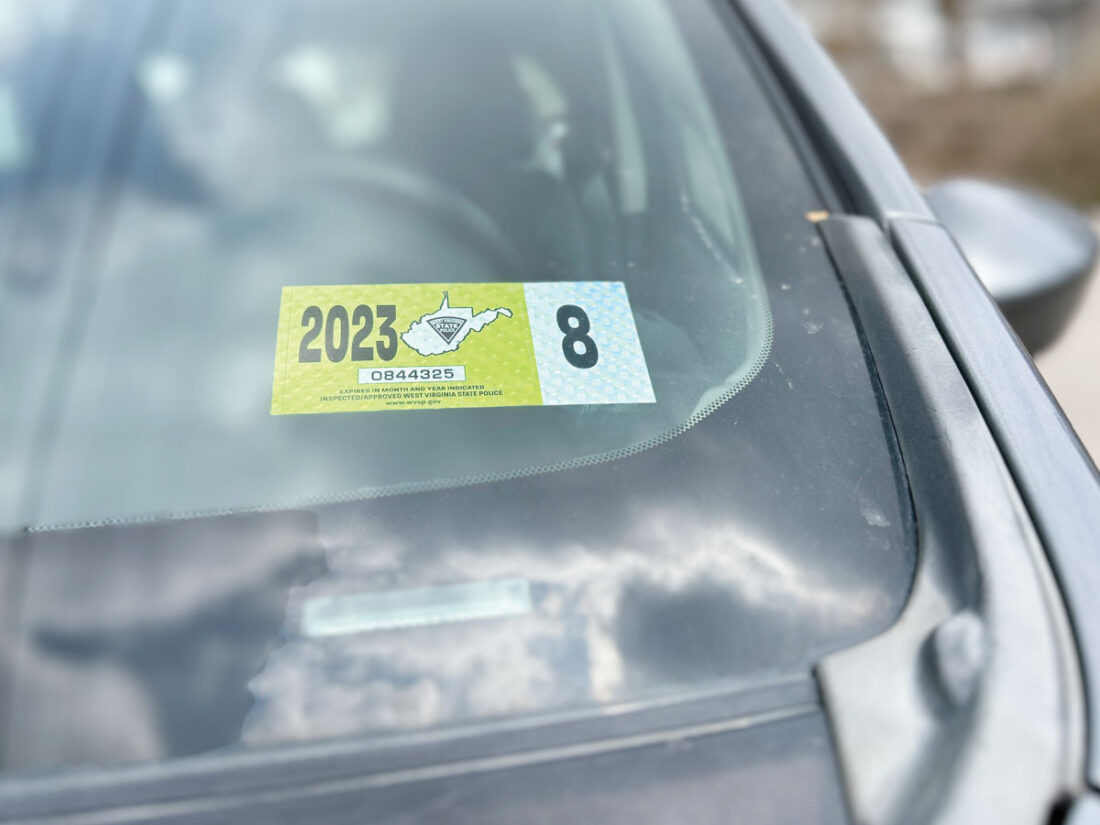
West Virginia requires all registered vehicles to pass an annual safety inspection at a licensed inspection station. The inspection covers brakes, lights, tires, steering, suspension, exhaust, windshield, mirrors, and seat belts. The current cost is $12, and the inspection sticker expires on the last day of the month shown on the sticker, requiring renewal every 12 months.
Owning a vehicle in West Virginia means you deal with one of the stricter annual inspection programs in the region. If your sticker is expired, you can be pulled over and cited.
If you just moved to the state, the clock starts ticking the moment you register your vehicle. This guide breaks down everything you need to know—from what inspectors actually check to how much it costs, what fails you, and the real-world tricks shops use to either pass or fail your car.
What Does a West Virginia Vehicle Safety Inspection Include?
A WV safety inspection checks your brakes, tires, steering components, suspension, lights, exhaust system, windshield, mirrors, horn, wipers, seat belts, and fuel system. If any of these components are worn beyond legal limits or non-functional, your vehicle fails.
The inspection is not a quick glance. A licensed inspector runs through a checklist defined by the West Virginia State Police.
They are looking for safety-critical issues that put you and other drivers at risk. Here is what gets examined in detail:
Brakes
Inspectors check both service brakes and the parking brake. They measure pad and rotor thickness, look for fluid leaks in the lines, and test pedal feel.
If your brake pads are below 2/32 of an inch, you fail. Worn rotors scored beyond spec will also get flagged.
Tires
Tread depth must be at least 2/32 of an inch across the entire tread surface. Inspectors also look for sidewall damage, bulges, exposed cords, and mismatched tire sizes that could affect handling.
Dry-rotted tires with visible cracking will fail you even if tread depth looks acceptable.
Lights and Electrical
Every light on the vehicle must work—headlights (low and high beam), tail lights, brake lights, turn signals, reverse lights, license plate light, and hazard flashers. Aftermarket HID or LED conversions that blind oncoming traffic or lack proper housings can cause a failure.
Cracked or yellowed lenses that reduce light output also get flagged.
Steering and Suspension
The inspector checks for play in the steering wheel, worn tie rod ends, ball joints, and control arm bushings. They also inspect shocks and struts for leaks or excessive bounce.
A clunking sound when turning or bouncing the vehicle is an automatic red flag.
Windshield and Wipers
Cracks larger than a certain size in the driver’s line of sight will fail you. Wiper blades must clear the windshield effectively.
Tint that is too dark on the windshield or front side windows is also a common failure point.
Exhaust System
Leaks, missing components, and excessive noise will cause failure. Inspectors look from the manifold back to the tailpipe.
A rusted-out muffler or a missing catalytic converter is an automatic rejection.
Other Checks
- Horn must be audible from a reasonable distance
- Mirrors must be intact—driver side mirror is mandatory, and most inspectors want a passenger mirror too
- Seat belts must latch and retract properly
- Fuel system must have no visible leaks or strong fuel odors
- Doors and latches must open, close, and latch securely
How Much Does a West Virginia Vehicle Inspection Cost?
The official inspection fee in West Virginia is $12 for the safety inspection sticker. However, shops may charge additional labor if repairs are needed before the vehicle passes. Some shops charge a separate re-inspection fee if you leave and come back.
The $12 fee is set by the state and every licensed station must honor it for the inspection itself. Where costs spiral is when your vehicle fails and the shop offers to do the repairs.
A brake job, tire replacement, or light assembly fix can run anywhere from $50 to $800 depending on the issue. Always get a written estimate before authorizing work.
Some shops use the inspection as a funnel to sell expensive repairs you may not actually need.
Real-world tip: If you fail at one shop, you are allowed to take your vehicle to a different shop for the repair and re-inspection. You are not obligated to let the shop that failed you do the work.
When Does My WV Inspection Sticker Expire?
Your West Virginia inspection sticker expires on the last day of the month printed on the sticker. It is valid for 12 months from the date of inspection. You can get inspected up to 90 days before your sticker expires without losing time on your current sticker.
For example, if your sticker says “08” (August), it expires August 31st. You can go in as early as June and the new sticker will start from the expiration of your current one, not the date you got inspected.
This gives you flexibility to shop around or schedule repairs without losing months.
What Happens if I Drive With an Expired Inspection Sticker?
Driving with an expired sticker is a traffic violation in West Virginia. Law enforcement can pull you over solely for an expired sticker.
Fines vary by county but typically range from $150 to $300 for a first offense. Points can also be assessed on your license in some cases.
Repeat offenses carry higher fines and potential court appearances.
Do New Residents Need a WV Vehicle Inspection?
Yes. New residents must get a West Virginia vehicle inspection within 10 days of registering their vehicle in the state. When you transfer your title and registration to WV, the DMV will not issue your plates without a valid WV inspection sticker.
If you are moving to West Virginia from a state that does not require inspections, do not assume your vehicle will pass. WV inspectors are checking for things your previous state never looked at.
Have a pre-inspection check done at a reputable shop before you go in for the official sticker to avoid surprises and multiple trips.
Which Vehicles Are Exempt From WV Inspection?
Certain vehicles are exempt from the annual WV safety inspection, including farm vehicles, vehicles registered as antique or classic that are not driven regularly, government vehicles, and some trailers. Motorcycles have a separate inspection checklist.
- Farm use vehicles operating within a limited radius of the registered farm
- Antique vehicles with antique registration (limited mileage use)
- New vehicles purchased from a WV dealer receive an initial inspection sticker valid for the first year
- Trailers under a certain weight may be exempt depending on classification
- Electric and hybrid vehicles are NOT exempt—they must pass the same safety inspection
Does West Virginia Require Emissions Testing?
No. West Virginia does not require emissions testing or smog checks for any passenger vehicles.
The state only mandates a safety inspection. This means your check engine light, catalytic converter efficiency, and OBD-II readiness monitors are not part of the inspection process.
This is a significant difference from neighboring states like Virginia and Pennsylvania, which require emissions testing in certain counties.
If you are moving from a state with emissions requirements, you will find the WV process simpler but no less thorough on the safety side.
Common Reasons Vehicles Fail WV Inspection
The most common failure reasons in WV are worn brake pads, insufficient tire tread, burned-out lights, cracked windshields, and excessive steering play. These are all preventable with basic pre-inspection maintenance.
Top 10 Failure Items
- Worn brake pads or rotors below minimum thickness
- Tire tread depth below 2/32 inch
- Non-functional brake lights or turn signals
- Cracked windshield in the driver’s line of sight
- Worn tie rod ends or ball joints with visible play
- Leaking or damaged exhaust components
- Faulty wiper blades
- Burned-out headlight bulbs (one or both)
- Non-functioning horn
- Torn or non-retracting seat belts
Pre-Inspection Checklist for DIY Owners
Before heading to the inspection station, walk around your vehicle and check these items yourself. This saves you time, money, and the embarrassment of failing on something simple:
- Turn on every light—headlights, brake lights, turn signals, hazards, reverse lights, plate light
- Check all tire tread with a penny test—insert a penny head-first into the grooves; if you see all of Lincoln’s head, your tread is too low
- Look at your brake pads through the wheel spokes if possible
- Test your horn
- Run your wipers and check blade condition
- Inspect windshield for cracks larger than a quarter in the driver’s view
- Check that all seat belts latch and retract
- Look under the vehicle for any fluid drips or exhaust leaks
- Turn the steering wheel and feel for excessive play or clunking
- Check that all doors open, close, and latch properly
Can I Get My Vehicle Inspected at Any Shop?
No. Only shops licensed by the West Virginia State Police Motor Vehicle Inspection Division can perform official inspections.
Look for the official inspection sign displayed at the shop. Not all repair shops are licensed to inspect.
Dealerships, independent shops, and even some quick-lube stations can hold an inspection license. The advantage of using a smaller independent shop is they are often less aggressive about upselling unnecessary repairs.
Dealerships tend to follow stricter manufacturer guidelines, which can mean they flag things a smaller shop might let slide.
How to Choose the Right Inspection Station
- Ask upfront if they charge a re-inspection fee if you fail and come back after fixing it elsewhere
- Check online reviews specifically mentioning inspection experiences
- Avoid shops that tell you everything needs replacing before they even put the vehicle on a lift
- Ask if they will show you exactly what failed before doing any work
Frequently Asked Questions About WV Vehicle Inspections
Can I be pulled over just for an expired inspection sticker in West Virginia?
Yes. An expired inspection sticker is a primary offense in West Virginia, meaning an officer can stop you solely based on the expired sticker. You do not need to be committing any other traffic violation.
How long do I have to fix my vehicle after failing a WV inspection?
There is no official grace period. Once your vehicle fails, your current sticker is effectively void if the failure is safety-critical.
Most shops give you a rejection sheet that serves as temporary documentation, but you should get the repairs done and re-inspected as soon as possible.
Do I need a WV inspection to renew my registration?
Yes. You need a valid WV inspection sticker to complete your annual registration renewal. The DMV will check for a current inspection when you process your renewal.
Can I sell a vehicle in West Virginia without a valid inspection?
You can sell a vehicle without a valid inspection, but the buyer will need to get one before they can register and legally drive the vehicle.
It is common practice for buyers to negotiate the inspection cost into the sale price.
Are lifted trucks or modified vehicles held to different standards?
Lifted and modified vehicles must still pass all standard inspection items. However, modifications that affect steering geometry, lighting alignment, or bumper height can cause failures.
Extremely aggressive lifts that alter the vehicle’s handling beyond safe limits will be rejected.
Does a brand-new car need an inspection in WV?
New vehicles purchased from a licensed WV dealer come with a manufacturer’s statement of origin and a valid inspection sticker for the first year. After that, you must get an annual inspection like every other vehicle.
Final Word: Stay Ahead of Your WV Inspection
The smartest approach to the West Virginia vehicle inspection is to treat it as a free diagnostic twice a year—once when you do your own pre-check and once at the shop. Keep your brakes, tires, and lights maintained year-round and the inspection becomes a 15-minute errand instead of a costly surprise.
Do not wait until the last week of your sticker expiration month. Shops fill up fast at month-end, and you will pay more in stress than you save by waiting.
Leave a Reply