
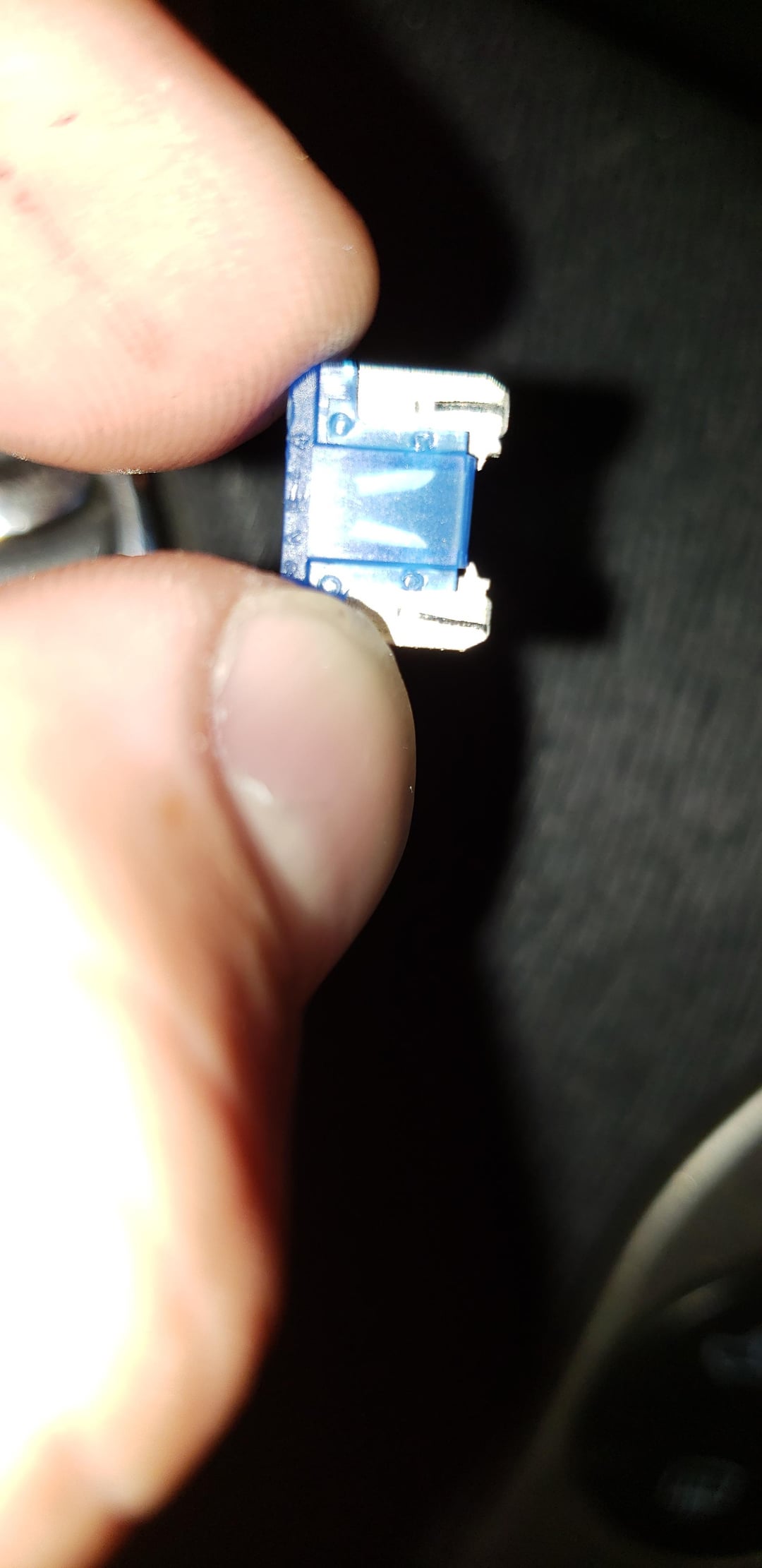
An AM2 fuse is a specific amperage-rated circuit protection device, most commonly found in Toyota, Lexus, and Scion vehicles, that protects critical engine management circuits including the fuel injection system, ignition coils, and engine control module (ECM).
What Does an AM2 Fuse Protect in Your Vehicle?
The AM2 fuse is a key player in your vehicle’s engine electrical system. It specifically protects the “A” and “M2” circuits that power the core components responsible for starting and running the engine.
If this fuse is blown, your vehicle will typically crank over strongly but will refuse to start. This is because the components it protects are essential for creating combustion.
Circuits Protected by the AM2 Fuse
- Fuel Injectors: The pulse signal that opens the injectors is powered through this fuse.
- Ignition Coils and IGBT Circuit: It provides power to the ignition system that creates the spark.
- Engine Control Module (ECM/ECU): This is the vehicle’s main computer. The AM2 fuse often provides a critical power feed to it.
- Mass Air Flow (MAF) Sensor: On many models, the MAF sensor circuit is protected by AM2.
Why Does the AM2 Fuse Keep Blowing? Common Causes and Fixes
A repeatedly blowing AM2 fuse points to a direct short circuit on one of its protected lines. The cause is almost always a chafed wire, a damaged component, or water intrusion creating a path for electricity to ground.
You must find and repair the root cause, not just replace the fuse. Simply installing a higher amperage fuse can cause catastrophic wiring damage or fire.
1. Shorted Fuel Injector Wiring Harness
This is one of the most frequent causes, especially on older Toyota and Lexus models. The wiring harness runs over or near hot, sharp engine components.
- Inspection: Carefully examine the fuel injector wiring harness where it routes over the intake manifold or valve cover. Look for melted insulation, chafing against metal edges, or brittle, cracked wires.
- Common Location: Pay close attention to the harness where it bends around the rear of the engine near the firewall.
- Fix: Repair any damaged wiring with quality solder and heat-shrink tubing. Reroute the harness with protective loom and ensure it is secured away from heat and sharp edges.
2. Failed Ignition Coil or Internal Short
An ignition coil with an internal short can draw excessive current, blowing the AM2 fuse when the system is energized.
- Diagnosis: Disconnect all ignition coil connectors. Install a new AM2 fuse. If it holds, reconnect coils one at a time, checking if the fuse blows after connecting each one. The coil that causes the blow is the faulty one.
- Alternative Method: Use a multimeter set to ohms to check the resistance of each coil’s primary circuit (between the two power terminals). Compare readings; a significantly lower reading often indicates a short.
- Fix: Replace the faulty ignition coil. It’s often recommended to replace all coils as a set if they have high mileage.
3. Water Intrusion in Fuse Box or Connectors
Water entering the under-hood fuse box or a major engine connector can bridge two circuits, creating a short that blows the AM2 fuse.
- Inspection: Remove the AM2 fuse and look for signs of corrosion (green or white powder) on the fuse terminals or inside the fuse box socket. Check the underside of the fuse box cover for water stains.
- Source Check: Common leak points include a cracked windshield cowl, a missing or damaged fuse box gasket, or a leaking cabin air filter housing.
- Fix: Clean all corrosion with electrical contact cleaner and a small brush. Seal the source of the water leak. Apply dielectric grease to clean fuse terminals and connectors to prevent future corrosion.
4. Damaged ECM or Engine Wiring Harness
While less common, a shorted Engine Control Module (ECM) or a major rub-through in the engine harness itself can be the culprit.
- ECM Diagnosis: After ruling out injectors and coils, disconnect the main ECM connectors. If the AM2 fuse stops blowing, suspect an internal ECM short. This usually requires professional verification.
- Harness Inspection: Perform a thorough visual inspection of the entire engine harness, looking for areas where the harness contacts sharp brackets, hot exhaust components, or has been chewed by rodents.
AM2 Fuse Location and Rating by Model
The fuse is located in the under-hood main fuse box (also called the junction box). It’s typically a standard blade fuse. Always consult your owner’s manual to confirm the exact location and amperage rating.
Note: Some newer Toyota models may use a 10A fuse for this circuit. The “AM1” fuse is a separate circuit that often handles different components.
How to Diagnose a Blown AM2 Fuse: A Step-by-Step Process
Follow this logical sequence to avoid guesswork and unnecessary part replacement.
- Step 1 — Verify the Symptom: Confirm the engine cranks but does not start. Check for a “check engine” light that illuminates briefly with key-on, engine-off (KOEO). Its absence suggests no power to the ECM.
- Step 2 — Locate and Inspect the Fuse: Find the AM2 fuse in the under-hood box. Remove it and visually inspect the metal strip inside the plastic housing. A broken strip means it’s blown.
- Step 3 — Check for Short Circuit: Remove the blown fuse. Use a test light or multimeter in continuity mode across the two fuse socket terminals in the fuse box. A tone or light indicates a direct short to ground exists on that circuit.
- Step 4 — Isolate the Circuit: One by one, disconnect the components on the AM2 circuit (injector harnesses, coil connectors, MAF sensor). After each disconnection, re-check for the short at the fuse socket. The short disappears when you disconnect the faulty component or its wiring.
- Step 5 — Repair and Test: Once the faulty component or wire is identified and repaired, install a new fuse of the correct amperage. The vehicle should now start.
Frequently Asked Questions (FAQ)
Can I drive with a blown AM2 fuse?
No. The vehicle will not start or run if the AM2 fuse is blown. This fuse powers essential engine management systems.
You must diagnose and repair the underlying short circuit before the vehicle is operational.
Is the AM2 fuse the same as the EFI fuse?
No, but they are related. On some older Toyota models, the EFI fuse protected similar circuits. The naming convention (AM1, AM2, EFI, IG2) varies by model year.
Always refer to the fuse box diagram for your specific vehicle.
What happens if I use a higher amp fuse for the AM2 circuit?
This is extremely dangerous. The fuse is designed to be the weakest link in the circuit to protect the wiring.
A higher amp fuse may not blow during a short circuit, causing the wiring to overheat, melt its insulation, and potentially start a fire.
Final Recommendation for Lasting Repair
Chasing an AM2 fuse failure requires patience and a systematic approach. The most durable repair involves not just fixing the immediate short, but also addressing the root cause—whether that’s rerouting a harness, sealing a water leak, or replacing a corroded connector.
Using OEM-quality fuses and heat-shrink repairs will ensure the electrical system remains reliable long after the diagnosis. If you’ve exhausted the common causes listed above and the fuse still blows, it’s time to consult a specialist with an oscilloscope and advanced wiring diagrams for a definitive repair.
Leave a Reply