
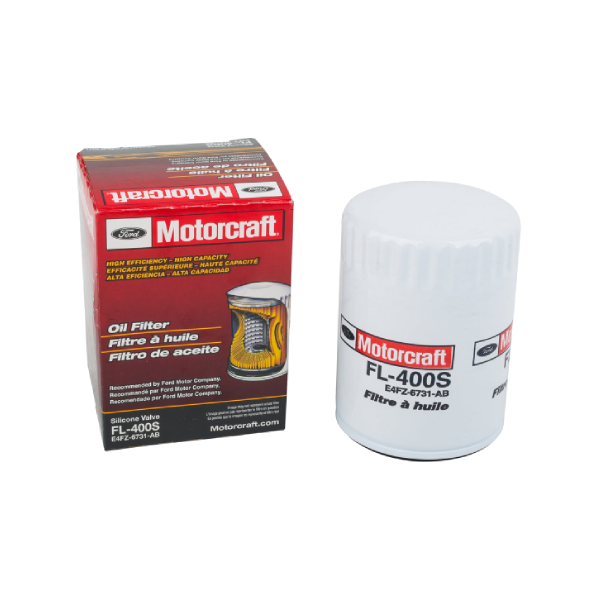
Motorcraft oil filters are manufactured primarily by Purolator, which is now part of the Mann+Hummel filtration group. Over the years, Ford has also contracted Champion Laboratories and other suppliers to produce filters under the Motorcraft brand name. The filters are built to Ford’s exact OEM specifications regardless of which factory stamps them out.
Who Actually Manufactures Motorcraft Oil Filters?
Motorcraft is not a standalone manufacturer—it is Ford Motor Company’s in-house parts brand. Ford contracts out the actual production to third-party filtration companies that build to Ford’s engineering tolerances and quality standards.
The primary and most consistent manufacturer of Motorcraft oil filters has been Purolator, which was acquired by Mann+Hummel in 2012. Purolator has supplied Ford with filtration products for decades and remains the dominant production source for the vast majority of Motorcraft oil filter part numbers.
That said, Ford uses multiple approved suppliers to ensure supply chain stability. Here is what you need to know about each:
- Purolator / Mann+Hummel — The primary OEM supplier. Most Motorcraft oil filters rolling off the line today carry Purolator’s manufacturing DNA. If you crack open a Motorcraft FL-500S or FL-820S, chances are high it has a Purolator-made media pack inside.
- Champion Laboratories — Champion has supplied Ford with certain filter part numbers, particularly for specific applications and during high-demand production periods. They also manufacture filters for other brands under private label.
- Honeywell (Fram) — Historically, some Motorcraft filters were produced by Honeywell’s filtration division (now Fram). This was more common in earlier production years and for certain commercial vehicle applications.
- Wix Filters — Some overlap exists in the filtration industry where Wix, now also under Mann+Hummel, has contributed to certain Ford filter programs.
The key takeaway is that Ford sets the specification—media type, bypass valve pressure, anti-drainback valve quality, gasket material—and the contracted manufacturer builds to that spec. The badge on the outside matters less than the engineering standard it has to meet.
Are Motorcraft Oil Filters the Same as Purolator Filters?
No, Motorcraft filters are not identical to retail Purolator filters, even though they often come from the same parent company. Ford specifies different media blends, bypass valve pressures, and housing designs that are unique to Motorcraft part numbers.
Key Differences Between Motorcraft and Purolator Retail Filters
- Filter media — Motorcraft filters typically use a blend of cellulose and synthetic media engineered to Ford’s oil flow and filtration efficiency targets. Purolator’s retail line, like the PurolatorONE, may use a different media composition.
- Bypass valve pressure — Ford specifies exact bypass valve opening pressures for each engine application. A Purolator filter sold under the Purolator brand for the same vehicle may have a slightly different bypass setting because it targets a broader market standard.
- Anti-drainback valve — Motorcraft filters use silicone anti-drainback valves on most applications, which hold up better under high heat. Some equivalent Purolator retail models have used nitrile rubber valves in certain part numbers.
- Gasket and housing tolerances — Ford’s quality control acceptance criteria are specific. Purolator builds to those for Motorcraft-branded parts but may use different tolerance bands for their own retail products.
This is why experienced techs and Ford dealership mechanics will tell you to just run the Motorcraft filter if you want zero guesswork. The retail Purolator is close, but it is not an identical twin.
How Can I Tell Who Made My Motorcraft Oil Filter?
You can identify the actual manufacturer by looking at the physical clues stamped or molded onto the filter itself. This is useful if you want to understand what you are actually installing on your engine.
What to Look For on the Filter
- Country of origin stamp — Most Motorcraft filters will say “Made in USA,” “Made in Canada,” or occasionally “Made in Mexico” depending on the plant assigned to that production run.
- Manufacturer codes — Look at the baseplate or the seam of the filter canister. There are often small stamped numbers or molded codes that indicate the manufacturing plant. Purolator plants use different plant codes than Champion Laboratories.
- Media pattern — If you cut the filter open, Purolator-manufactured Motorcraft filters tend to have a distinctive pleat count and spacing pattern. Champion-sourced filters may show a slightly different pleat geometry.
- Baseplate construction — Purolator-sourced Motorcraft filters typically have a rolled crimp seam and a specific number of inlet holes in the baseplate. The hole count and spacing can help you determine which line produced it.
Most owners will never need to do this. But if you are the type who wants to know exactly what is protecting your engine, cutting open an old filter after an oil change is an excellent way to learn.
Are Motorcraft Oil Filters Good Quality?
Motorcraft oil filters are genuinely solid OEM-grade filters that meet or exceed the requirements Ford sets for engine protection. They are not the cheapest option on the shelf, but they are far from the most expensive—and they deliver consistent quality.
What Makes Motorcraft Filters Stand Out
- 99 percent multi-pass filtration efficiency — Motorcraft filters are rated to capture 99 percent of particles at their specified micron rating. This is competitive with premium aftermarket brands.
- Consistent bypass valve calibration — Because Ford specifies the exact pressure, you get predictable cold-start oil flow behavior. Cheap generic filters sometimes have bypass valves that open too early or too late.
- Anti-drainback valve reliability — The silicone valve used on most Motorcraft filters retains its flexibility over extended drain intervals, which reduces dry-start wear on cold mornings.
- Cost-effective pricing — Typically priced between $6 and $10 per filter at retail, Motorcraft filters offer OEM-grade protection without the dealership markup you might expect.
Where Motorcraft Filters Could Be Better
Motorcraft filters are conventional cellulose-synthetic blend designs. They are not full synthetic media filters like the Royal Purple Extended Life or the Mobil 1 Extended Performance. If you run extended drain intervals past 7,500 miles, a full synthetic media filter may hold up better over that duration.
What Are the Best Alternatives to Motorcraft Oil Filters?
If Motorcraft filters are out of stock or you want to explore your options, several aftermarket filters deliver comparable or superior performance. The best choice depends on your vehicle, driving conditions, and oil change interval.
Top Recommended Alternatives by Category
For most Ford owners running standard 5,000 to 7,500-mile oil change intervals, the stock Motorcraft filter is the best value. If you push intervals longer or drive in severe conditions—towing, extreme heat, frequent short trips—stepping up to a PurolatorBOSS or Mobil 1 EP is worth the extra few dollars.
Motorcraft Oil Filter Part Numbers and What Engines They Fit
Ford uses a specific part number system for Motorcraft oil filters, and using the correct one matters. The filter’s bypass valve pressure, thread size, and gasket diameter are all engine-specific.
Common Motorcraft Oil Filter Applications
- FL-500S — Ford 5.0L Coyote V8, 3.5L EcoBoost, 2.7L EcoBoost, 2.3L EcoBoost. This is the most commonly sold Motorcraft filter and fits a huge range of modern Ford and Lincoln vehicles.
- FL-820S — Ford 4.6L and 5.4L Triton V8 engines, 6.8L V10. Common on older F-150, Expedition, and Super Duty trucks.
- FL-2062 — Ford 6.7L Power Stroke diesel. This is a cartridge-style filter, not a spin-on.
- FL-910S — Ford 3.0L and 3.5L Duratec V6 engines, older 2.0L and 2.3L four-cylinder applications.
- FL-400S — Ford 5.0L and 5.8L Windsor V8 engines, older Mustang and truck applications.
Cross-referencing the wrong filter onto your engine can cause oil pressure issues, leaks, or even engine damage if the bypass valve is calibrated incorrectly. Always verify the part number against your specific year, make, model, and engine code.
Frequently Asked Questions
Is Motorcraft oil filter the same as Fram?
No. Motorcraft and Fram are completely different brands with different specifications. While some older Motorcraft filters may have been produced by Honeywell’s filtration division (which owned Fram), the filters are built to Ford’s unique specifications and are not interchangeable with Fram retail products.
Does Motorcraft make their own oil filters?
Motorcraft does not manufacture filters in-house. Ford owns the Motorcraft brand and specifications but contracts the actual manufacturing to third-party companies, primarily Purolator (Mann+Hummel).
Are Motorcraft oil filters better than Wix?
Both are quality filters. Motorcraft filters are built to Ford’s specific requirements, while Wix filters meet their own engineering standards.
For a Ford vehicle, the Motorcraft filter is the safest choice because it is engineered specifically for that engine. Wix XP is a strong alternative if Motorcraft is unavailable.
How long do Motorcraft oil filters last?
Motorcraft oil filters are designed for standard drain intervals of 5,000 to 7,500 miles with conventional or synthetic blend oil. If you use full synthetic oil and drive in normal conditions, the filter can typically handle up to 10,000 miles, but Ford recommends replacing the filter with every oil change.
Can I use a different brand oil filter on my Ford?
Yes, you can use any compatible aftermarket filter as long as it matches your engine’s thread size, gasket diameter, and bypass valve specifications. However, using the Motorcraft filter eliminates any guesswork and keeps you within Ford’s recommended service parts.
Should You Buy Motorcraft Oil Filters?
Motorcraft oil filters are a smart, no-nonsense choice for any Ford, Lincoln, or Mercury owner. They are manufactured by established filtration companies to Ford’s exact engineering standards, they are priced competitively, and they deliver reliable engine protection for standard maintenance intervals.
Unless you have a specific reason to go aftermarket—extended drain intervals, extreme driving conditions, or a preference for full synthetic media—the Motorcraft filter is the right call for your Ford engine. Stick with what the engineers who designed your engine specified, and you will not have problems.
Leave a Reply