
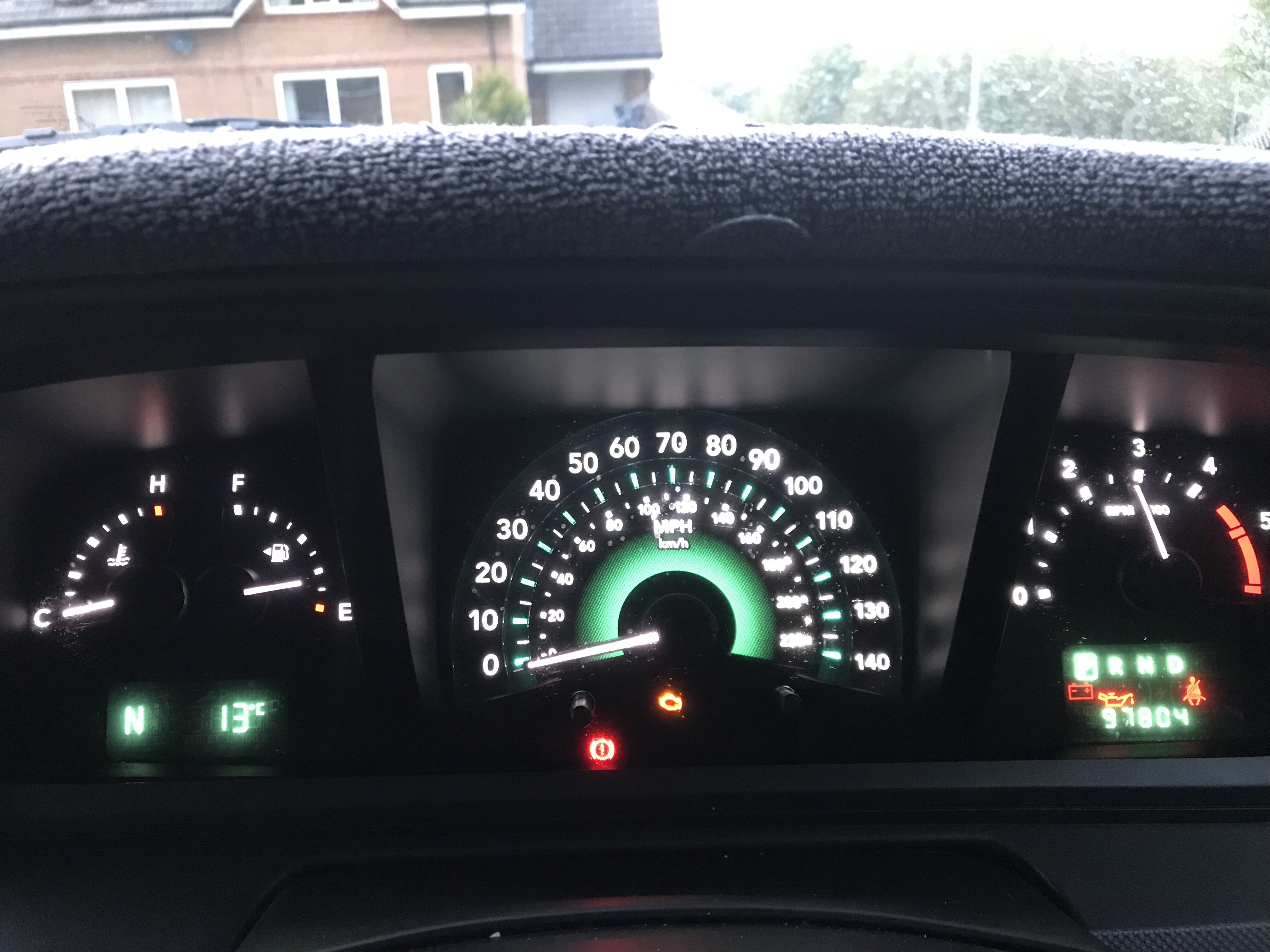
The most common Dodge Journey transmission problems are harsh shifting, delayed engagement, and complete failure, primarily caused by a faulty solenoid pack, contaminated transmission fluid, or a failing Transmission Control Module (TCM). These issues are especially prevalent in the 62TE automatic transmission found in 2009-2020 models.
What are the symptoms of a bad Dodge Journey transmission?
You will notice specific, often progressive, warning signs before a complete failure. Early detection can prevent a costly full rebuild. The most frequent complaints from owners involve shifting quality and responsiveness.
- Harsh or Jerky Shifting: The vehicle lurches or slams into gear, particularly between 1st and 2nd or when the torque converter locks up. This is often worse when the engine is cold.
- Delayed Engagement: A noticeable pause when shifting from Park to Drive or Reverse. The engine may rev, but the car won’t move for one to two seconds.
- Transmission Slipping: The engine RPMs increase without a corresponding increase in vehicle speed, often accompanied by a burning smell from overheated fluid.
- Stuck in Gear/Limp Mode: The vehicle’s computer detects a fault and limits the transmission to one gear (usually 2nd or 3rd) to prevent further damage, illuminating the check engine or transmission temperature light.
- Noise and Vibration: Unusual whining, humming, or clunking noises coming from underneath the vehicle, sometimes felt through the floor.
What causes Dodge Journey transmission failure?
The root cause is often a combination of component weakness and maintenance neglect. The 62TE transmission has several known failure points that shops frequently misdiagnose as a full rebuild requirement.
1. Solenoid Pack Failure (The #1 Culprit)
This is the most common and most misdiagnosed issue. The solenoid pack is an assembly of electro-hydraulic valves that direct fluid flow to engage gears. When it fails, it mimics a catastrophic transmission failure.
- Symptoms: Erratic shifting, multiple shift-related error codes (e.g., P0750-P0770), and the vehicle going into limp mode.
- The Fix: Replace the solenoid pack. It’s accessible by dropping the valve body, not requiring a full transmission removal. Many dealers will quote a full rebuild; a skilled independent shop can replace just this unit for a fraction of the cost.
2. Contaminated or Degraded Transmission Fluid
Chrysler’s “lifetime fluid” claim is misleading. The fluid degrades over time, especially with heat cycles, losing its protective and hydraulic properties.
- Symptoms: Dark, brownish fluid with a burnt smell. Often accompanies slipping or harsh shifts after the fluid has broken down.
- The Fix: Perform a complete fluid exchange using the correct ATF+4 specification. Do not flush an already failing transmission; a pan drop, filter change, and refill is safer for high-mileage units.
3. Transmission Control Module (TCM) / Software Issues
The TCM is the brain that controls shifting. It can fail electronically or simply have corrupted software, leading to poor shift logic.
- Symptoms: Inconsistent shifting problems that may not throw a code, or TCM-specific codes like U0100 or P0613.
- The Fix: First, try a TCM reflash/reprogram at a dealership with the latest software. If the module itself is dead, it requires replacement and reprogramming.
How to fix Dodge Journey transmission problems by model year?
Issues vary slightly by model year as Dodge made minor updates. Understanding your specific model year’s tendencies is key to an accurate diagnosis.
| Model Year(s) | Primary Weak Points | Recommended Action |
|---|---|---|
| 2009 – 2010 | Early 62TE with higher solenoid pack failure rates. Prone to torque converter shudder. | Prioritize solenoid pack and fluid change. Check for TCM software updates. |
| 2011 – 2014 | Solenoid pack remains a top failure. Increased reports of input/output speed sensor issues. | Diagnose solenoid pack first. Check for sensor-related codes (P0715, P0720). |
| 2015 – 2020 | Refined but still problematic 62TE. Issues often tied to TCM logic and internal wiring harness faults. | Ensure latest TCM software is installed. Inspect internal harness for chafing if other causes are ruled out. |
Can I fix my Dodge Journey transmission myself?
For the average home mechanic, full internal rebuilds are not advisable. However, several key diagnostic and repair steps are within reach with basic tools and patience.
DIY Diagnostic Steps:
- Read Codes: Use an OBD-II scanner that can read transmission-specific codes. Generic readers often miss these.
- Check Fluid: With the engine warm and running, check the transmission dipstick (if equipped). Fluid should be red, not brown, and not smell burnt.
- Inspect Connections: Unplug and inspect the main transmission electrical connector for corrosion or damaged pins.
What a DIYer Can Potentially Replace:
- Solenoid Pack: Requires dropping the pan and valve body. It’s a moderate skill-level job but can save thousands.
- Transmission Speed Sensors: Usually accessible from the outside of the transmission case.
- Fluid and Filter: A straightforward pan drop and filter replacement is the single best preventive maintenance you can do.
How much does it cost to fix a Dodge Journey transmission?
Costs vary wildly based on the root cause and who does the work. Getting a precise diagnosis first is critical to avoiding overpayment.
- Solenoid Pack Replacement: $300 – $700 at an independent shop.
- TCM Replacement & Programming: $400 – $900.
- Full Transmission Rebuild (at a specialist): $1,800 – $3,500.
- Full Transmission Replacement (remanufactured unit): $2,500 – $4,500, including labor.
Pro Tip: Always ask for a written estimate that separates the diagnostic fee, parts, and labor. A reputable shop will explain the failure mode in detail based on the evidence they found.
FAQ
Is the Dodge Journey transmission reliable?
The 62TE automatic transmission has a below-average reliability record. It is not a “bad” transmission by design, but it is sensitive to heat and requires diligent fluid maintenance, which Chrysler’s “lifetime fill” recommendation undermined. Many failures are preventable with early intervention.
What does it mean when my Dodge Journey won’t go into gear?
This typically indicates a failure in the hydraulic system—most often the solenoid pack or a severe fluid leak causing low pressure. It can also be a mechanical failure of the internal clutch packs. Check your transmission fluid level immediately; if it’s low or empty, you have a leak that must be found and repaired.
Should I rebuild or replace my Dodge Journey transmission?
This depends on the extent of the damage. If the internal hard parts (gears, drums, shafts) are intact, a rebuild with new seals, clutches, and solenoids is cost-effective. If the case is cracked or major components are damaged, a remanufactured replacement unit with a warranty is the better long-term investment.
Final Verdict
Do not accept a “you need a new transmission” diagnosis without a second opinion and a detailed inspection report. The Dodge Journey’s transmission problems are notorious but often have specific, repairable causes like the solenoid pack. A methodical diagnosis focusing on codes, fluid condition, and common failure points is your best path to a reliable and cost-effective repair.
Leave a Reply