
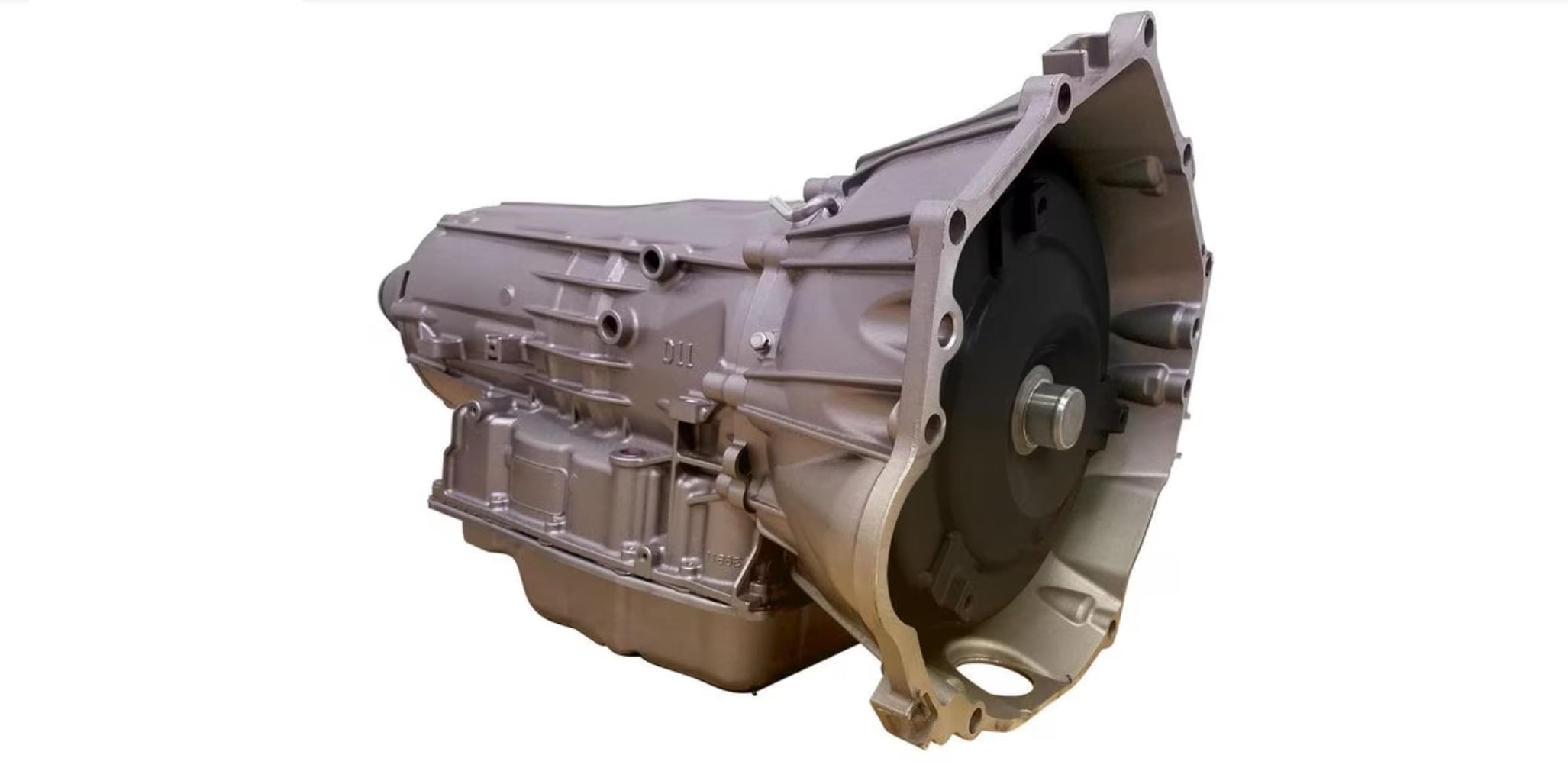
The average GMC Acadia transmission replacement cost ranges from $3,500 to $7,500 depending on the model year, transmission type, and whether you choose a new, remanufactured, or used unit. Labor typically adds $800 to $1,500 on top of parts. First-generation Acadias (2007–2016) with the 6T75 six-speed are cheaper to replace, while second-generation models (2017–2023) with the 9T65 nine-speed cost significantly more.
How Much Does a GMC Acadia Transmission Replacement Really Cost?
The number everyone wants — and the number that changes every time you call a different shop. I have priced out dozens of these jobs over the years, and the truth is there is no single answer.
The cost depends on which generation Acadia you own, which transmission it uses, where you source the replacement, and who does the labor. A 2012 Acadia with a failed 6T75 is a completely different animal than a 2020 Acadia with a faulty 9T65.
Here is a realistic breakdown of what you should expect to pay in 2024:
| Model Year | Transmission | Used Unit | Remanufactured | New OEM | Labor | Total Range |
|---|---|---|---|---|---|---|
| 2007–2009 | 6T70 | $1,200–$1,800 | $2,200–$3,200 | $4,000–$5,500 | $800–$1,200 | $2,000–$6,700 |
| 2010–2016 | 6T75 | $1,400–$2,000 | $2,500–$3,500 | $4,200–$5,800 | $800–$1,300 | $2,200–$7,100 |
| 2017–2020 | 9T65 | $2,000–$3,200 | $3,500–$5,000 | $5,500–$7,500 | $1,000–$1,500 | $3,000–$9,000 |
| 2021–2023 | 9T65 | $2,200–$3,500 | $3,800–$5,200 | $5,800–$7,800 | $1,000–$1,500 | $3,200–$9,300 |
Keep in mind these are national averages. Coastal cities and dealership-heavy areas tend to charge 15–25% more.
If a dealer quotes you $9,000 for a 2017 Acadia, that is not unusual — but it is absolutely negotiable.
What Are the Most Common GMC Acadia Transmission Problems?
The Acadia has earned a reputation for transmission failure, and I have seen the same handful of symptoms come through the shop door year after year. Knowing the exact failure mode matters because not every transmission problem means you need a full replacement.
First-Generation Acadia (2007–2016): 6T70/6T75 Issues
These six-speed automatics are notorious for three specific failures. The wave plate inside the 3-5-R clutch pack fractures — this is the single most common killer of this transmission.
GM even issued a special coverage adjustment for some model years, though most have expired by now.
- Shuddering between 25–50 mph — feels like driving over rumble strips, usually caused by a worn torque converter clutch (TCC) or degraded transmission fluid
- Harsh or delayed 1-2 and 2-3 shifts — typically a pressure control solenoid issue inside the valve body
- No reverse gear or slipping in reverse — the wave plate failure I mentioned; when it breaks, it wipes out the 3-5-R clutch pack and eventually kills reverse
- Check engine light with code P0776, P2714, or P0700 — solenoid and pressure-related codes that often get misdiagnosed as a simple valve body problem when the damage is deeper
Second-Generation Acadia (2017–2023): 9T45/9T65 Issues
The nine-speed transmissions brought a new set of problems. GM shifted to this unit to improve fuel economy, but the early years — especially 2017 and 2018 — were plagued with complaints.
- Rough or erratic shifting at low speeds — the 9T65 struggles with shift logic, particularly in stop-and-go traffic; a TCM reflash often helps but does not always solve it
- Transmission hesitation or “dead spot” on acceleration — the unit holds gears too long or drops into neutral momentarily; this is often a calibration issue but can indicate internal wear
- Fluid leaks from the case halves or cooler lines — poor sealing surfaces on early production units cause slow leaks that lead to low fluid and accelerated internal damage
- Complete loss of forward motion with codes P0700, P0776, or P2723 — clutch pack failure similar to the six-speed but more expensive to rebuild due to complexity
Do I Really Need a Full Transmission Replacement, or Can It Be Repaired?
This is where most people get taken advantage of. Many shops default to recommending a full replacement because it is more profitable and less labor-intensive than diagnosing and rebuilding.
But not every Acadia transmission failure requires a $5,000+ replacement.
When a Repair (Not Replacement) Is the Right Call
- 🔹 Valve body or solenoid failure only — If the issue is limited to shift solenoids or the valve body, you can replace just that assembly for $800–$1,500 total. I have saved customers thousands by catching this early before collateral damage spreads.
- 🔹 Torque converter replacement — A shuddering Acadia with no internal hard-part damage can often be fixed with a new torque converter and fluid flush. Parts and labor run $1,200–$2,000.
- 🔹 External component failure — Cooler line leaks, shift cable issues, or a bad transmission mount do not require internal work. These are $200–$600 fixes.
- 🔹 Software/calibration issue — The 9T65 models in particular sometimes just need a TCM update. A dealer charges $150–$300 for this, and it can resolve shift quality complaints entirely.
When You Actually Need a Rebuild or Replacement
- ⚠️ Multiple clutch packs are burned or damaged
- ⚠️ The wave plate has already broken and contaminated the fluid with debris
- ⚠️ The transmission has been run low on fluid for an extended period
- ⚠️ Hard parts — drums, planetary gears, or the main case — are damaged
- ⚠️ A rebuild quote comes within $500–$800 of a reman unit (at that point, the reman with its warranty is the better value)
What Is the Difference Between a Remanufactured, Rebuilt, and Used Transmission?
These terms get thrown around interchangeably, and they should not be. Understanding the differences will directly affect what you pay and how long the replacement lasts.
Remanufactured: Completely disassembled, all wear components replaced, hard parts inspected and replaced if out of spec, then tested on a dyno. This is the closest thing to a brand-new unit. Comes with a 3-year/unlimited-mile warranty from most reputable suppliers.
Rebuilt: Only the failed components are replaced. The rest of the unit is inspected but reused. Quality depends entirely on the skill of the rebuilder. Warranty is typically 12–18 months.
Used/Salvage: Pulled directly from a wrecked vehicle. No internal inspection or parts replaced. You are gambling on the mileage and condition of a unit you cannot see inside. Cheapest upfront, highest long-term risk.
For the Acadia specifically, I almost always recommend a remanufactured unit if you plan to keep the vehicle for more than two years. The 6T75 has known design weaknesses that a basic rebuild may not fully address, whereas a quality reman incorporates updated parts and revised wave plates.
How to Save Money on GMC Acadia Transmission Replacement
You do not have to accept the first quote you get. Here are real strategies I have seen work for Acadia owners:
- 💰 Get three quotes minimum — one from a dealer, one from a transmission specialist, and one from an independent general shop. The spread can be $2,000 or more.
- 📦 Source your own reman unit — Companies like Jasper, Street Smart Transmission, and GM’s own reman program sell direct. You can have the unit shipped to your shop and pay only for labor. This often saves $500–$1,500 over what the shop marks up.
- 🔍 Ask about GM’s special coverage or TSB-related goodwill — Some model years have extended coverage for transmission defects even outside the original warranty. A dealer service advisor can check your VIN. It never hurts to ask.
- 🔧 Negotiate the labor rate — Transmission R&I (remove and install) on an Acadia books at roughly 8–10 hours. If a shop is quoting you 14+ hours, push back or go elsewhere.
- ⚙️ Consider a used unit only if the mileage is under 60k — Anything above that on a 6T75 or 9T65 is playing with fire. Ask for the donor vehicle’s mileage and service history before agreeing.
- 🧊 Bundle the fluid cooler and lines — If your transmission failed catastrophically, the cooler is likely contaminated with debris. Replacing it during the swap costs an extra $150–$300 but prevents the new unit from being contaminated on day one.
GMC Acadia Transmission Replacement Cost by Source: Dealer vs. Independent vs. DIY
Where you have the work done changes the final bill dramatically. Here is what I have seen across all three options:
| Source | Parts Cost (Reman) | Labor Cost | Total Cost | Typical Warranty |
|---|---|---|---|---|
| GMC Dealer | $4,500–$6,500 | $1,200–$1,800 | $5,700–$8,300 | 3 years/100k miles |
| Transmission Specialist | $3,200–$5,000 | $900–$1,400 | $4,100–$6,400 | 2–3 years/unlimited miles |
| Independent General Shop | $3,000–$4,500 (customer-supplied) | $800–$1,200 | $3,800–$5,700 | 1–2 years (labor only typically) |
| DIY | $2,800–$4,200 | $0 (your time) | $2,800–$4,200 | Parts warranty only |
A Note on DIY Transmission Replacement
I will be straight with you — this is not a beginner job. You need a lift or a very good set of jack stands, a transmission jack, and at least a full weekend. The Acadia’s subframe and exhaust make the removal process tight.
On the 9T65 models, you also need a scan tool capable of performing the TCM relearn procedure after installation. If you skip that step, the transmission will shift erratically and may set codes immediately.
Frequently Asked Questions About GMC Acadia Transmission Replacement
How long does a replacement transmission last in a GMC Acadia?
A properly remanufactured unit with regular fluid changes should last 100,000–150,000 miles. The key is changing the transmission fluid every 40,000–50,000 miles — not following GM’s “lifetime fluid” claim, which is a major reason these transmissions fail prematurely in the first place.
Is the GMC Acadia transmission covered under warranty?
The original powertrain warranty covers the transmission for 5 years or 60,000 miles, whichever comes first. Some model years had extended special coverage for specific transmission defects — check with your dealer using your VIN to see if any apply to your vehicle.
Can I drive my Acadia with a bad transmission?
You can, but you should not. Driving on a slipping or shuddering transmission sends metal debris through the entire system, turning a $1,500 repair into a $5,000 replacement.
If your Acadia is exhibiting symptoms, stop driving it and get it diagnosed immediately.
Why do GMC Acadia transmissions fail so often?
The 6T75’s wave plate design is the primary culprit for first-gen models. GM used a stamped steel wave plate that is prone to fatigue cracking. For second-gen models, the 9T65’s shift calibration and early production sealing issues contribute to premature failure.
Combined with GM’s recommendation of “lifetime” fluid, these transmissions are set up to fail by 80,000–120,000 miles.
Should I replace the transmission or sell the GMC Acadia?
This depends on the vehicle’s overall condition and market value. A 2014 Acadia in good shape with 110,000 miles is worth roughly $10,000–$14,000 with a working transmission. Spending $4,000 on a reman makes financial sense.
A 2009 Acadia with 200,000 miles, rust, and other pending repairs? You are better off selling it as-is and moving on.
Final Thoughts: Make the Right Call on Your Acadia Transmission
Transmission replacement on a GMC Acadia is expensive, but it does not have to be a financial disaster. The biggest mistake I see owners make is accepting the first quote without shopping around or understanding exactly what failed.
Before you authorize a $6,000 replacement, make sure the shop has actually diagnosed the root cause — not just pulled codes and guessed. Ask to see the old fluid, ask what specific internal components failed, and get the diagnosis in writing.
If your Acadia is otherwise in solid shape, a remanufactured transmission with an updated wave plate and fresh fluid can easily buy you another 100,000 miles of reliable driving.
Leave a Reply