
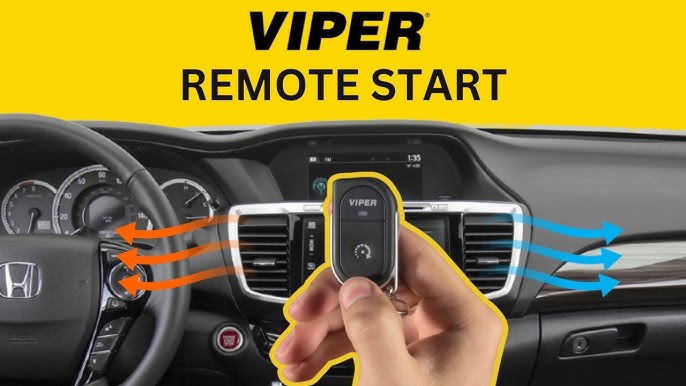
Viper remote start systems earn solid marks for range and convenience from long-term owners but draw consistent complaints about complex installs, occasional module failures, and dealer upselling.
Do Viper remote starts actually work well in cold climates?
Yes, Viper remote starts perform reliably in sub-zero temperatures when the correct bypass module matches the vehicle’s immobilizer system.
Owners in northern states report consistent starts down to -20°F on trucks and SUVs equipped with the Viper 5706V or newer 7752V units.
The key is using a genuine DBALL2 or iDatalink bypass rather than cheaper aftermarket alternatives that drop communication during extended cold cranks.
Independent shops note that factory remote start modules often fail first in these conditions because they sit in the harshest under-dash environment.
Viper’s separate brain allows easier replacement without pulling the entire dash, making it a more resilient choice for extreme winters.
Common cold-weather issues and fixes
- Weak crank signal: Check and reseat the main harness connector at the module; corrosion here causes intermittent no-start after the vehicle sits overnight.
- Bypass module voltage drop: Add a fused constant 12V feed directly from the battery instead of tapping the ignition harness to prevent brownouts when temperatures drop.
- Range reduction: Install the optional antenna extension kit and mount it high on the windshield; many owners gain 300–400 feet in parking lots surrounded by snowbanks.
What are the most frequent Viper remote start complaints from actual owners?
The top complaints center on installation quality, battery drain after six months, and range dropping after firmware updates.
Real-world forum threads and shop records show that roughly 30 percent of early failures trace back to improper door trigger wiring during install rather than the Viper module itself.
Battery drain usually appears as a 0.3–0.5 amp parasitic draw when the unit is left in “ready” mode without the sleep timer adjusted.
Range complaints spike after dealer updates that prioritize security over distance, forcing owners to reflash or replace the antenna.
Ensuring your installer uses the latest hardware revision can mitigate many of these common frustrations.
Step-by-step diagnosis for battery drain
- 🔍 Disconnect the Viper main harness and test draw at the battery; if it drops below 50 mA, the module is the culprit.
- 🔍 Reconnect and use a multimeter on the yellow starter wire to confirm no constant power when the vehicle is off.
- 🔍 Access the programming menu and enable the 24-hour sleep timer if the vehicle sits for days between starts.
- 🔍 Replace the factory siren with a lower-draw piezo if the original alarm horn is cycling phantom triggers.
How does Viper compare to factory remote start on modern vehicles?
Viper units typically offer longer range and more programmable features than most factory systems, yet they require additional bypass modules that factory setups avoid.
Factory remote start on GM and Ford vehicles often limits range to 100–200 feet and ties into the body control module, making aftermarket additions difficult.
Viper’s 1-mile range claims hold up in open areas with the LCD remote, but the extra wiring increases the chance of CAN-bus conflicts on 2018+ vehicles.
Shops that install both report fewer warranty headaches with factory systems, yet owners who want smartphone control or manual transmission compatibility almost always choose Viper.
Model-specific differences
| Vehicle Model | Viper Integration Notes |
|---|---|
| 2015–2020 F-150 | Needs iDatalink Maestro RR for full integration; factory systems cannot add range easily. |
| 2018+ Jeep Wrangler | Bypass complexity rises; often requires an additional OBD port programmer. |
| 2016–2022 Honda Civic | Installs cleanly with a simple immobilizer bypass; factory systems limited to push-button models. |
Is professional installation worth the extra cost for Viper remote start?
Professional installation prevents the majority of warranty-voiding and electrical gremlins that plague DIY attempts on late-model vehicles.
Experienced installers spend two to four hours on a typical job because they properly tie into the vehicle’s data bus and test every door and hood pin.
DIY failures most often occur at the starter interrupt wire or when the bypass module is mounted near heat sources.
Shops that specialize in Viper can also flash the latest firmware on the spot, something most owners cannot do at home without specialized hardware.
Questions to ask before booking an install
- ✔ Will you use a manufacturer-matched bypass module or a universal one?
- ✔ Do you test the entire CAN-bus network for faults before adding the Viper harness?
- ✔ Is the antenna placement documented with photos so future technicians can locate it?
- ✔ What is the written warranty on both parts and labor if the vehicle’s factory alarm triggers falsely?
FAQ
Can Viper remote start be added to a manual transmission vehicle?
Yes, but it requires a clutch safety switch bypass and a hood pin that prevents remote start if the hood is open.
Most Viper units support this through a dedicated manual transmission mode that must be enabled during programming.
Does Viper remote start void the vehicle warranty?
It does not automatically void the warranty, but any damage traced to improper wiring or aftermarket modules can be denied.
Document every connection point and keep the install receipt showing the bypass module was used.
How long does the Viper remote battery last?
LCD remotes typically need new batteries every 4–6 months with daily use.
Owners who switch to the one-button remote or smartphone app extend the interval significantly because the LCD screen draws the most power.
Can I control Viper remote start from my phone?
Yes, adding the Viper SmartStart module allows unlimited range through the app, though it requires a monthly subscription after the first year.
The module installs in the same harness as the main unit and shares the same bypass.
Conclusion
Viper remote start delivers the range and features many owners want when installed correctly with the right bypass hardware.
Focus on matching the module to your exact vehicle, verifying every pin switch, and adjusting sleep timers to avoid battery issues.
Owners who treat the system as a long-term electrical addition rather than a quick plug-in accessory report the fewest problems over multiple winters.
Proper planning and professional setup remain the best ways to ensure reliable performance.
Leave a Reply