
The “Service ESC” message on a Chevy Silverado means the Electronic Stability Control system has detected a fault and is disabled. The most common causes are a faulty wheel speed sensor, a bad steering angle sensor, a failing brake light switch, or corroded wiring at the ABS module. You can drive the truck, but stability and traction control will not function until the fault is fixed.
What Does Service ESC Mean on a Chevy Silverado?
The “Service ESC” warning means your Silverado’s Electronic Stability Control system has experienced a malfunction and has shut itself off. ESC uses wheel speed sensors, the steering angle sensor, and the yaw rate sensor to detect and correct skids or loss of traction. When one of these inputs sends an invalid signal, the system disables itself and alerts you with this dash message.
You will also notice the traction control light or ABS light may illuminate alongside this message. The truck will still drive, but you lose the safety net that prevents oversteer and understeer in emergency maneuvers or slippery conditions.
How ESC Works on the Silverado
- Wheel speed sensors monitor each wheel’s rotational speed in real time.
- The steering angle sensor tells the system which direction the driver intends to go.
- The yaw rate sensor measures how much the truck is rotating around its vertical axis.
- The Electronic Brake Control Module (EBCM) compares all inputs and applies individual brakes or reduces engine power to keep the truck stable.
When any of these components sends a signal outside expected parameters, the EBCM logs a diagnostic trouble code (DTC) and disables ESC until the issue is resolved.
What Causes the Service ESC Light on a Silverado?
The most frequent cause is a failed or dirty wheel speed sensor, followed closely by a bad steering angle sensor or brake light switch. Corroded wiring, a faulty EBCM, or low battery voltage can also trigger the message. The specific cause depends on your model year and driving conditions.
1. Faulty Wheel Speed Sensor
This is the number one culprit across all Silverado generations. Each hub has a wheel speed sensor that reads a tone ring. When a sensor fails, the EBCM receives an erratic or zero signal from that corner and disables the entire system.
- Sensors commonly fail due to road debris impact, corrosion, or internal coil breakdown.
- The tone ring can crack or lose a tooth, especially on trucks that see off-road or heavy-duty use.
- Mud, snow, and brake dust buildup around the sensor can interrupt the signal without the sensor itself being bad.
2. Steering Angle Sensor (SAS) Calibration or Failure
The SAS sits behind the steering wheel and tells the ESC module the exact position of the steering wheel. If it drifts out of calibration after a wheel alignment, battery disconnect, or steering column work, the ESC system sees conflicting data and shuts down.
3. Brake Light Switch Failure
This is a well-known issue on 2007–2013 Silverados. The brake light switch on the pedal assembly sends a signal to the EBCM confirming brake application. When the switch sticks, drags, or fails internally, the EBCM gets a false or missing brake signal and disables ESC and sometimes ABS and traction control simultaneously.
4. Corroded or Damaged Wiring
Silverados exposed to road salt, deep water crossings, or heavy moisture frequently develop corrosion at the wheel speed sensor connectors or the EBCM harness connector. Even a small amount of green corrosion on a pin can cause intermittent signal loss that triggers the Service ESC message.
5. Electronic Brake Control Module (EBCM) Failure
The EBCM itself can fail internally, especially on trucks with higher mileage. The solder joints inside the module can crack from heat cycling over time.
This is particularly common on 2007–2014 models. A failed EBCM usually throws multiple codes including C0035, C0040, C0045, or C0050.
6. Low or Weak Battery Voltage
A weak battery or failing alternator can cause voltage drops that confuse the EBCM and other modules. The system expects a stable 12V reference. When voltage dips below threshold, multiple warning lights can appear including Service ESC, Service Stabilitrak, and ABS.
How to Diagnose Service ESC on Your Silverado Yourself
Start by reading the diagnostic trouble codes with an OBD2 scanner that supports ABS and chassis codes. Generic code readers often cannot access these codes. You need a scanner that reads manufacturer-specific modules, not just the engine ECU.
Step-by-Step Diagnostic Process
- Read ABS/Chassis Codes – Use a scanner like BlueDriver, Innova, or Autel to pull codes from the EBCM. Look for codes in the C0035–C0065 range.
- Identify the Faulty Corner – Codes will specify left front, right front, left rear, or right rear. This tells you which wheel speed sensor circuit to inspect.
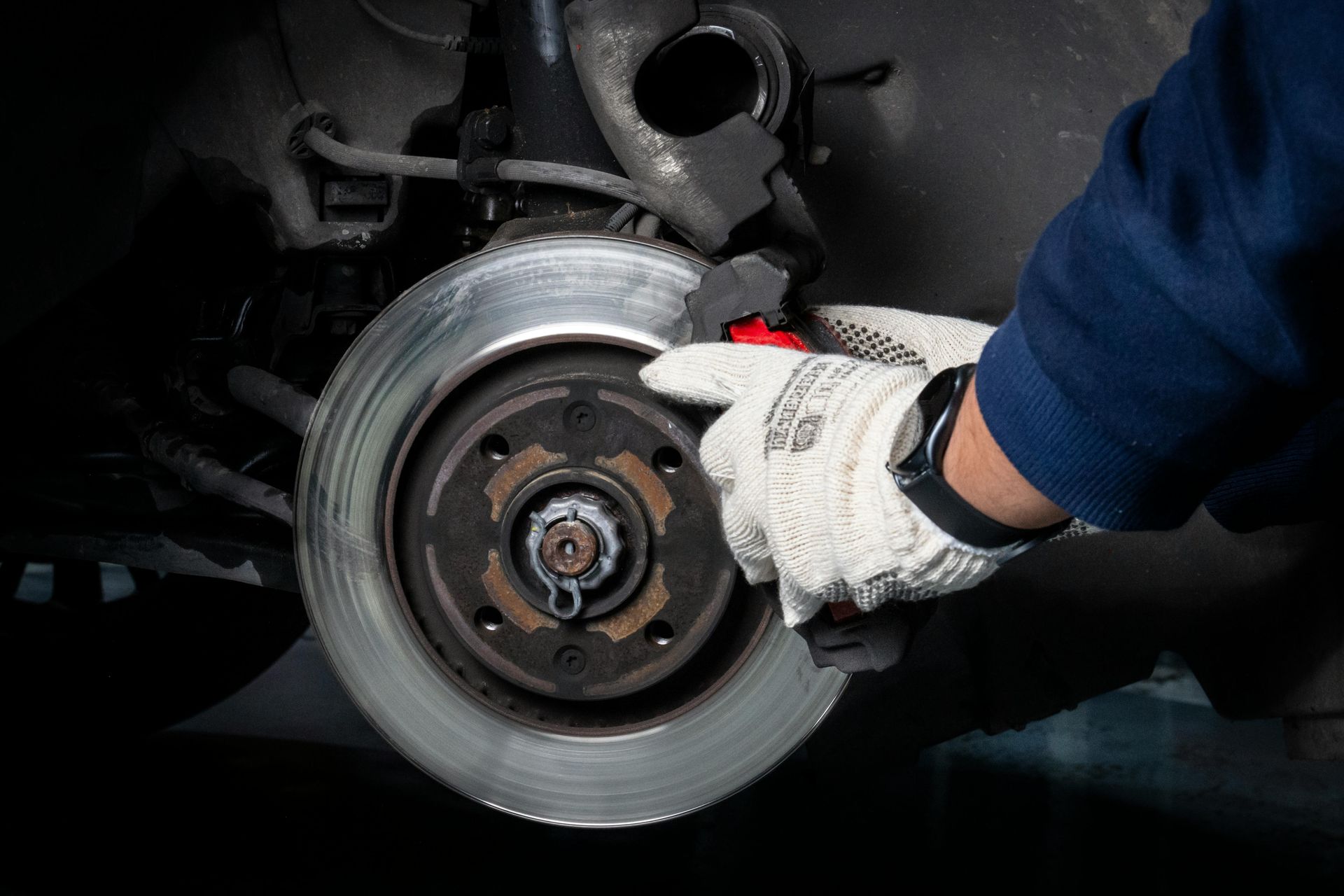
- Inspect the Wheel Speed Sensor – Jack up the affected corner, remove the wheel, and visually inspect the sensor and its wiring. Look for damage, corrosion, or looseness.
- Check Sensor Resistance – Use a multimeter to measure resistance across the sensor terminals. Most Silverado wheel speed sensors should read between 800 and 1,400 ohms at room temperature.
- Inspect the Wiring Harness – Follow the sensor wire up to the frame connector. Look for chafing, broken insulation, or corroded pins.
- Check Brake Light Switch – Press the brake pedal and verify brake lights activate instantly. A delay or failure points to a bad switch.
- Test Battery Voltage – With the engine off, measure voltage at the battery. It should read 12.4V or higher. With the engine running, it should be 13.5–14.5V.
Service ESC Fixes by Silverado Generation
2007–2013 Silverado (GMT900)
This generation is the most prone to Service ESC issues. The brake light switch is a very common failure point and costs under $25 to replace. The EBCM is also known for internal solder joint failure, which some owners repair by re-soldering the board rather than buying a new $400+ module.
- Brake light switch replacement – Located above the brake pedal. Unplug the connector, twist and remove the old switch, install the new one, and adjust the plunger so it activates when the pedal is released.
- EBCM repair or replacement – If multiple wheel speed sensor codes appear simultaneously, suspect the EBCM. Before replacing, check the ground wires on the frame near the module.
- Wheel speed sensor replacement – These press or bolt into the hub assembly. The connector is usually at the frame rail. Disconnect, unbolt, and pull out the old sensor.
2014–2018 Silverado (K2XX)
These trucks use a newer EBCM design with better reliability, but wheel speed sensor failures remain common. The steering angle sensor integrated into the steering column can also cause problems after battery replacement or alignment work.
- Steering angle sensor recalibration – After an alignment or battery disconnect, the SAS may need recalibration. This requires a scan tool with SAS reset capability. Turn the steering wheel lock to lock with the engine running, then perform the reset procedure.
- Hub assembly replacement – On these trucks, the wheel speed sensor is often built into or pressed into the hub bearing assembly. If the bearing is worn, replace the entire hub, which includes a new sensor.
2019–Present Silverado (T1XX)
The newest Silverados have more integrated electronics, and Service ESC warnings are often tied to software issues or module communication faults. Some owners report that a simple battery reset clears the message if it appeared due to a temporary glitch.
- Module software update – Dealerships can reflash the EBCM with the latest calibration to fix known software bugs that trigger false Service ESC warnings.
- Wheel speed sensor inspection – Still a common hardware cause, especially on trucks driven in winter salt conditions.
How Much Does It Cost to Fix Service ESC on a Silverado?
| Repair | DIY Cost | Shop Cost | Difficulty |
|---|---|---|---|
| Wheel speed sensor replacement | $20–$80 | $150–$300 | Easy |
| Brake light switch replacement | $15–$30 | $80–$150 | Easy |
| Steering angle sensor recalibration | $0 with tool | $100–$200 | Moderate |
| EBCM replacement | $250–$500 | $500–$1,000 | Moderate |
| EBCM solder repair | $0–$10 | $150–$300 | Advanced |
| Hub assembly with sensor | $80–$200 | $300–$600 | Moderate |
Can You Drive with the Service ESC Light On?
Yes, you can drive the truck, but you should do so cautiously. With ESC disabled, the system will not intervene during skids or loss of traction. This is especially dangerous on wet, icy, or gravel roads where the system normally applies selective braking to keep the truck straight.
If the ABS light is also on, your anti-lock brakes may not function either, which significantly increases stopping distance on slippery surfaces. Get the issue diagnosed as soon as possible.
How to Prevent the Service ESC Warning from Coming Back
Keep your wheel speed sensors clean, especially after winter driving or off-road trips. Inspect the sensor connectors for corrosion at least once a year.
Use dielectric grease on electrical connectors to prevent moisture intrusion. Ensure your battery is in good condition, as voltage irregularities trigger phantom warnings across multiple modules.
- Clean wheel speed sensors during every brake pad change.
- Apply dielectric grease to sensor connectors and frame harness plugs.
- Replace the battery every 3–5 years or when voltage drops below 12.4V at rest.
- Have the steering angle sensor recalibrated after any front-end alignment work.
Frequently Asked Questions
Does Service ESC mean my Silverado’s transmission is bad?
No. The Service ESC message is related to the stability control and braking systems, not the transmission. However, some transmission issues can trigger reduced engine power mode, which may light up the dash with multiple warnings that look similar.
Why does Service ESC come on and then go away on its own?
Intermittent Service ESC warnings usually point to a wheel speed sensor with a loose connector or early-stage failure. The signal drops momentarily, the EBCM detects it, and the warning appears.
When the signal returns, the system may re-enable. This is a sign the problem will become permanent soon.
Will disconnecting the battery reset the Service ESC light?
Disconnecting the battery for 15–30 minutes may clear the warning temporarily if the fault was caused by a voltage spike or temporary glitch. However, if there is a genuine hardware failure, the light will return once the EBCM detects the same fault on the next drive cycle.
Can a wheel alignment trigger the Service ESC warning?
Yes. If the steering angle sensor is not recalibrated after an alignment, the ESC system sees a mismatch between the steering wheel position and the actual wheel angles.
This can trigger a Service ESC message. Most alignment shops should perform the SAS reset, but not all do.
Is the Service ESC issue covered under warranty or a recall?
GM has issued technical service bulletins (TSBs) for Service ESC on certain Silverado model years, particularly for brake light switch and EBCM issues. Check with your dealer using your VIN to see if any open TSBs or special coverage programs apply. Standard bumper-to-bumper warranty covers this if your truck is still under coverage.
Bottom Line
The Service ESC warning on a Chevy Silverado is almost always a sensor, switch, or wiring issue, not a catastrophic system failure. Start your diagnosis by reading the ABS codes to pinpoint the exact fault.
In most cases, a $20 wheel speed sensor or brake light switch is all that stands between you and a fully functioning stability system. Do not ignore the light, especially if you drive in conditions where traction control actively keeps you safe.
Leave a Reply