
Category: Ford
-
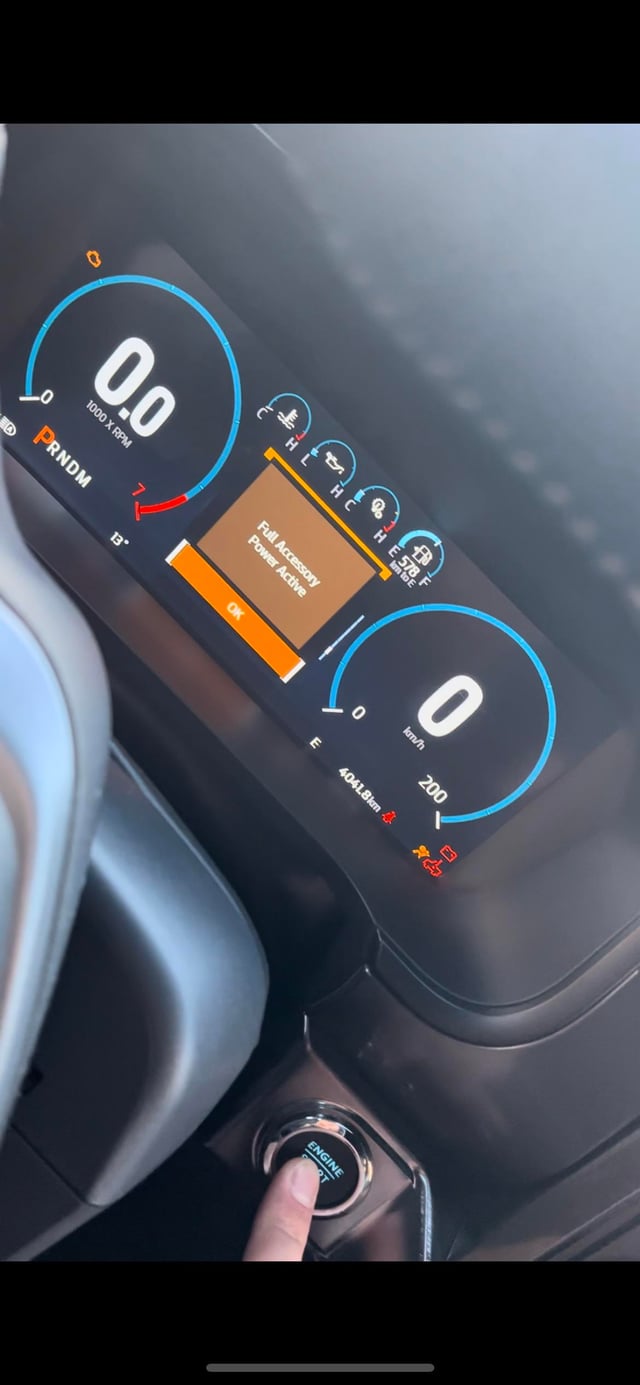
Ford F150 Not Starting? 6 Proven Fixes That Work
A Ford F-150 not starting is most commonly caused by a dead or weak battery, a faulty starter motor, a failed fuel pump, a bad…
-

Ford Edge Ac Blowing Hot Air: Top Causes & Fixes
Ford Edge AC blowing hot air is most commonly caused by low refrigerant from a leak, a faulty blend door actuator, or a failing AC…
-
F350 Death Wobble Fix Complete Guide
The Ford F350 death wobble is a violent, uncontrollable front-end shaking triggered by hitting a bump or pothole at highway speed. It is caused by…
-

6-0 Powerstroke Egr Delete: Complete Diy & Cost Guide
A 6.0 Powerstroke EGR delete removes the exhaust gas recirculation (EGR) valve and cooler from the engine, eliminating a system that is one of the…
-
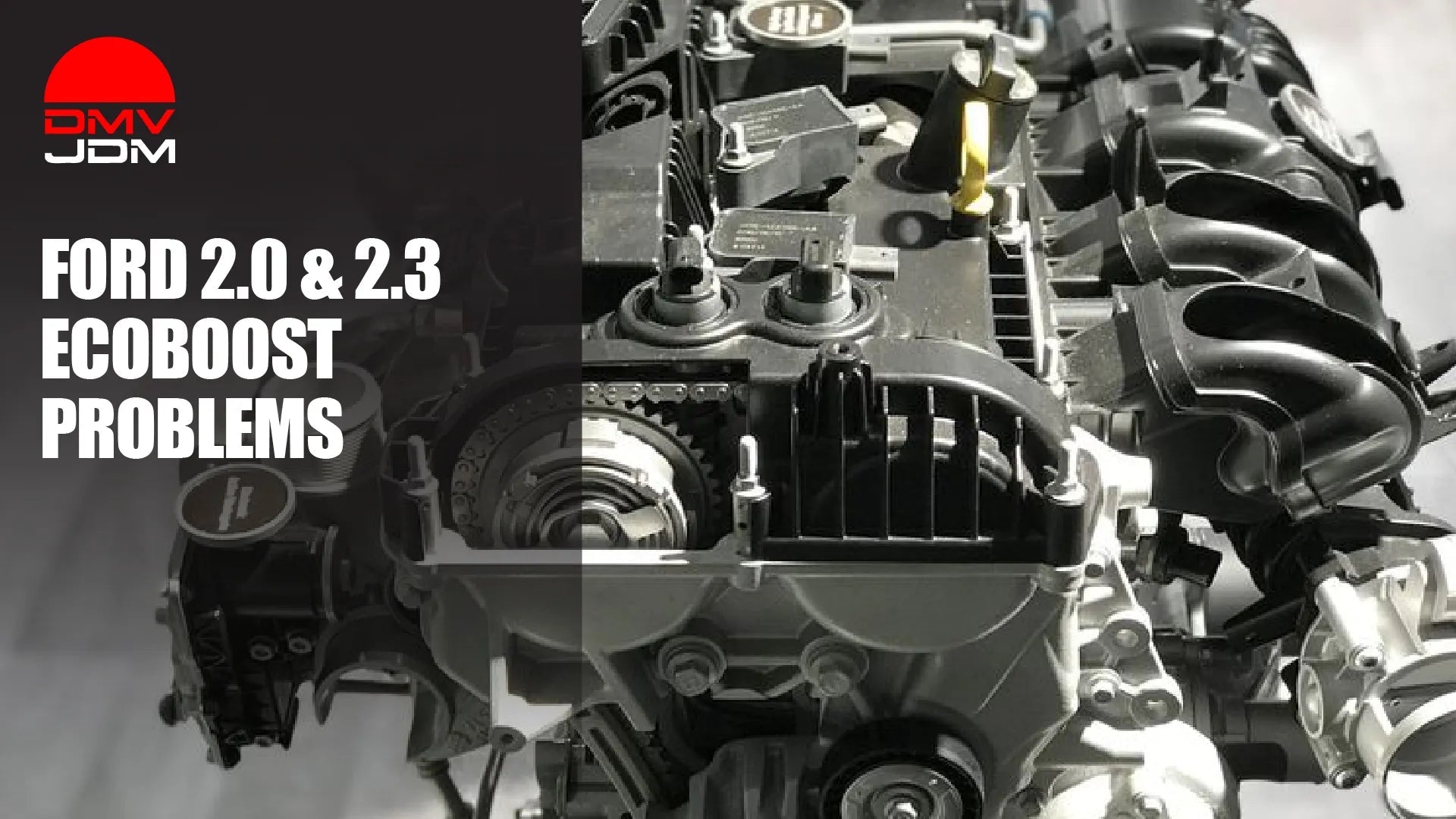
2.0 Ecoboost Problem: Top Issues & Fixes
The most common 2.0 EcoBoost problems are coolant intrusion into the cylinders, excessive oil consumption, turbocharger failure, carbon buildup on intake valves, and timing chain…
-
Ford Edge Transmission Problems: Fixes & Repair Costs
The Ford Edge has well-documented transmission problems across multiple model years, with the 2015–2018 models being the most problematic due to the 6F50/6F35 transmission’s torque…
-
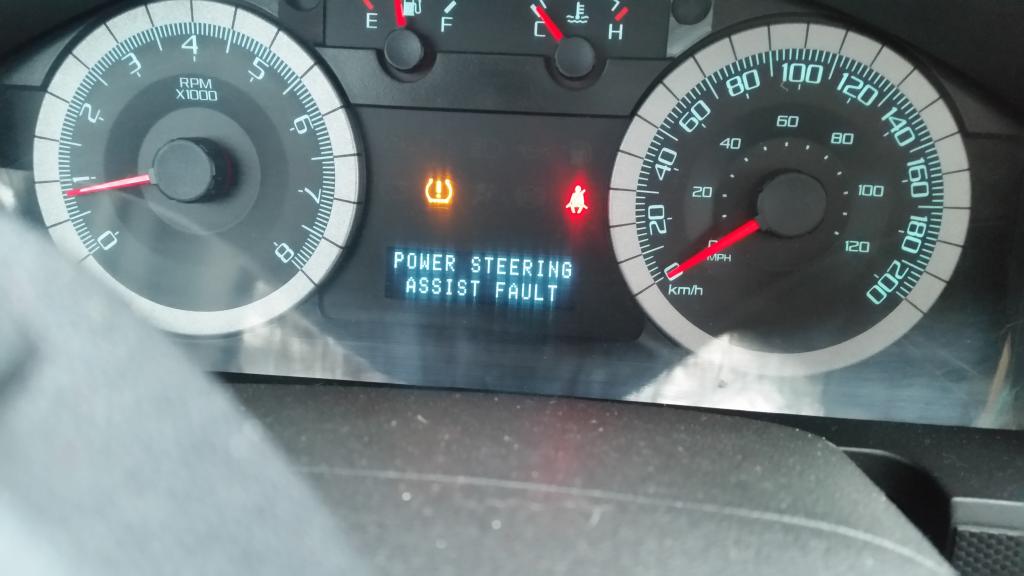
Ford Escape Power Steering Assist Fault: 5 Easy Fixes
The Ford Escape “Power Steering Assist Fault” message means your electric power steering (EPS) system has detected a malfunction in the steering gear, torque sensor,…
-
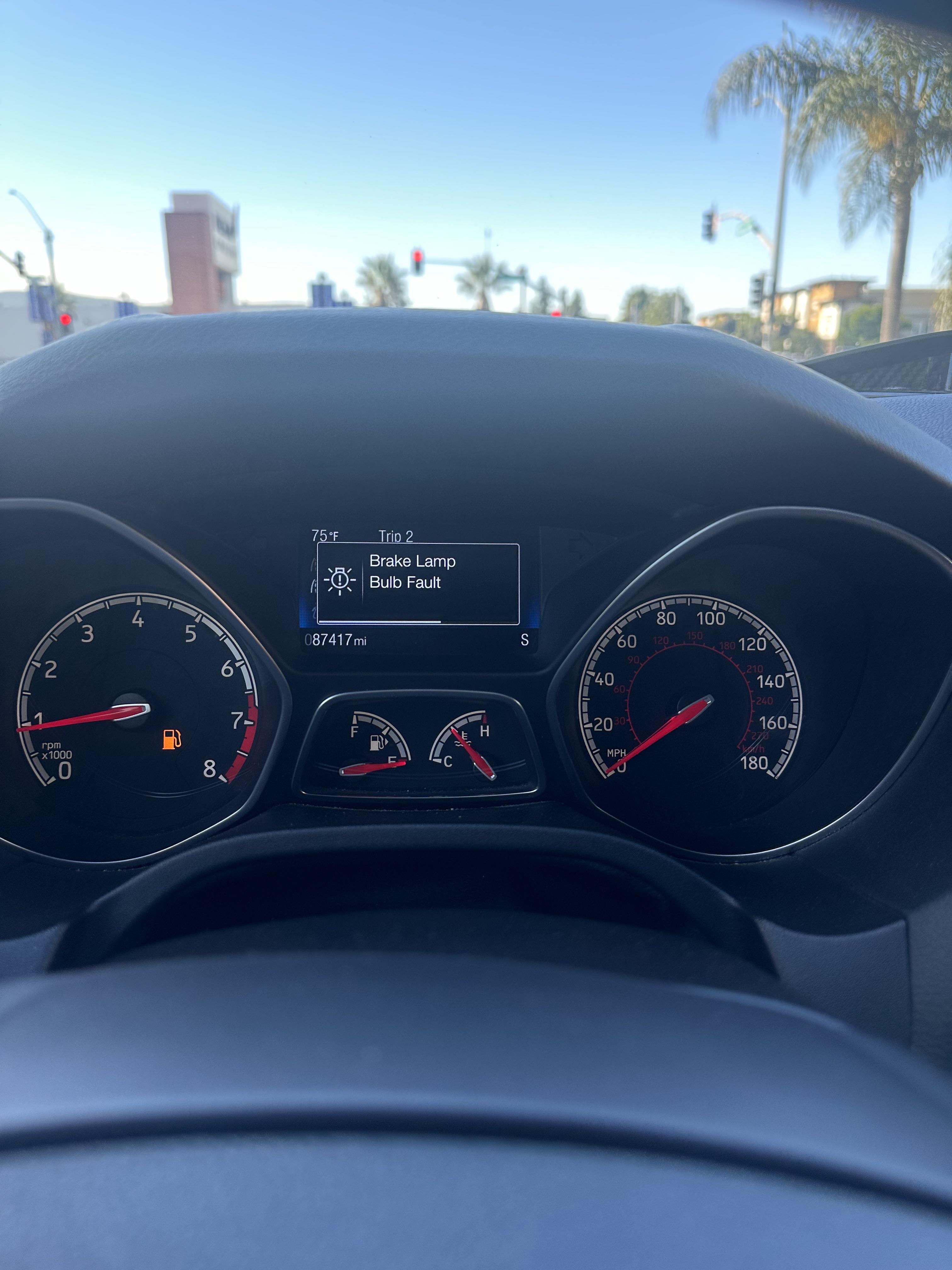
Ford Focus Brake Lamp Bulb Fault: Quick & Easy Fix
A “Brake Lamp Bulb Fault” message on a Ford Focus is most commonly caused by a blown brake light bulb, a corroded or melted bulb…
-
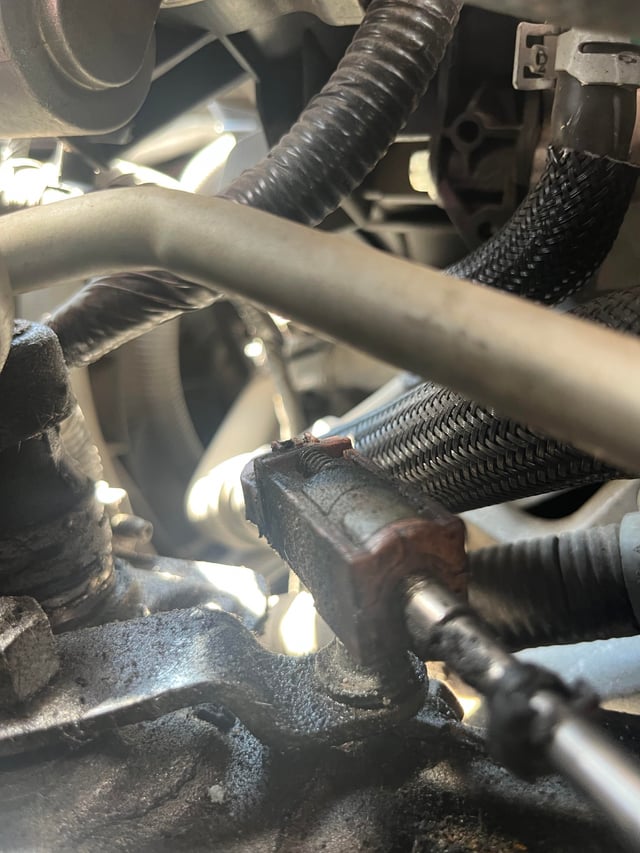
Ford Fusion Shift System Fault: Causes & Fast Fixes
A “Shift System Fault – Service Required” message on a Ford Fusion typically means the vehicle’s electronic shift system has detected a malfunction in the…
-
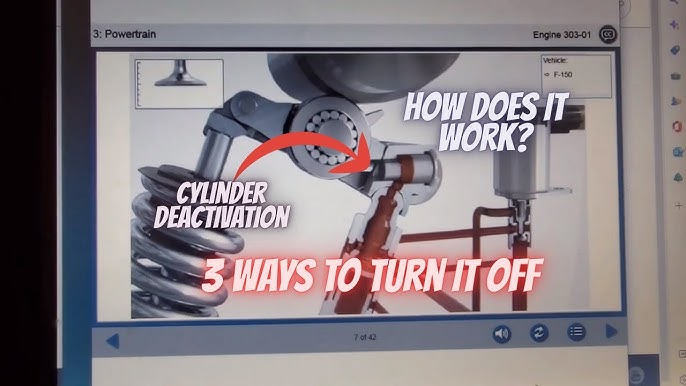
Ford Cylinder Deactivation: Problems & Easy Disable Guide
Ford cylinder deactivation is a fuel-saving technology used in the 5.0L Coyote V8 (2018+) and select EcoBoost engines that shuts down half the cylinders under…