
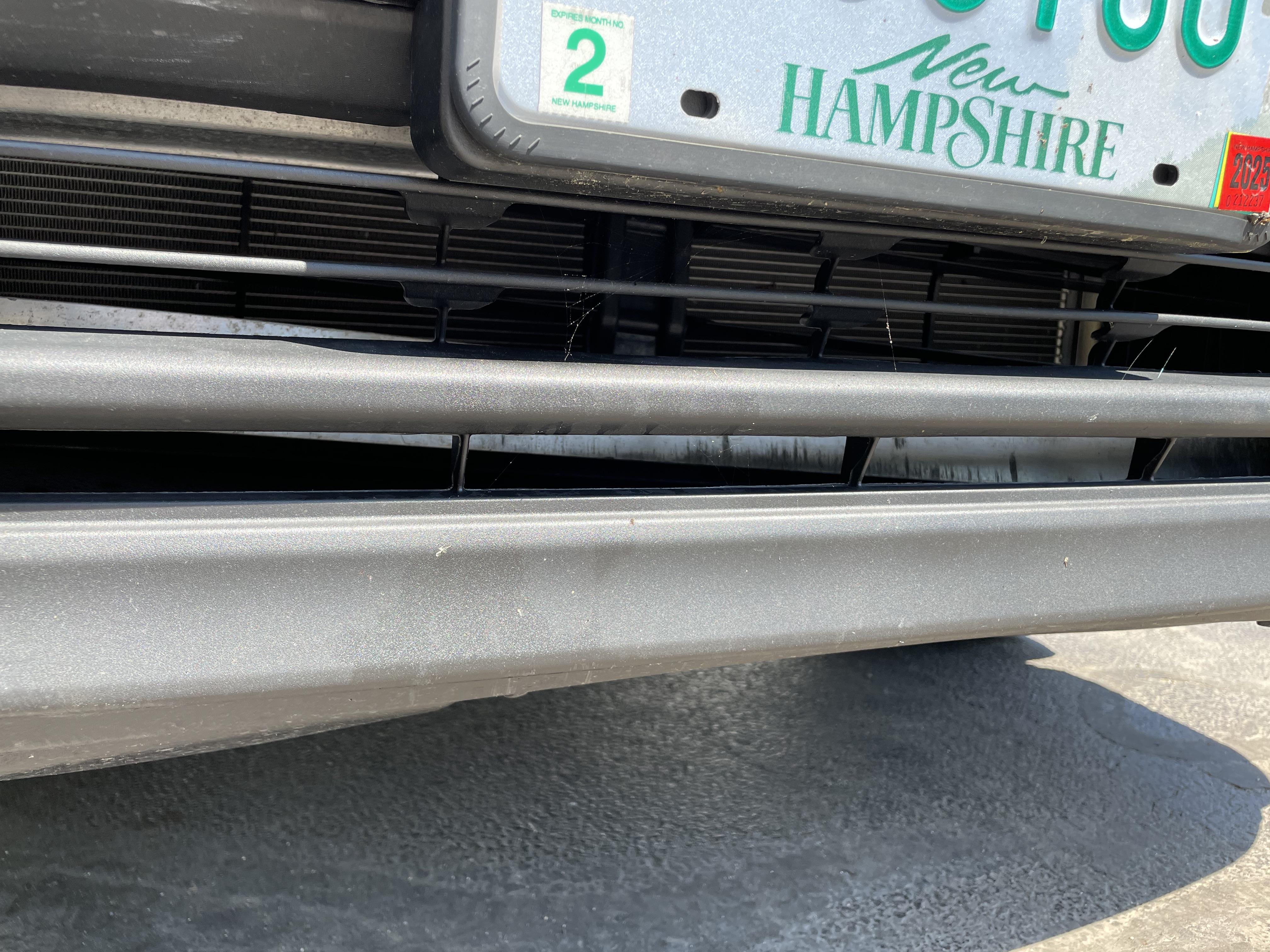
The most common cause of a grille shutter malfunction is a failed electric motor or actuator, often triggered by debris impact, a wiring fault, or a software glitch. Many owners resolve this by resetting the system or clearing debris, but persistent issues typically require replacing the shutter assembly or its motor.
What are the symptoms of a failing active grille shutter system?
A failing active grille shutter system will typically trigger a warning light on your dashboard and may affect your vehicle’s performance. You might notice the “Grille Shutter Malfunction” or a generic “Check Engine” light illuminated. In some cases, the shutters may be stuck in either the fully open or fully closed position, which can impact engine warm-up time or cause overheating concerns.
Common Warning Signs You Shouldn’t Ignore
- Dashboard Warning Light: The most direct indicator, often a specific message or a check engine light with codes like P059F (Active Grille Air Shutter “A” Performance/Stuck Open) or similar manufacturer-specific codes.
- Visible Damage or Obstruction: You can often see the shutters behind your grille. Look for broken slats, a disconnected linkage, or obvious blockages like leaves, plastic bags, or ice.
- Poor Fuel Economy: Shutter vanes stuck open force the engine to work harder to reach operating temperature in cold weather, leading to a noticeable drop in MPG.
- Unusual Engine Temperature Behavior: The engine may take longer to warm up in cold climates. In extreme cases, if stuck closed, it could contribute to overheating, though this is rare.
- Unusual Noises: A clicking, grinding, or whirring noise from behind the front bumper during startup or shutdown can indicate a struggling motor.
Why does the grille shutter system fail? Main causes explained.
Grille shutter systems fail due to a combination of mechanical wear, environmental factors, and electronic faults. The primary culprits are a burned-out motor, physical damage to the delicate shutter blades, or a failure in the control module or wiring harness that governs the system’s operation.
1. Mechanical Failure and Physical Damage
The electric motor or actuator that moves the vanes is a high-failure-rate component. It’s exposed to constant heat cycles and vibration. Furthermore, the thin plastic or composite blades are vulnerable to impact damage from road debris, rocks, or even aggressive pressure washing, which can crack a blade or jam the entire assembly.
2. Electrical and Software Issues
Wiring connectors, especially those located near the lower bumper, can corrode or suffer from broken pins due to moisture intrusion. A weak vehicle battery or a recent jump-start can sometimes cause erratic behavior, requiring a system reset. In some models, a software update from the dealer is needed to resolve false faults.
3. Environmental Blockages
This is one of the most overlooked causes. Accumulated leaves, plastic bags, snow, or ice can physically block the shutters from moving. The system’s motor may then stall, overheat, and eventually fail as it tries to overcome the obstruction.
How to diagnose a grille shutter problem at home.
You can perform a basic diagnosis with a visual inspection and a code reader. First, visually inspect the shutters for damage or blockage. Then, use an OBD-II scanner to retrieve specific diagnostic trouble codes (DTCs) which will point you toward the electrical fault.
Step-by-Step DIY Diagnosis
- Visual Inspection: Safely look behind the grille. Try to move the vanes by hand (engine off). They should move freely with minimal resistance. Note any broken blades.
- Read Trouble Codes: Use an OBD-II scanner to pull codes. Look for codes in the P059X range or manufacturer-specific codes for “Grille Shutter Control.” The code’s description often indicates if it’s a circuit issue (wiring) or a performance issue (stuck).
- Check for Obstructions: Clear any leaves, mud, or ice from the shutter assembly. A garden hose (low pressure) can be used to clean the area thoroughly.
- Listen and Feel: With the ignition on (engine off), listen for the motor actuating. Sometimes you can hear it cycle. If it’s silent when it should be operating, the motor or its power supply is suspect.
How to fix a grille shutter malfunction: DIY repairs vs. dealership costs.
Fixes range from a simple reset to full assembly replacement. For blocked or stuck shutters, cleaning may suffice. If the motor has failed, the entire shutter assembly usually needs to be replaced as a single unit, which can be a manageable DIY job for those comfortable with basic automotive work.
Common DIY Solutions
- System Reset: After clearing debris or fixing a battery issue, try a reset. Disconnect the negative battery terminal for 15-30 minutes, then reconnect. This can clear temporary fault codes.
- Clearing Obstructions: Remove any debris by hand. For ice, using a de-icer spray or allowing the vehicle to warm up in a garage can help free the shutters.
- Motor/Assembly Replacement: The part typically costs between $150 and $400. Replacement usually involves removing the front bumper fascia or splash shield to access the mounting bolts and electrical connector.
Dealership vs. Independent Shop
A dealership will often quote $600-$1,200 for the repair, citing OEM parts and diagnostic fees. A trusted independent shop can usually perform the same repair for $300-$700 using OEM or quality aftermarket parts. Always get a detailed quote that separates parts and labor.
Model-specific grille shutter problems and fixes.
Certain makes and models are notorious for specific grille shutter failure patterns, often discussed extensively in owner forums. Knowing your vehicle’s common weak points can save you diagnostic time and money.
Ford & Lincoln (F-150, Mustang, Explorer, Navigator)
Ford trucks and SUVs are prone to shutter failures, especially in colder climates with road salt. The motor and linkage are common failure points.
Many owners on forums report success with cleaning corroded connectors before replacing the unit. An updated shutter assembly from Ford often addresses earlier design flaws.
GM (Chevrolet Silverado, GMC Sierra, Tahoe, Escalade)
GM full-size trucks and SUVs commonly experience shutter blade breakage from debris. The control module can also fail.
A popular DIY fix involves replacing just the actuator motor if the rest of the assembly is intact, though GM typically sells it as a complete unit. Check for TSBs (Technical Service Bulletins) related to your model year.
Stellantis (Chrysler, Dodge, Ram, Jeep)
Ram trucks and Jeep Grand Cherokees have reported issues with the shutter system throwing codes and entering a failsafe mode. Wiring harness chafing near the radiator support is a documented cause on some models. A thorough inspection of the wiring for damage is a critical diagnostic step before replacement.
Frequently Asked Questions
Can I drive with a grille shutter malfunction?
Generally, yes, for a short period. The system is designed to fail in a safe position (usually open).
However, driving long-term with it open will reduce fuel efficiency. If stuck closed, monitor engine temperature closely, as it could contribute to overheating under heavy load.
Will a grille shutter malfunction cause my vehicle to fail an emissions test?
It can. In many regions, an illuminated check engine light (which this malfunction often causes) is an automatic failure for an OBD-II emissions test. You must repair the fault and clear the code before testing.
Is there a way to permanently disable the active grille shutter system?
While some aftermarket tuners offer software deletes, this is not recommended. Disabling the system may violate federal emissions regulations (as it’s part of the certified powertrain) and can negatively impact fuel economy and cold-weather performance. The proper fix is to repair the faulty component.
Final Verdict: Don’t Overpay for a Simple Fix
A grille shutter malfunction is a frequent and well-understood issue on modern vehicles. Before authorizing an expensive repair, take the time to visually inspect the shutters for obvious damage or blockage and retrieve the specific fault codes.
Many of these systems can be repaired by a competent DIYer, saving hundreds of dollars. For complex electrical faults, a knowledgeable independent shop will provide a more cost-effective solution than the dealership, without compromising on quality.
Leave a Reply