
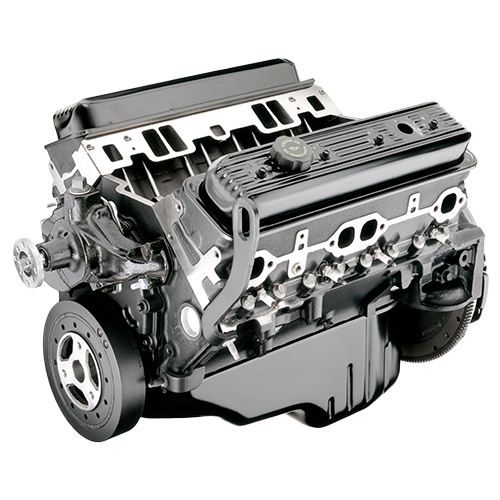
The L31 is a 5.7-liter Vortec V8 engine produced by General Motors from 1996 to 2002. It is part of the Chevrolet small-block engine family, known for its “Generation I” design but with updated “Vortec” cylinder heads for improved airflow and efficiency. It was commonly found in Chevrolet and GMC trucks, vans, and SUVs like the Silverado, Sierra, Tahoe, and Suburban.
What are the exact horsepower and torque specs for the L31 5.7 Vortec?
The L31 Vortec 5700 was rated at 255 horsepower at 4,600 RPM and 330 lb-ft of torque at 2,800 RPM in its most common truck and SUV configuration. This output was a significant improvement over the older L05 engine it replaced, thanks largely to its superior cylinder heads.
However, power ratings varied slightly depending on the vehicle application and year. For example, engines installed in vans sometimes had slightly different tuning.
The core specs, though, remained consistent across the vast majority of its production run.
Key Engine Specifications at a Glance
While 255 horsepower might seem modest today, the L31’s real strength was its broad, usable torque curve. That 330 lb-ft of torque coming on early at 2,800 RPM made it feel powerful in daily driving and towing scenarios, which is exactly what these trucks needed.
What common problems does the L31 5.7 Vortec engine have?
The L31 is generally a robust engine, but it has several well-documented weak points that mechanics see repeatedly. The most notorious issues are intake manifold gasket failure, central “spider” fuel injector malfunction, and consistent oil leaks from the valve covers and oil cooler lines.
Many of these problems stem from GM’s cost-cutting decisions with plastic components and poor gasket designs. Understanding these common failures is key to diagnosing issues correctly and avoiding overpriced repairs.
1. Intake Manifold Gasket Failure (The Biggest Killer)
This is the single most common and severe problem on the L31. The intake manifold gaskets are made of a weak plastic and rubber composite that degrades over time, especially with heat cycles and exposure to coolant.
- Symptoms: Coolant leak (often internal), rough idle, engine overheating, milky oil (if coolant mixes with oil), check engine light with codes like P0300 (random misfire).
- The Real Cause: The original equipment (OE) gaskets are simply not durable. They compress, warp, and break down, allowing coolant to leak into the engine crankcase or externally.
- The Fix: Replace the intake manifold gaskets with an upgraded, metal-core or more durable aftermarket kit. This is a labor-intensive job but is critical. Many shops quote over $1,000, but a competent DIYer can tackle it for parts cost alone ($100-$200).
2. Central Fuel Injector (Spider) Failure
The L31 uses a “Central Sequential Fuel Injection” system. The injectors are not on the intake runners; instead, a central “spider” assembly sits under the intake manifold, with poppet-style nozzles that spray fuel into each runner.
- Symptoms: Hard starting, especially when hot; severe hesitation or stumbling when accelerating; poor fuel economy; check engine light with misfire codes or lean/rich codes.
- The Real Cause: The poppet valves in the original injectors clog or stick. The system is also notorious for developing fuel pressure leaks when hot, causing vapor lock.
- The Fix: The best solution is to replace the entire “spider” assembly with an updated design. Some kits convert to a more reliable multi-port system. Replacing just the poppet valves is a temporary fix at best.
3. Persistent Oil Leaks
If your L31 isn’t leaking oil, it’s probably just low on oil. Common leak points are predictable.
- Valve Cover Gaskets: The cork/rubber gaskets shrink and harden. Replacing them with modern silicone gaskets is a straightforward fix.
- Oil Cooler Lines: The lines running from the engine block to the oil filter adapter are notorious for leaking at the crimp fittings. Replacing the entire hose assembly is the only reliable repair.
- Rear Main Seal: This seal can leak, but it’s less common than the above. Confirm it’s not just the oil pan gasket before undertaking this major job.
How does the L31 5.7 Vortec compare to the LS1 5.7?
The L31 and LS1 are both 5.7-liter V8s, but they are from different engine families with fundamentally different designs. The L31 is a “Generation I” small-block with a cast iron block and heads, a two-valve pushrod (OHV) design, and a traditional distributor ignition. The LS1 is a “Generation III” small-block with an aluminum block and heads, a more advanced two-valve pushrod design, coil-near-plug ignition, and significantly better flow.
This isn’t just a minor update; it’s a revolutionary leap. The LS1 is lighter, more powerful, more efficient, and responds better to modifications. Here’s a direct comparison:
For a truck owner, the L31 is a workhorse you maintain and fix. The LS1, found in Corvettes, Camaros, and Firebirds (and later trucks as the LS-based Vortec), is a performance engine you can build upon. The swap from an L31 to an LS-series engine is one of the most popular performance upgrades for GMT400 (1988-1998) trucks.
FAQ
Is the L31 5.7 Vortec a good engine?
Yes, it is a very good, proven, and durable engine when its known weak points are addressed. It’s a simple, straightforward design that is easy to work on, parts are cheap and widely available, and it delivers strong, reliable torque for its intended truck duties. Its reputation suffers not from being a bad design, but from GM’s choice of subpar intake gaskets and injector systems.
What is the oil capacity for an L31 5.7 Vortec?
With a filter change, the L31 takes 6 quarts of oil. Always use the oil viscosity recommended in your owner’s manual, typically 5W-30. Given the engine’s age and tendency for leaks, using a high-mileage oil with seal conditioners can be beneficial.
Can you put an LS intake on an L31 block?
No, you cannot bolt an LS intake manifold directly onto an L31 block. The L31 uses the traditional “Generation I” small-block bolt pattern and cylinder head design. The LS family uses a completely different head and intake manifold bolt pattern. To run LS-style components, you must perform an entire LS engine swap or use aftermarket adapter kits that are complex and often not cost-effective.
Final Verdict: The L31 is a Workhorse Worth Maintaining
The Chevrolet L31 5.7 Vortec engine is the last and best evolution of the classic 350 small-block for trucks. It’s not the most efficient or powerful, but it is a rugged, simple, and deeply understood platform. Its common failures are well-documented and have straightforward solutions.
For owners, the key is proactive maintenance—especially addressing the intake gaskets before they cause catastrophic internal damage. Do that, and this engine will reliably power your truck for hundreds of thousands of miles. It remains a favorite among DIY mechanics for its simplicity and the abundance of available knowledge and parts.
Leave a Reply