
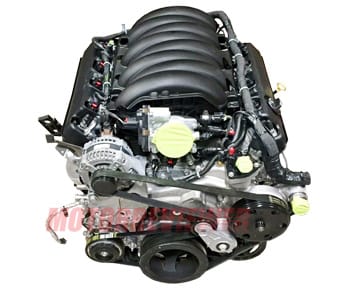
The L83 5.3L V8 EcoTec3 engine found in 2014+ GM trucks and SUVs suffers from excessive oil consumption, AFM/DOD lifter failure, carbon buildup on intake valves, timing chain stretch, and direct injector problems. These issues stem from the combination of Active Fuel Management cylinder deactivation, a flawed PCV system, and the inherent design limitations of direct injection without port injection to keep intake valves clean.
What Are the Most Common L83 5.3L Engine Problems?
The L83 5.3L EcoTec3 V8 has several well-documented failure points that owners encounter between 60,000 and 150,000 miles. The most reported issues include catastrophic AFM lifter collapse, excessive oil consumption ranging from 1 to 2 quarts between changes, carbon-caked intake valves, stretched timing chains, and failing direct fuel injectors. Each of these problems has distinct warning signs, root causes, and specific repair paths that vary depending on your model year and how the vehicle was maintained.
GM used the L83 in the Chevrolet Silverado 1500, Tahoe, Suburban, GMC Sierra 1500, Yukon, and Yukon XL from 2014 through 2020. If you own any of these vehicles, understanding these failure patterns can save you thousands in misdiagnosis or unnecessary shop labor.
Which Model Years Are Most Affected?
- 2014-2018 models experience the highest rates of AFM lifter failure and oil consumption due to first-generation AFM hardware and piston ring design.
- 2019-2020 models received some revisions but still carry the same fundamental architecture and remain susceptible to carbon buildup and timing chain wear.
- All L83 model years are vulnerable to direct injector carbon fouling and PCV system issues regardless of mileage.
Why Does the L83 Engine Consume So Much Oil?
Excessive oil consumption in the L83 is caused by a combination of thin piston ring design, AFM cylinder deactivation creating uneven cylinder wear, and a PCV system that recirculates oil vapor back into the intake at an aggressive rate. GM’s specification of 0W-20 oil exacerbates this because the thin oil slips past rings and valve seals more easily under load.
Owners commonly report burning 1 to 2 quarts of oil between 5,000-mile oil change intervals, and GM has acknowledged the issue with multiple TSBs but never issued a full recall for the root cause. Dealerships will often tell you this consumption is “within spec,” but burning a quart every 2,000 to 3,000 miles is a clear sign of wear beyond acceptable limits.
Cause 1: Piston Ring Design and Blowby
GM used low-tension, thin piston rings in the L83 to reduce internal friction and improve fuel economy. These rings seal poorly under sustained high-RPM driving or heavy towing, allowing oil to pass into the combustion chamber and burn off through the exhaust. The rings also lose tension faster than traditional thicker rings as the engine accumulates miles.
Cause 2: AFM Cylinder Deactivation Side Effects
When AFM deactivates four of eight cylinders, those cylinders operate at drastically different temperatures and pressures than the active cylinders. Over time, this creates uneven cylinder wall glazing and accelerated ring wear on the deactivated cylinders, which is why compression tests on AFM-equipped engines often show uneven readings between cylinders.
Cause 3: Aggressive PCV System Pulling Oil Into the Intake
The L83’s PCV valve and integrated valve cover breather system routes excessive oil vapor into the intake manifold. This oil coats the intake runners and contributes to oil loss that owners cannot easily identify. A catch can installed inline on the PCV line can collect this oil and dramatically reduce consumption in many cases.
How to Fix Excessive Oil Consumption
- Install a quality oil catch can on the PCV line to intercept oil vapor before it enters the intake. This is the cheapest and most effective first step.
- Switch from 0W-20 to 5W-30 oil if you tow, haul, or drive in warm climates. The slightly thicker oil improves ring sealing without affecting fuel economy noticeably.
- Disable the AFM system using a Range Technology AFM disabler plugged into the OBD-II port. This keeps all eight cylinders active full-time and prevents the uneven wear pattern.
- If consumption exceeds 1 quart per 1,500 miles, the rings and lifters likely need replacement, which involves pulling the heads and performing a full top-end rebuild.
What Causes AFM/DOD Lifter Failure in the L83?
AFM lifters fail because the internal locking mechanism that collapses the plunger to deactivate the cylinder sticks, fails to re-engage, or loses hydraulic pressure. When this happens, the affected cylinder loses all valve control, and the lifter physically damages the camshaft lobe it rides on. The result is a loud ticking or knocking noise, a misfire code (typically P0300 through P0307), and in severe cases, catastrophic engine damage requiring a full engine replacement.
This is the single most expensive and widespread failure on the L83, and it typically occurs between 80,000 and 130,000 miles. Some owners report it happening as early as 40,000 miles, especially on trucks that see heavy idling or short-trip driving where the oil never fully warms up.
Warning Signs You Should Not Ignore
- Persistent ticking or knocking noise from the driver-side valve cover at cold start that does not go away after warmup.
- Check engine light with misfire codes P0300 through P0307, especially on cylinder 1, 4, 6, or 7 (the AFM cylinders).
- Rough idle, loss of power, and noticeably poor fuel economy.
- Metal shavings in the oil filter when you cut it open during an oil change.
Repair Options and Their Real-World Costs
| Repair Path | Estimated Cost | Notes |
|---|---|---|
| AFM disabler installed early (preventive) | $100 – $130 | Does not fix existing damage but prevents future failure |
| Lifter and camshaft replacement (non-AFM conversion) | $2,500 – $4,500 | Requires deleting AFM hardware and retuning the ECU |
| Full engine replacement with non-AFM long block | $5,000 – $8,500 | Best option when cam lobes are damaged beyond repair |
How to Prevent AFM Lifter Failure
- Install an AFM disabler immediately if you have not already experienced failure. This is the single best $120 you will spend on this engine.
- Change your oil every 4,000 to 5,000 miles with a high-quality full synthetic. Dirty oil accelerates lifter plunger sticking.
- Never ignore a ticking noise at startup on these engines. Early diagnosis can save the camshaft and prevent a $5,000+ repair from becoming necessary.
- Consider a full AFM delete with a non-AFM camshaft and standard lifters if you are already tearing into the engine for any top-end work.
How Do You Fix Carbon Buildup on L83 Intake Valves?
Carbon buildup on intake valves is an unavoidable problem with the L83’s direct injection system. Because fuel is sprayed directly into the combustion chamber and never washes over the back of the intake valves, oil vapor from the PCV system and EGR gases bake onto the hot valve stems and form hard carbon deposits. This restricts airflow, reduces performance, and causes rough idle and misfires.
Unlike port-injected engines where fuel continuously cleans the valves, the L83 has no mechanism to prevent this buildup. Most owners notice symptoms between 60,000 and 100,000 miles, and the only fix is a walnut blasting service or chemical intake valve cleaning.
Walnut Blasting vs. Chemical Cleaning
- Walnut blasting uses crushed walnut shells blasted at high pressure to physically remove carbon from the valve surfaces. This is the most thorough method and costs $400 to $700 at a competent independent shop.
- Chemical cleaning involves spraying intake valve cleaner through the throttle body or using a specialized tool that allows direct access to the valve backs. This is less effective on heavy deposits but works as a maintenance procedure every 30,000 miles.
- Installing a catch can reduces the rate of carbon buildup by capturing oil vapor before it reaches the intake valves, extending the interval between cleanings.
What Are the Signs of Timing Chain Stretch on the L83?
Timing chain stretch on the L83 manifests as a rough or erratic idle, check engine light with camshaft/crankshaft correlation codes (P0016, P0017, P0018, P0019), and a rattling noise from the front of the engine on cold startup. The chain elongates over time due to the tensioner design and oil quality degradation, which retards cam timing and reduces engine performance and efficiency.
Most L83 engines develop measurable timing chain stretch by 100,000 miles, and severe stretch beyond 5-6 degrees of cam retard can trigger persistent codes and cause the engine to enter reduced power mode. If left unaddressed, the chain can skip a tooth or break entirely, causing piston-to-valve contact and catastrophic engine failure.
Repair and Prevention
- Replace the timing chain, tensioners, and guides as a full kit when stretch exceeds 5 degrees of cam-crank correlation variance. This typically costs $1,200 to $2,500 at an independent shop.
- Use high-quality full synthetic oil changed at 5,000-mile intervals. Clean oil is the single best defense against premature timing chain wear.
- Do not ignore P0016 through P0019 codes. These codes indicate measurable stretch, and continuing to drive on a stretched chain risks complete failure.
Are L83 Direct Fuel Injectors a Known Failure Point?
Yes, the L83’s high-pressure direct fuel injectors are a documented weak point. These injectors operate at extremely high pressures (up to 2,175 psi) and are prone to internal seal failure, tip clogging, and electrical connector corrosion. Symptoms include rough idle, hard starting, misfires, fuel smell from the exhaust, and excessive fuel in the oil (fuel dilution) that thins the oil and accelerates internal engine wear.
Diagnosis and Replacement
- A balance rate test performed with a capable scan tool can identify which specific injector is underperforming by comparing fuel delivery volumes across all eight cylinders.
- Fuel in the oil is a serious concern with failing injectors. Pull your dipstick and smell it. If it smells strongly of gasoline, stop driving and diagnose immediately.
- Replacement injectors cost $150 to $300 each, and labor runs $400 to $800 for all eight. Always replace the injector seals and hold-down hardware at the same time.
- Use top-tier gasoline with proper detergent levels to reduce injector tip clogging. Cheap fuel accelerates injector failure on direct injection engines.
Frequently Asked Questions About L83 Engine Problems
Is the L83 5.3L engine reliable if maintained properly?
The L83 can be a reasonably reliable engine if you disable AFM, use quality oil at proper intervals, install a catch can, and stay ahead of carbon buildup and timing chain maintenance. The core shortblock design is sound, but the ancillary systems (AFM, PCV, direct injection) introduce failure points that require proactive owner intervention.
Should I buy a used truck with the L83 engine?
You can, but verify the maintenance history thoroughly, check for misfire codes, listen for lifter ticking at cold startup, and plan to install an AFM disabler and catch can immediately. Budget for walnut blasting and a timing chain service if the truck has over 80,000 miles with no documented history of those repairs.
Can I disable AFM without a tune?
Yes, a Range Technology AFM disabler plugs into the OBD-II port and prevents the ECU from activating AFM without modifying the factory tune. This is the safest and most reversible method. A full AFM delete with a custom tune is more thorough but requires mechanical removal of AFM hardware.
How long does an L83 engine last with all problems addressed?
With AFM deleted, regular oil changes, catch can installed, and timing chain replaced proactively, many L83 engines exceed 200,000 to 250,000 miles without major internal failure. The key is treating the known weak points before they cause cascading damage rather than reacting after something breaks.
Does GM offer any warranty extension for L83 engine problems?
GM has issued TSBs for oil consumption and lifter noise but has not issued a broad warranty extension or recall for the L83’s core design issues. Some owners have received goodwill repairs through dealer negotiation, but this is inconsistent. Extended powertrain warranties purchased separately are the most reliable financial protection.
Take Ownership of Your L83 Before It Costs You
The L83 5.3L engine is not inherently a bad engine, but it is an engine that demands more owner awareness than GM intended. The AFM system, thin rings, aggressive PCV routing, and direct injection each introduce predictable failure modes that you can manage, prevent, or delay with inexpensive interventions.
A $130 AFM disabler, a $100 catch can, 5,000-mile oil changes with quality synthetic, and a proactive timing chain inspection at 80,000 miles are the difference between an L83 that runs clean past 200,000 miles and one that drops a lifter at 100,000 and costs you $6,000 to fix. Know the problems, act early, and this engine will serve you well for years.
Leave a Reply