
The “Volvo Alarm System Service Required” message indicates a fault in your vehicle’s anti-theft alarm system, most commonly caused by a dead or weak backup battery inside the alarm siren module, a faulty hood switch, a failing door trigger, or a degraded car battery. The fix is often as simple as replacing the siren module’s internal battery or swapping the entire siren unit—repairs many owners can do at home for under $30 instead of paying a dealership $400–$800.
What Does “Alarm System Service Required” Mean on a Volvo?
This dashboard message means your Volvo’s alarm system has detected an internal fault and has likely disabled itself. It does not mean your car won’t start or that the immobilizer has locked you out. It does mean your vehicle’s anti-theft protection is compromised until the fault is resolved.
The Volvo alarm system is integrated into the Body Control Module (BCM) and relies on multiple sensors: door switches, hood latch sensor, interior motion sensor, and the siren module with its own backup battery. When any of these components fail or report abnormal readings, the system flags the error and displays the message.
On most Volvo models from 2001 onward (P2, P3, and SPA platforms), this message is stored as a Diagnostic Trouble Code (DTC) readable through Volvo’s VIDA/DiCE diagnostic system or compatible OBD2 tools with Volvo-specific software.
Models Commonly Affected
- Volvo S60, V60 (2001–2024 all generations)
- Volvo XC60 (2009–2024 all generations)
- Volvo XC90 (2003–2024 all generations)
- Volvo S80, V70, XC70 (1999–2016)
- Volvo C30, C70 (2006–2013)
- Volvo S40, V50 (2004–2012)
What Causes the Volvo Alarm System Service Required Message?
There are several distinct causes, and identifying the right one saves you from replacing parts you don’t need. In real-world shop experience, the siren module and its internal battery are the number one culprit. This is followed by the hood switch and low vehicle battery voltage.
Cause 1: Dead Siren Module Backup Battery
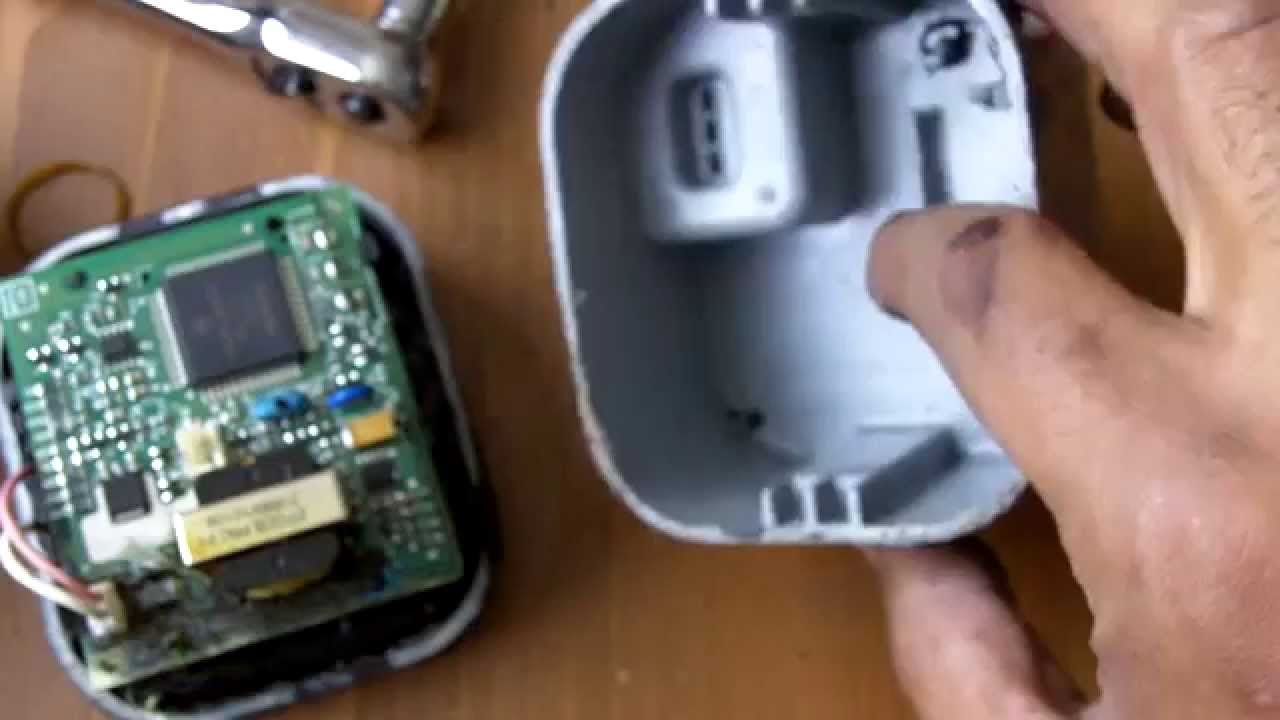
Every Volvo alarm siren module contains a small rechargeable backup battery—typically a NiMH or lithium cell—designed to power the siren if a thief cuts the car’s main battery cables. Over time (usually 6–12 years), this internal battery degrades, leaks, and corrodes the circuit board. When the siren module detects a failed backup battery, it triggers the “Alarm System Service Required” message.
You can verify this by removing the siren module and opening it. Corrosion on the battery contacts and green residue on the PCB are telltale signs. Many owners report that simply cleaning the contacts and replacing the battery restores full function.
Cause 2: Faulty Hood Latch Switch
The hood switch tells the alarm system whether the hood is open or closed. When this switch fails—usually from moisture intrusion, corrosion, or broken wiring—the alarm system sees inconsistent signals and throws the service message. This is especially common on P2 platform Volvos (S60, V70, XC70, XC90 2003–2014) where the switch sits exposed to road spray.
Cause 3: Low or Failing Vehicle Battery
When your car battery drops below approximately 11.5 volts, multiple modules start reporting communication faults. The alarm system is particularly sensitive to voltage drops. If you see this message appear right after the car has sat for several days, or during cold weather starts, a weak battery is likely the root cause.
Cause 4: Interior Motion Sensor Failure
The cabin sensor (ultrasonic or infrared, depending on model) detects movement inside the vehicle. If the sensor fails or its wiring degrades, the alarm system registers a fault. This is less common but does appear on XC90 and S80 models with the tilt sensor and interior monitoring package.
Cause 5: Door, Tailgate, or Trunk Switch Malfunction
A door ajar switch that sends intermittent signals confuses the alarm logic. If one of your door switches is sticky, corroded, or misaligned, the alarm system may interpret this as a fault. Check if the dome light behaves erratically or if the message appears only after closing a specific door.
Cause 6: Alarm Control Module (ACM) Software or Hardware Failure
In rare cases, the alarm control module itself has a hardware fault or needs a software update. This is the least common cause but is what dealerships often default to diagnosing because it results in the most expensive repair.
How to Diagnose Your Volvo Alarm System at Home
Before spending money at a shop, you can narrow down the problem with a systematic approach. This diagnostic process mirrors what a competent independent Volvo technician would do.
- Check your car battery first. Use a multimeter to measure voltage at the terminals with the engine off. Anything below 12.4V is suspect. Fully charge or replace the battery, clear codes, and see if the message returns.
- Scan for alarm-specific DTCs. Use VIDA/DiCE, iCarsoft VA-II, Autel, or a BlueDriver-compatible scanner. Look for codes like DEM-1A11, DEM-1A22, or CEM-related alarm faults. The code tells you exactly which sensor or module flagged the error.
- Test the hood switch. Open the hood, locate the switch near the latch, and manually press and release it while monitoring scanner data. The switch should toggle cleanly between open and closed. If the reading jumps or stays stuck, the switch is faulty.
- Inspect the siren module. On most Volvos, the siren is located behind the front bumper on the passenger side or inside the front fender liner. Remove it and inspect the internal battery and PCB for corrosion.
- Check door and tailgate switches. Close each door one at a time and observe whether the dashboard shows “door open” correctly for each one. An intermittent switch is a strong alarm fault source.
How to Fix Volvo Alarm System Service Required
The fix depends entirely on what caused the fault. Below are the solutions organized by the most common causes, with model-specific notes where applicable.
Fix 1: Replace the Siren Module Battery or Entire Siren
This is the most common and cost-effective repair. The siren module part number varies by model and year, but many are interchangeable across the P2 platform.
DIY Siren Battery Replacement Steps
- Locate the siren module (typically behind the front bumper, passenger side, secured with one or two bolts).
- Unplug the wiring harness connector and remove the module.
- Open the siren housing by carefully prying the case apart or removing screws.
- Identify the backup battery—usually a small cylindrical or rectangular NiMH cell soldered to the board.
- Desolder the old battery. Clean any corrosion on the PCB with isopropyl alcohol and a soft brush.
- Solder in a new battery of the same type and voltage rating.
- Reassemble the module, reinstall it, and clear the DTC codes with a scanner.
Cost: A replacement battery cell costs $3–$10. An entire new siren module costs $30–$80 aftermarket or $150–$250 from the dealer.
Common Volvo Siren Module Part Numbers
Fix 2: Replace the Hood Latch Switch
The hood switch is a small, inexpensive part that clips or bolts onto the hood latch assembly. On P2 models, it is accessible from above after removing the engine cover trim panel. On P3 and SPA models, you may need to remove the under-hood sound insulation panel.
Cost: The switch itself costs $15–$40. Replacement takes 15–30 minutes. No programming is needed—just clear codes afterward.
Fix 3: Replace or Recharge the Vehicle Battery
If your main battery is over four years old and testing below 12.4V at rest, replace it. Volvo models with Start/Stop systems require AGM batteries and may need battery registration through VIDA or a compatible scan tool after replacement.
Fix 4: Reset the Alarm System After Repairs
After any alarm-related repair, the fault code must be cleared. Simply disconnecting the battery will not reliably clear alarm codes on Volvos. Use one of these methods:
- VIDA/DiCE (best method): Connect to the vehicle, read and clear all alarm-related DTCs in the CEM and alarm module.
- Aftermarket scanner: Tools like iCarsoft, Autel MaxiCOM, or Launch can read and clear Volvo alarm codes on most models.
- Key cycle method (limited): On some older P2 models, locking and unlocking the car three times with the key fob, then starting the engine and waiting 60 seconds can force the system to re-evaluate. This does not always work and is not a substitute for proper code clearing.
Model-Specific Fix Notes
Volvo XC90 (2003–2014)
The siren module is located behind the passenger side fender liner. The liner must be partially removed to access it. Hood switch failures are very common on this model due to water exposure.
Volvo S60 and V60 (2011–2018)
The siren is typically mounted behind the front bumper cover near the fog light area. Ensure the wiring harness connector is fully seated—loose connectors are a frequent cause on these models.
Volvo XC60 (2009–2017)
First-generation XC60 models commonly develop alarm faults from the siren battery between years 7 and 10. The siren location is similar to the S60. Additionally, the tailgate switch on the power liftgate can cause intermittent alarm faults—check if your power tailgate has any hesitancy or false obstacle detection.
Volvo SPA Platform (2016+ XC90, XC60, S60, V60)
Newer SPA-platform Volvos have a more integrated alarm system. The siren module is still separate but uses updated hardware. Software updates through the dealer can resolve some alarm faults without hardware replacement, as Volvo periodically releases CEM and alarm firmware patches.
How Much Does It Cost to Fix the Volvo Alarm System?
Be cautious if a dealer or shop quotes you for a full CEM (Central Electronic Module) replacement for an alarm fault. This is rarely necessary and typically costs $800–$1,500. In the vast majority of cases, the fault lies with the siren, a switch, or the vehicle battery—not the CEM itself.
Can You Drive with the Volvo Alarm System Service Required Message?
Yes, the vehicle is fully drivable with this message present. The engine, transmission, and all safety systems function normally.
However, your anti-theft alarm is disabled, meaning the siren will not sound if someone breaks into the car. The immobilizer (which prevents unauthorized starting) is a separate system and typically remains fully functional.
If you park in high-theft areas, prioritize getting this repaired. If you park in a secure garage, it is a lower-priority fix but should still be addressed to maintain full vehicle functionality and avoid cascading electrical faults.
Preventing Future Volvo Alarm System Faults
- Replace your car battery proactively every 4–5 years, especially in cold climates. Low voltage triggers multiple module faults across the vehicle.
- Inspect the siren module every 6–8 years. If you catch corrosion early, a battery swap prevents permanent PCB damage.
- Keep hood latch areas clean. Spray the hood switch and latch mechanism with electrical contact cleaner once a year to prevent moisture-related corrosion.
- Address warning messages immediately. Ignoring the alarm fault for months can lead to additional CEM communication errors that complicate diagnosis.
Frequently Asked Questions
Will disconnecting the battery reset the Volvo alarm system service message?
Temporarily, it may clear the dashboard message, but the underlying fault code is stored in non-volatile memory and will return within one or two drive cycles. You need to clear the DTCs with a proper diagnostic scanner after making the physical repair.
Is the Volvo alarm siren module plug-and-play or does it need programming?
On most models, the siren module is plug-and-play after replacement. You will need to clear the stored fault codes, but no VIN coding or module programming is required for the siren itself on P2, P1, and P3 platforms. SPA models may require a dealer software configuration step in some cases.
Why does the alarm system message appear after replacing my Volvo’s battery?
New batteries can briefly cause voltage fluctuations during the first start, and if the replacement battery was partially discharged or installed with a temporary voltage drop, the alarm system registers a low-voltage fault. Clear the codes and verify the message does not return after a full drive cycle.
Does the Volvo alarm drain the car battery if the siren backup battery is dead?
Yes, in some cases. A siren module with a severely degraded internal battery can draw excess current from the vehicle’s main battery as it attempts to recharge the failing cell. This parasitic drain accelerates main battery degradation and can cause overnight voltage drops.
Can a Volvo dealer disable the alarm system to stop the message?
A dealer can deactivate the alarm function through parameter changes in the CEM using VIDA. However, this is not recommended as it permanently removes your vehicle’s anti-theft alarm capability and may affect insurance coverage in some regions.
Does weather affect the Volvo alarm system fault?
Cold weather makes the message more likely to appear because battery voltage drops in low temperatures, and siren backup batteries degrade faster in extreme cold. Humid and wet conditions accelerate corrosion of the hood switch and siren module contacts.
Takeaway: Don’t Overpay for a Simple Alarm Fix
The Volvo alarm system service required message is one of the most commonly overdiagnosed issues at dealerships. In the majority of cases, the root cause is a $10 siren battery or a $25 hood switch—not a $1,000 module replacement.
Diagnose systematically, start with the cheapest and most likely causes, and use a proper scanner to read the fault codes before authorizing any expensive repairs. Most of these fixes are well within the reach of a weekend DIY mechanic with basic tools.
Leave a Reply