
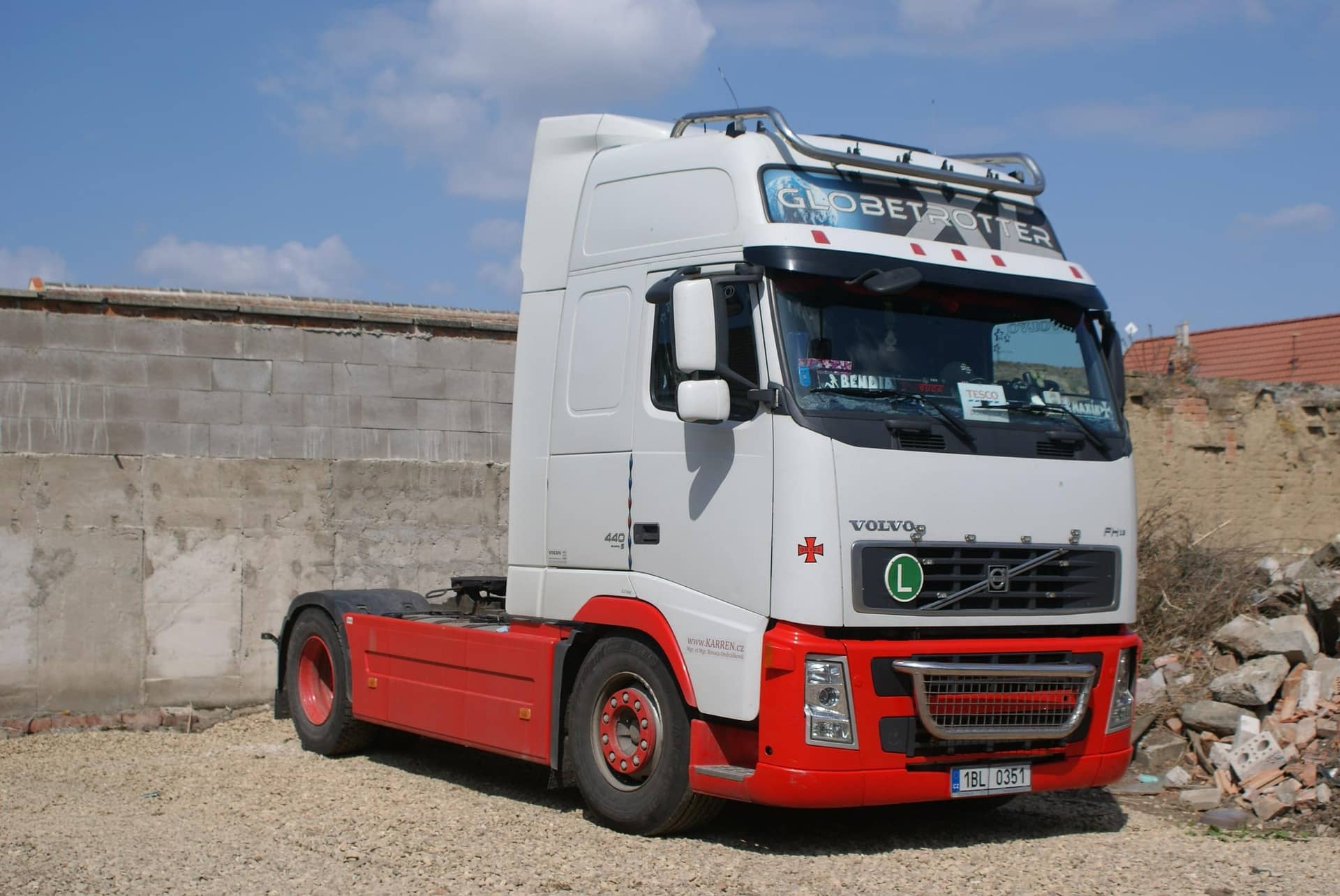
The Volvo I-Shift is an automated manual transmission (AMT) commonly found in Volvo trucks (VN, VNL, VNM series) and some Volvo buses. The most frequent I-Shift problems include harsh or delayed shifting, getting stuck in neutral, clutch actuator failure, solenoid malfunctions, grinding gears, and software-related shifting errors. Many of these issues stem from worn clutch components, faulty transmission control module (TCM) software, low-quality transmission fluid, or neglected maintenance intervals—rather than catastrophic internal transmission failure.
What Is the Volvo I-Shift Transmission and How Does It Work?
The Volvo I-Shift is a 12-speed automated manual transmission that uses an electronic clutch actuator instead of a traditional clutch pedal. It combines the fuel efficiency of a manual gearbox with the convenience of an automatic, but its complexity introduces unique failure points that traditional manuals and full automatics do not share.
Unlike a torque-converter automatic, the I-Shift physically engages and disengages a dry single-plate clutch using a computer-controlled actuator. The TCM reads inputs from engine RPM sensors, vehicle speed sensors, throttle position, and load data to determine shift timing. When any of these inputs degrade or the actuator wears out, the transmission behavior changes dramatically.
Key Components That Fail in the I-Shift
- Clutch Actuator – Electric motor-driven unit that physically moves the clutch fork. Prone to motor brush wear and position sensor failure.
- Transmission Control Module (TCM) – The brain of the system. Software bugs or corrupted updates cause erratic shift patterns.
- Shift Fork and Rail Assembly – Mechanical selector mechanism. Worn detents cause the transmission to slip out of gear.
- Solenoid Valves – Control air and hydraulic pressure for gear engagement. Sticking solenoids cause delayed or missed shifts.
- Input and Output Speed Sensors – Provide critical data to the TCM. Dirty or failing sensors trigger phantom fault codes.
Why Does My Volvo I-Shift Jerk or Shudder During Shifting?
Jerking and shudder during shifts is the single most common complaint from I-Shift owners and operators. In most cases, this points to a worn clutch disc, contaminated clutch surface, or a misadjusted clutch actuator—not a failing gearbox itself.
Cause 1: Worn or Glazed Clutch Disc
The I-Shift uses a dry clutch that wears just like a standard manual transmission clutch. When the friction material glazes over from heat cycling or aggressive driving, the clutch grabs inconsistently during engagement. You will feel this as a lurch or shudder at low speeds, especially when pulling away from a stop.
Fix: Inspect the clutch disc thickness with a diagnostic scanner that reads clutch wear percentage. Volvo’s OEM spec typically flags replacement at 90-100% wear.
Replace the clutch disc, pressure plate, and throw-out bearing as a kit. After replacement, the clutch must be re-learned through Volvo’s Tech Tool software—skipping this step guarantees continued shudder.
Cause 2: Clutch Actuator Misalignment
The actuator motor pushes the clutch fork through a defined stroke range. Over time, the actuator’s internal position sensor drifts, or the motor brushes wear, causing the TCM to misjudge clutch engagement depth. The result is an abrupt engagement that feels like someone dumped the clutch.
Fix: Connect Volvo Tech Tool and run the clutch actuator calibration procedure. If calibration fails repeatedly or the actuator motor draws excessive current during testing, replace the actuator assembly. This is a bolt-on job that takes approximately 2-3 hours in a shop with a transmission jack.
Cause 3: Contaminated or Incorrect Transmission Fluid
The I-Shift gearbox itself uses a specific gear oil, but the clutch actuator area and internal shift mechanisms rely on clean operating conditions. If the wrong gear oil viscosity is used or if the oil has not been changed at recommended intervals, internal synchronizer components degrade faster and cause notchy, jerky shifts.
Fix: Drain and refill with Volvo-recommended SAE 50 or SAE 75W-90 gear oil depending on your specific model and climate. Change every 300,000 miles or per Volvo’s severe-duty schedule if you haul heavy loads or operate in stop-and-go conditions.
Why Does My Volvo I-Shift Get Stuck in Neutral?
A transmission stuck in neutral typically indicates a shift fork detent failure, a broken range cylinder, or an electronic lockout triggered by a fault code. The TCM will prevent gear engagement as a protective measure when it detects an unsafe condition.
Cause 1: Shift Fork Detent Wear
Inside the I-Shift, spring-loaded detent balls hold the shift forks in their selected gear position. When these detents wear, the fork slides back to the neutral position under vibration or load. This is especially common on high-mileage VNL models with 500,000+ miles.
Fix: This requires transmission teardown. Replace the detent springs, balls, and shift fork rails.
While the transmission is apart, inspect the synchronizer rings and blocker rings for wear. Labor-intensive job—expect 12-16 hours of shop time.
Cause 2: Range Cylinder Failure
The I-Shift uses a range cylinder to switch between low and high range groups. If the range cylinder seals leak or the piston seizes, the transmission cannot complete the range shift and defaults to neutral as a safety response.
Fix: Replace the range cylinder assembly and all associated seals. Inspect the air supply lines running to the range cylinder for cracks or moisture intrusion, which is a common root cause of cylinder corrosion.
Cause 3: Electronic Fault Lockout
The TCM monitors dozens of parameters continuously. If it detects a sensor fault—such as a failed speed sensor, open circuit on the actuator, or communication loss with the engine ECM—it will lock the transmission in neutral to prevent damage.
Fix: Read fault codes with Volvo Tech Tool or a compatible J1939 diagnostic tool. Address the underlying sensor or wiring fault.
Clear the codes and attempt to re-engage a gear. If the lockout persists, check the wiring harness between the TCM and the transmission—rodent damage and chafing near the frame rail are common culprits.
Volvo I-Shift Warning Lights and Fault Codes Explained
When the I-Shift encounters a problem, the dashboard displays a gear icon warning light and may show specific fault codes. Understanding these codes saves diagnostic time and prevents unnecessary parts replacement.
Most Common I-Shift Fault Codes
| Fault Code | Description | Likely Cause |
|---|---|---|
| PPID 88 | Clutch actuator position error | Actuator motor failure or position sensor drift |
| PPID 89 | Clutch actuator current too high | Seized actuator motor or mechanical binding |
| SID 231 | J1939 communication error | Wiring harness damage, corroded connector pins, or faulty TCM |
| SID 42 | Shift actuator malfunction | Worn shift fork detent or failed range cylinder |
| PPID 38 | Input speed sensor fault | Damaged sensor, dirty tone ring, or wiring issue |
| PPID 39 | Output speed sensor fault | Sensor failure or excessive metallic debris on sensor tip |
How to Diagnose Volvo I-Shift Problems at Home
You do not need a dealer-level scan tool to perform initial I-Shift diagnostics. A J1939-compatible OBD tool and a systematic approach can narrow down the problem before you spend money at a shop.
Step-by-Step DIY Diagnostic Process
- Read Fault Codes – Connect a J1939 diagnostic tool to the 9-pin Deutsch connector under the dash. Record all active and pending codes.
- Check Clutch Wear Percentage – Use the scanner to read the clutch wear PID. If above 85%, plan for clutch replacement soon.
- Monitor Actuator Position – With the engine running and transmission warm, watch the actuator position sensor reading. It should move smoothly from 0 to full range without jumping or sticking.
- Inspect Wiring – Visually inspect the transmission wiring harness for chafing, heat damage, or rodent chewing. Pay close attention to the section near the exhaust.
- Check Air Supply – Verify that the air supply pressure to the transmission range and splitter cylinders reads above 90 PSI. Low air pressure causes delayed range shifts.
- Test Drive with Data Logging – Record engine RPM, road speed, current gear, and actuator position during a test drive. Erratic shifts will show up as sudden spikes or drops in the data log.
Volvo I-Shift Maintenance Schedule to Prevent Problems
Preventive maintenance is the cheapest way to avoid expensive I-Shift repairs. Volvo’s recommended intervals are a starting point, but severe-duty applications require more frequent service.
Recommended Service Intervals
- Gear Oil Change: Every 300,000 miles for normal duty, 150,000 miles for severe duty (construction, heavy haul, city delivery).
- Clutch Wear Inspection: Check clutch wear percentage via scanner every 50,000 miles starting at 200,000 miles.
- Software Updates: Check for TCM software revisions annually. Volvo frequently releases shift-calibration improvements.
- Actuator Inspection: Listen for unusual noise from the actuator during clutch engagement. Grinding or clicking sounds indicate impending motor failure.
- Wiring Harness Inspection: Inspect transmission harness routing and condition every 100,000 miles or during any service bay visit.
Model-Specific I-Shift Problems and Solutions
Volvo VNL (2007–2017)
The first-generation VNL with I-Shift is the most problematic year range. Early TCM software had aggressive shift strategies that accelerated clutch wear. Many 2007-2012 VNL trucks needed clutch replacement by 250,000 miles—far sooner than the expected 400,000-mile lifespan on later models.
Solution: Flash the TCM with the latest available software revision. Volvo released multiple updates between 2008 and 2014 that significantly improved clutch engagement smoothness and longevity. Combine the software update with a new clutch if wear exceeds 80%.
Volvo VNL (2018 and Newer)
The redesigned VNL uses an updated I-Shift with faster shift actuators and improved TCM logic. However, these newer models have shown a pattern of premature range cylinder seal failure, particularly in cold climates where moisture freezes inside the air supply system.
Solution: Install an inline air dryer or verify the existing air dryer system is functioning correctly. Replace the range cylinder seals with the updated Viton-material seals Volvo introduced in 2020. Add alcohol-based air system antifreeze during winter months in cold regions.
Volvo VNM Series
The VNM, commonly used in regional haul and vocational applications, experiences higher clutch wear rates due to frequent stop-and-go operation. Drivers report the most complaints about shudder in first and second gear during low-speed maneuvering.
Solution: Reduce low-speed clutch slip by using the I-Shift’s manual mode to hold gears longer before upshifting during city driving. If shudder persists, replace the clutch assembly and ensure the technician performs the full relearn procedure using Volvo Tech Tool.
How Much Does Volvo I-Shift Repair Cost?
Repair costs vary significantly depending on the specific failure and whether you use a dealer or an independent shop. Below is a realistic cost breakdown based on common repairs.
| Repair | Independent Shop Cost | Dealer Cost |
|---|---|---|
| Clutch Actuator Replacement | $800 – $1,200 | $1,400 – $2,000 |
| Full Clutch Kit Replacement | $2,500 – $3,500 | $4,000 – $5,500 |
| TCM Software Update | $150 – $300 | $200 – $400 |
| Range Cylinder Replacement | $600 – $900 | $1,000 – $1,500 |
| Speed Sensor Replacement | $200 – $400 | $350 – $600 |
| Complete Transmission Rebuild | $5,000 – $7,500 | $8,000 – $12,000 |
Frequently Asked Questions About Volvo I-Shift Transmission Problems
Can I drive my Volvo truck if the I-Shift is stuck in neutral?
If the transmission is electronically locked in neutral due to a fault code, you cannot drive the truck until the fault is resolved. However, some models allow a manual limp-home procedure—consult your specific model’s service manual. If the neutral condition is mechanical (detent failure), the truck is inoperable and needs towing.
How long should a Volvo I-Shift clutch last?
Under normal highway operation, an I-Shift clutch should last between 350,000 and 500,000 miles. Severe-duty applications, heavy loads, and mountain driving can reduce this to 200,000-300,000 miles. The driver’s habits have a significant impact—smooth throttle inputs extend clutch life considerably.
Is the Volvo I-Shift better than an Eaton AutoShift or Allison automatic?
The I-Shift generally offers better fuel economy than a traditional automatic and smoother operation than the older Eaton AutoShift. However, the Allison automatic is more durable in severe stop-and-go vocational applications. The best choice depends on your specific duty cycle and operating conditions.
Can I upgrade my Volvo I-Shift software myself?
No. TCM software updates require Volvo Tech Tool, which is dealer-level software.
You can have an independent shop with Tech Tool access perform the update at a lower cost than the dealer. Some fleet maintenance providers also have the necessary software and subscriptions.
Why does my I-Shift make a grinding noise when downshifting?
Grinding during downshifts usually indicates worn synchronizer rings inside the gearbox. The I-Shift relies on the TCM to match speeds before engagement, but when synchronizers are worn, the speed-matching window becomes too narrow and gears clash. This requires internal transmission repair—continued driving will cause further damage to the gear teeth.
Takeaway: Address I-Shift Problems Early to Avoid Catastrophic Costs
The Volvo I-Shift is a capable and efficient transmission when properly maintained, but it punishes neglect. Most of the expensive repairs—full clutch replacements, transmission rebuilds, actuator failures—start as minor issues that were ignored for thousands of miles. Monitor your clutch wear percentage, keep up with fluid changes, and address fault codes the moment they appear.
A $300 actuator calibration today prevents a $4,000 clutch job next month. Stay ahead of the maintenance curve and the I-Shift will serve you well for the long haul.
Leave a Reply