
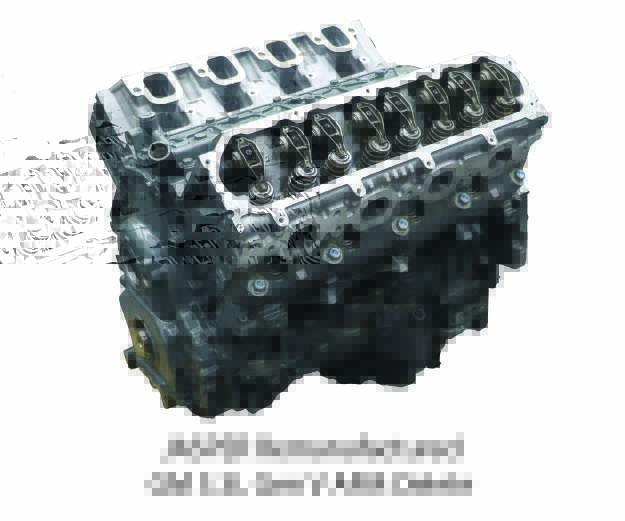
An AFM delete is worth it for most GM truck and SUV owners facing repeated lifter failures, as it eliminates the root cause of expensive engine damage while restoring consistent performance.
Why Do GM Owners Search for AFM Delete Information?
Active Fuel Management systems in 5.3L, 6.0L, and 6.2L GM engines deactivate cylinders under light load to improve fuel economy, but this design creates well-documented reliability issues.
Owners report lifter collapse, camshaft lobe damage, and oil pressure loss after 60,000 to 120,000 miles.
Real-world diagnostics from independent shops show that AFM-related failures account for a large percentage of engine repairs on 2007-2019 Silverado, Sierra, Tahoe, and Suburban models.
Common Symptoms That Lead to AFM Delete Decisions
- ➤ Ticking or knocking noise from the valve train that worsens when AFM engages.
- ➤ Check engine lights with codes P0300, P050D, or misfire data on cylinders 1, 4, 6, or 7.
- ➤ Oil consumption and low oil pressure readings during highway driving.
- ➤ Failed AFM lifters discovered during routine cam phaser or timing chain work.
What Are the Real Benefits of an AFM Delete?
An AFM delete removes the cylinder deactivation hardware and replaces it with conventional components, preventing the lifter collapse that occurs when AFM solenoids fail to control oil pressure properly.
This modification restores full-time eight-cylinder operation and eliminates the weak link in the valvetrain.
Many owners report smoother power delivery and the ability to use thicker oil without AFM-related restrictions.
Long-Term Reliability Gains
After an AFM delete, engines typically reach higher mileage without cam or lifter replacement.
Shops that perform these deletes regularly note that customers return far less often for valvetrain repairs compared to vehicles left with factory AFM components.
The delete also allows installation of performance cams without AFM compatibility concerns.
How Much Does an AFM Delete Actually Cost?
Professional AFM deletes range from $2,800 to $4,500 depending on parts quality and labor rates.
This price includes a non-AFM camshaft, set of eight conventional lifters, valley cover with block-off plate, and tuning to disable AFM operation.
Independent shops often quote lower than dealerships because they use aftermarket kits rather than OEM replacements that retain the problematic system.
| Component / Service | Estimated Cost Range |
|---|---|
| Non-AFM camshaft and lifters | $650 – $1,100 |
| Valley cover and gaskets | $180 – $280 |
| Tuning and dyno time | $350 – $600 |
| Labor (12-18 hours) | $1,200 – $2,000 |
Step-by-Step AFM Delete Process for DIY Mechanics
Performing an AFM delete requires engine disassembly and precise timing procedures.
Only attempt this if you have experience with GM LS or L83/L86 engines and proper tools including a camshaft installation tool and torque angle gauge.
Preparation and Parts Selection
- Confirm your engine uses AFM by checking for the solenoid pack in the valley cover.
- Select a delete kit with a proven non-AFM cam grind matched to your vehicle use.
- Gather new lifters, a valley cover block-off plate, and fresh gaskets.
- Obtain a custom tune or handheld device that disables AFM and adjusts fuel trims.
Removal and Installation Steps
- Drain oil and remove the intake manifold to access the valley cover.
- Remove the AFM solenoid pack and replace the valley cover with the block-off plate.
- Rotate the engine to top dead center and remove the timing chain and cam phaser.
- Extract the old AFM camshaft using an installation tool to avoid bearing damage.
- Install the new non-AFM camshaft, ensuring proper journal lubrication.
- Replace all lifters with conventional units and reinstall the valvetrain.
- Reassemble timing components and verify cam timing with a degree wheel.
- Refill with quality oil and filter, then perform the custom tune.
Will an AFM Delete Affect Fuel Economy or Legality?
Expect a 1-3 MPG reduction in mixed driving because the engine no longer deactivates cylinders.
Highway mileage drops less than city mileage.
The modification remains legal for off-road or track use in most states, but it may affect emissions compliance in areas requiring OBD-II testing.
Professional tuners can often maintain passing status by adjusting only the AFM parameters without altering catalyst efficiency codes.
Are There Viable Alternatives to a Full AFM Delete?
Some owners try range disabling devices or oil catch cans to extend AFM life, but these only mask symptoms.
Range technology devices can reduce but not eliminate lifter failures.
Full delete remains the only permanent solution once AFM lifters have begun to collapse.
For vehicles still under warranty, some owners delay the delete until after coverage ends to avoid detection.
FAQ
Can I drive with a failing AFM lifter until I can afford a delete?
Continued driving with collapsed lifters often destroys the camshaft and requires a complete engine rebuild, making early diagnosis and planning essential.
Does an AFM delete require a new exhaust system?
No, but many owners add long-tube headers and a performance exhaust at the same time because the engine now runs on all cylinders continuously.
How long does an AFM delete typically last?
When performed with quality parts and proper tuning, the repair lasts the remaining life of the engine without recurrence of AFM-related failures.
Will my truck still pass emissions after an AFM delete?
Emissions compliance depends on your local regulations and whether the tuner leaves catalyst and oxygen sensor monitors active.
Is it better to delete AFM or replace it with OEM parts?
Replacing with OEM AFM components usually leads to repeat failures within 30,000-50,000 miles, making the delete the more cost-effective long-term choice.
Owners who complete an AFM delete gain peace of mind and avoid the cycle of expensive repairs that plague unmodified GM engines.
The upfront investment protects against sudden engine damage and restores the reliability these powertrains were originally capable of delivering.
Proper planning, quality parts, and professional tuning ensure the modification delivers lasting results without creating new issues.
Leave a Reply