
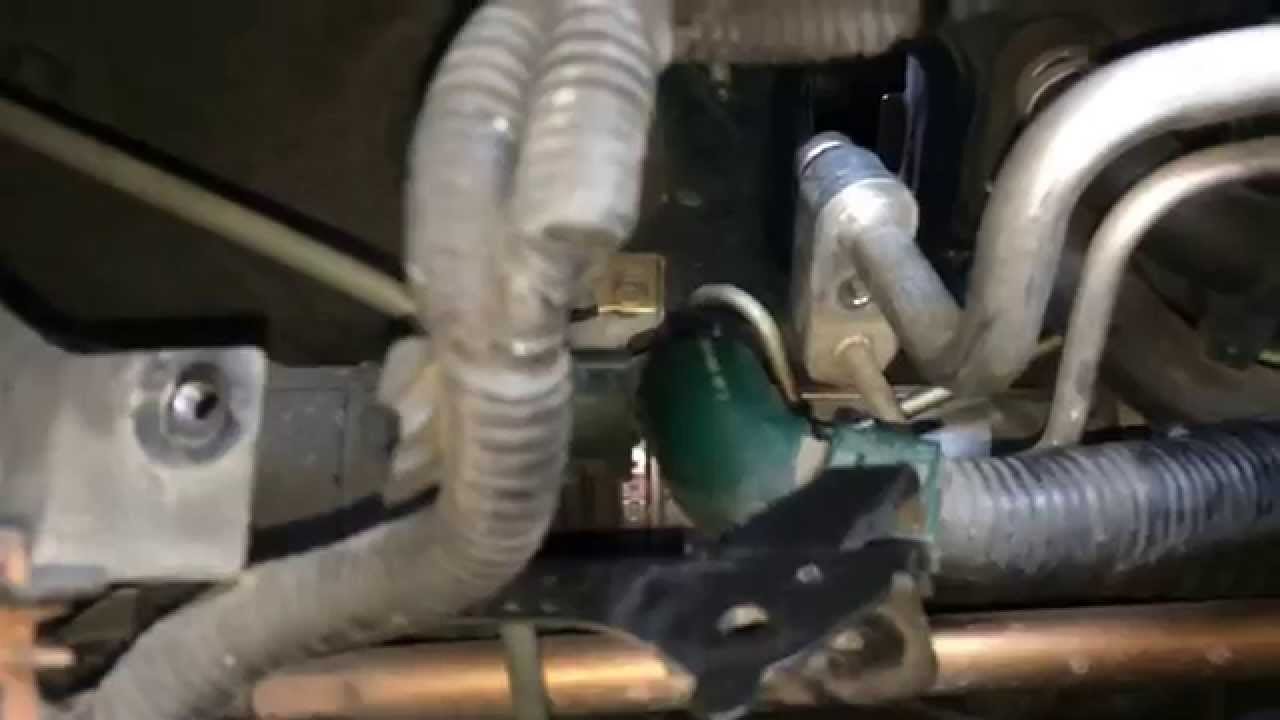
The most common Honda Civic AC problems are a faulty AC compressor, a leaking condenser, a failing blend door actuator, or a refrigerant leak. Diagnosis requires checking for power at the compressor clutch, inspecting the condenser for rock damage, and listening for clicking sounds behind the dash.
Why is my Honda Civic AC not blowing cold air?
A Honda Civic AC that stops blowing cold is almost always due to a refrigerant leak or a failed compressor. Modern Civics, especially 2016 and newer with the 1.5T engine, are notorious for condenser leaks from road debris.
Before assuming the worst, the system must be properly evacuated and recharged to identify the exact point of failure.
1. Failed AC Compressor Clutch or Coil
The compressor clutch can fail electrically or mechanically. If the clutch coil burns out, it won’t engage even with full refrigerant.
A simple test is to use a voltmeter at the compressor connector; if it has ~12V with the AC on, the clutch or compressor itself is dead.
2. Leaking AC Condenser
This is the single most common point of failure on 10th and 11th generation Civics (2016-2024). The condenser sits directly behind the front grille with minimal protection.
A small rock can puncture it, causing a rapid loss of all refrigerant.
- Symptom: AC worked fine yesterday, blows warm today.
- Diagnosis: Visual inspection for oily residue on the condenser fins or a UV dye test.
- Fix: Replace the condenser. Using a sealant is a temporary fix that will clog the system.
3. Refrigerant Leak from O-rings or Hoses
Over time, the rubber O-rings at hose connections can shrink and leak. The Schrader valve cores on the service ports are also common leak points after repeated testing.
A shop can perform a dye test or use an electronic sniffer to pinpoint these small leaks.
Why is my Honda Civic AC airflow weak from the vents?
Weak airflow, even when the fan is on high, is typically caused by a clogged cabin air filter or, more seriously, a failing blower motor resistor or the motor itself. A completely blocked filter starves the system of air.
1. Cabin Air Filter Obstruction
The cabin filter in a Honda Civic is behind the glove box. If it’s packed with leaves, dust, and debris, airflow will be drastically reduced.
This is the first and easiest thing to check and replace.
2. Faulty Blower Motor Resistor
If the fan only works on the highest speed setting (or only on low), the blower motor resistor has failed. This small component is usually located near the blower motor itself.
It’s a common failure point on many Honda models.
3. Dying Blower Motor
A blower motor on its way out will produce a whining or squealing noise and move air very weakly. Sometimes tapping on the motor casing (under the passenger dash) temporarily restores function, confirming the diagnosis.
Why does my Honda Civic AC make a clicking or buzzing noise?
Clicking or buzzing noises from the dash or engine bay when the AC is on indicate a mechanical issue. The most common culprits are a failing compressor clutch, a worn compressor bearing, or debris in the blower motor fan.
1. AC Compressor Clutch Cycling Rapidly
If the clutch engages and disengages rapidly every few seconds with a noticeable click, the system is likely low on refrigerant. The low-pressure switch is cycling the compressor on and off to prevent damage.
This points directly to a leak.
2. Worn Compressor Bearing
A steady grinding or whining noise from the engine that changes with RPM, even when the AC clutch is disengaged, often means the compressor’s front bearing is failing. It requires compressor replacement.
3. Blend Door Actuator Failure (Very Common)
A rapid clicking or ticking sound behind the dashboard, especially when changing temperature settings, is the hallmark of a broken blend door actuator. This small electric motor controls the air temperature mix and is a widespread issue on Civics from 2006 onward.
- Sound: “Click-click-click” from behind the glove box or center dash.
- Symptom: Air is stuck on cold or hot, or temperature changes erratically.
- Fix: Replace the actuator. It’s a DIY-able job but requires patience in tight spaces.
Honda Civic AC Repair Cost Estimates by Model Generation
Costs can vary widely between a dealership and an independent shop. Here are rough parts and labor estimates for common repairs.
Frequently Asked Questions About Honda Civic AC Issues
Can I use a DIY AC recharge kit from an auto parts store?
It’s risky. These kits often contain sealants that can permanently clog your AC system’s tiny passages and damage the compressor. A proper repair requires finding and fixing the leak first.
The DIY recharge may work temporarily but often leads to a much more expensive repair down the line.
How often should the AC compressor be replaced on a Civic?
There’s no set schedule. The compressor is designed to last the life of the car. It fails due to leaks causing low refrigerant (which starves it of oil), physical damage, or electrical failure of the clutch coil.
With proper maintenance, many last over 150,000 miles.
Why does my Civic AC smell like mildew when first turned on?
This is caused by mold and bacteria growing on the evaporator core. Moisture condenses on the cold evaporator, and if it doesn’t fully drain, it creates a damp environment for mold.
Using the “recirculate” mode less and running the fan for a minute after turning off the AC can help dry it out. An antibacterial treatment may be needed.
My Civic’s AC blows cold on the highway but warm in city traffic. What’s wrong?
This classic symptom often points to a faulty or dirty condenser fan, or an issue with the cooling fan relay. When driving, natural airflow through the condenser is sufficient.
In stop-and-go traffic, the electric fan must turn on to move air. If it doesn’t, the refrigerant pressure gets too high, and a safety switch disables the compressor.
Is it safe to drive my Civic with the AC not working?
Yes, the AC system is independent from the engine and other safety systems. Driving with a non-functional AC compressor clutch is fine.
However, if the compressor is seized and the drive belt is slipping or squealing, the belt should be removed or replaced to prevent it from breaking and leaving you stranded.
Final Verdict: Diagnose Before You Pay
Before authorizing an expensive compressor replacement at the dealer, get a second opinion from a reputable independent shop that specializes in AC work. Ask them to perform a leak test with dye and show you the exact failure point.
For common issues like a condenser rock strike or a clicking blend door actuator, you can often save 40-60% by purchasing quality aftermarket parts and either doing the work yourself or providing the parts to your mechanic. Understanding these common failure points puts you in control of the repair process and prevents overquoting.
Leave a Reply