
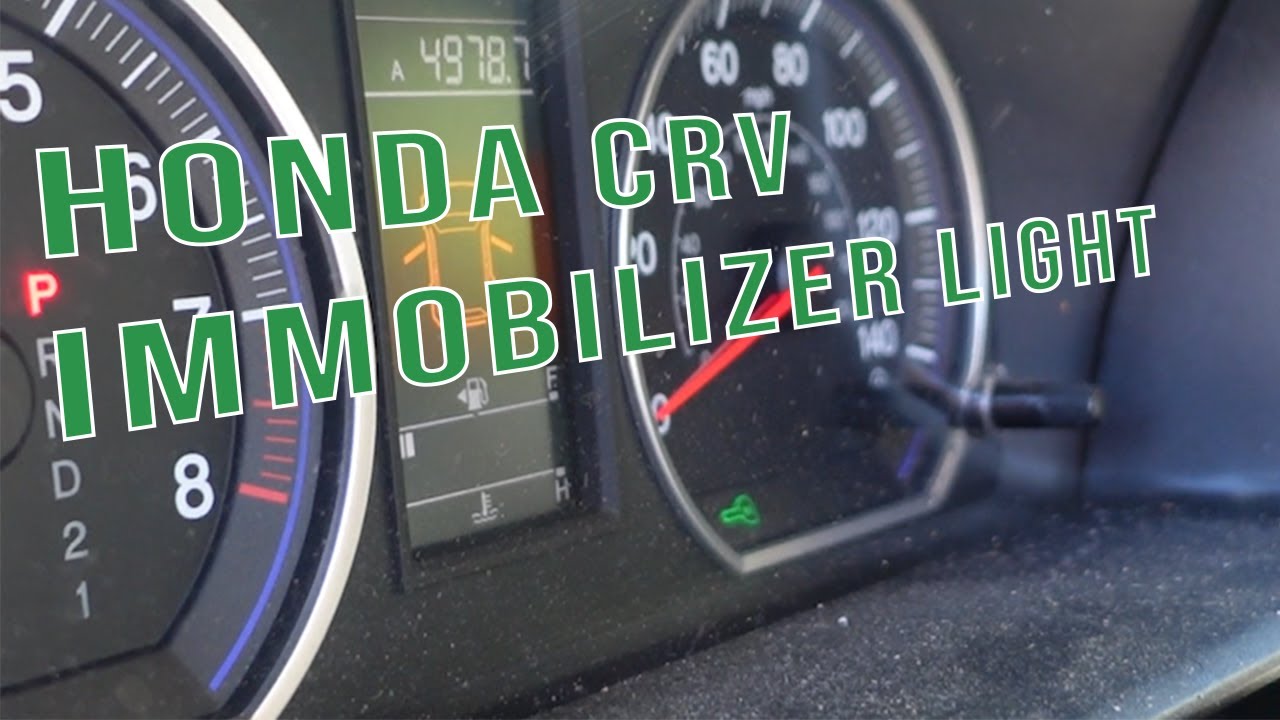
If your Honda CR-V won’t start and the immobilizer light is flashing, the most common fix is a simple system reset. First, lock and unlock the driver’s door with the physical key, then try starting the engine. This often clears a temporary security glitch without a dealership visit.
Why does my Honda CR-V immobilizer light come on and prevent starting?
The immobilizer light indicates the system isn’t recognizing your key. This security feature disables the fuel and ignition system to prevent theft if an unauthorized key is used. The root cause is almost always a communication failure between the key transponder and the vehicle’s receiver.
📌 Common Causes for the Immobilizer Warning
- 🔑 Weak Key Fob Battery: This is the number one cause. A dying battery in the key fob can prevent the transponder chip from getting enough power to send its signal.
- ⚠️ Damaged Key Transponder: The tiny chip inside the key fob can fail from physical damage, moisture, or age.
- 📡 Faulty Immobilizer Receiver: The antenna ring around the ignition switch that reads the key can malfunction or have a wiring issue.
- 💻 ECU/Immobilizer Module Glitch: A software bug in the vehicle’s computer can lose the programmed key memory, especially after a battery disconnect or jump start.
- 📱 Aftermarket Electronic Interference: Poorly installed dash cams, alarms, or other electronics can create signal noise that disrupts the key’s communication.
How do I reset the Honda CR-V immobilizer system myself?
A basic reset often resolves minor electronic glitches. This procedure forces the vehicle’s security system to re-synchronize. You will need all master keys for the vehicle for the most effective reset.
🔧 Method 1: The Key Cycle Reset (Most Common Fix)
- Exit the vehicle and close all doors, trunk, and hood.
- Using the physical metal key blade (not the remote), lock the driver’s door manually by turning the key in the door lock.
- Wait 30 seconds.
- Unlock the driver’s door with the same physical key.
- Insert the key fob into the ignition (for models with a slot) or place it near the start button.
- Without pressing the brake pedal (for push-button start), press the “Start” button once to put the vehicle in accessory mode. You should see the dash lights come on.
- Let it sit in accessory mode for about 10 minutes until the immobilizer light on the dash stops flashing or goes out.
- Press the “Start” button again to turn it off.
- Now, press the brake and start the engine normally.
🔌 Method 2: Battery Disconnect Reset
- Safely disconnect the negative (-) terminal of the vehicle’s battery.
- Turn the headlight switch to “On” and press the horn a few times to drain any residual power in the system.
- Wait for at least 10-15 minutes.
- Reconnect the negative battery terminal securely.
- Attempt to start the vehicle. The engine may crank slowly at first as systems reinitialize.
- Important Note: This reset will clear radio presets and may require the power window and sunroof to be re-initialized (hold the switch up/down for a few seconds after full travel).
What are the specific solutions for different CR-V model years?
Immobilizer systems evolved significantly across generations. Solutions must match the specific system design of your model year.
🚗 For 2012-2016 CR-V (4th Generation)
These models often use a slot-style key ignition. A common failure point is the key cylinder assembly itself.
If the reset fails, try gently wiggling the key while turning it to the “On” position. Sometimes, the receiver ring just needs better contact.
🚙 For 2017-2022 CR-V (5th Generation with Push-Button Start)
The key fob placement is critical. The official spot is in the center console tray or near the start button, but weak signals may require holding the fob directly against the start button while pressing it. After a battery replacement, a full reprogramming with a diagnostic tool is often necessary.
🏎️ For 2023+ CR-V (6th Generation)
Newer models have more integrated security. If the simple reset fails, the issue is likely a physical key fob failure or a deeper module fault that requires a Honda-specific scan tool (like the HDS or i-HDS) to read security codes and reprogram keys.
When should I replace the key fob battery versus the entire key?
Always start with the cheapest fix: replacing the key fob battery. Use a high-quality CR2032 battery. If a new battery doesn’t solve the problem and you have only one key, you should purchase and program a second key as a diagnostic step.
🔁 Signs You Need a New Key Fob Entirely
- ✗ The key works intermittently even with a fresh battery.
- ✗ Physical damage to the fob, especially cracks near the transponder chip.
- ✗ You only have one key, and it’s failing (a second key is a diagnostic tool and essential backup).
- ✗ The key was submerged in water for an extended period.
🔧 Pro Tip from the Garage: Never throw away a malfunctioning Honda key. Its transponder chip can sometimes be used to program a new key, saving you the cost of a “virgin” key from the dealer.
How much does a professional Honda CR-V immobilizer repair cost?
Costs vary wildly based on the actual fault. Dealerships often default to the most expensive fix first. A knowledgeable independent shop can save you hundreds.
Important: If the dealer says the entire “immobilizer module” or “security control unit” needs replacement for over $1000, get a second opinion. Often, the issue is just the ignition receiver antenna ring, which is a much cheaper part.
Frequently Asked Questions
❓ Can a jump start damage my Honda CR-V’s immobilizer system?
Yes, voltage spikes from a jump start can corrupt the electronic module’s memory or cause a software glitch. If your immobilizer issue started right after a jump, a battery disconnect reset is your first and most effective step.
❓ Why does my Honda CR-V start sometimes but not others?
Intermittent operation almost always points to a failing key fob battery or a loose connection in the key’s internal transponder chip. Replace the battery first. If the problem persists, the key itself is likely failing and needs replacement.
❓ Do I need to go to the dealership to reprogram a Honda key?
For full programming of a new key when all keys are lost, yes, a dealership or a very well-equipped independent shop with Honda-specific diagnostic software is required. However, if you have one working key, you can often program a second key yourself by following the manual’s on-board programming procedure.
❓ Will disconnecting the battery erase my key programming?
On most modern Hondas, no. The key codes are stored in non-volatile memory. However, the system can experience a temporary “confusion” that requires the re-synchronization reset procedure outlined above.
Final Diagnostic Steps Before Seeking Professional Help
Before spending money at a shop, run through this checklist. It covers 90% of cases and can provide you with critical information for the technician.
- Test All Keys: Try every key fob you own. If one works and one doesn’t, the problem is the non-working key.
- Perform the Key Cycle Reset as described earlier.
- Check for Aftermarket Add-ons: Temporarily disable or unplug any non-factory electronics, especially near the steering column.
- Inspect the Key: Look for cracks, swelling, or signs of water damage on the fob.
- Note the Exact Behavior: Does the engine crank but not fire? Does it not crank at all? Does the immobilizer light flash rapidly or stay solid? Tell this to your mechanic.
Armed with this information, you can avoid unnecessary parts replacements and ensure the repair is done correctly the first time.
Leave a Reply